

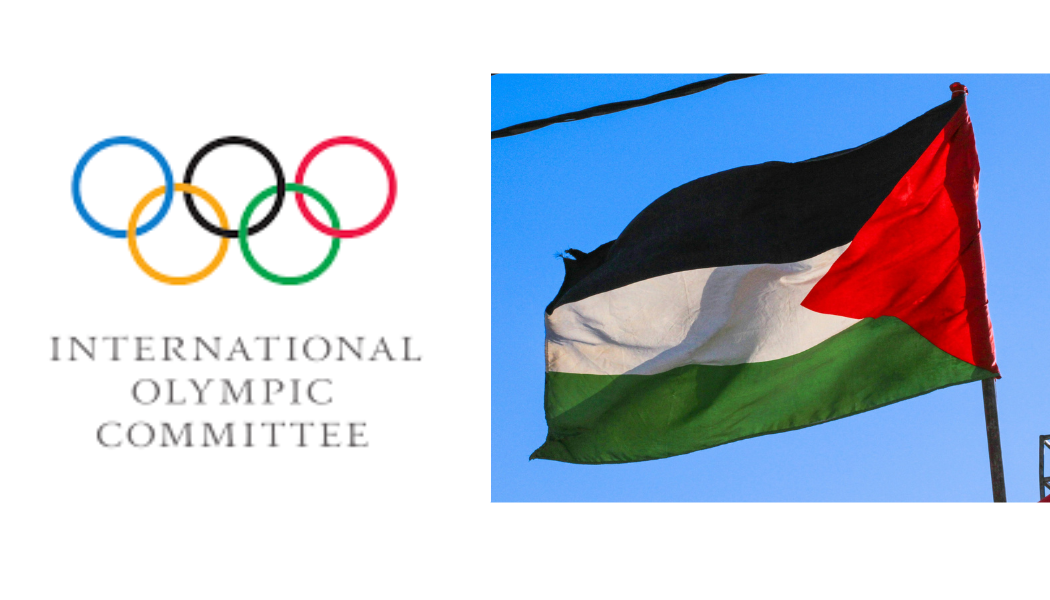
In October, the International Olympic Committee (IOC) announced a new scholarship program aimed at supporting Palestinian athletes as they prepare for upcoming continental and global competitions. The initiative, coordinated with the Palestinian National Olympic Committee, signals a renewed effort by the IOC to use its Olympic Solidarity arm to bolster sporting development in regions facing hardship.
According to official statements, about 50 Palestinian athletes will be selected for these scholarships. The focus is on helping them prepare for several events: the 2025 Asian Youth Games (in Bahrain), the 2026 Youth Olympic Games in Dakar, the 2026 Asian Games in Aichi-Nagoya and the 2028 Los Angeles Olympics. The IOC identified qualifying for the Los Angeles Games as a central objective, noting that, historically, fewer than 10 Palestinian athletes compete at the Olympics.
The scholarships will be granted through the IOC’s Olympic Solidarity fund, a program designed to assist National Olympic Committees (NOCs) with athlete development, coaching, training and other support. As part of the agreement reached in Lausanne at Olympic House, the IOC and the Palestinian NOC committed to allocating these resources to ensure Palestinian athletes receive structured training and financial backing.
The move comes amidst a backdrop of conflict, damaged infrastructure and limited resources within Palestinian territories. In recent years, many sports facilities in Gaza have been destroyed or rendered unusable. Because of these constraints, many athletes must train abroad or rely on external support just to maintain basic preparation.
Another aspect is the use of wildcard entries (also known as university slots) by the IOC, which are granted to ensure broad global representation at the Olympics. Some Palestinian athletes have depended on wildcards in past games because they lacked the necessary infrastructure and competitive access to qualify outright. The new scholarships may reduce that dependence by giving athletes more consistent support.
IOC President Kirsty Coventry underscored the continental and moral dimensions of this effort, stating that the IOC continues to “stand in solidarity with the Olympic community in the region” and hopes that diplomatic developments may pave a “pathway to peace.”
The IOC also reaffirmed that neither the Israeli nor the Palestinian Olympic Committees have breached the Olympic Charter and therefore neither is under threat of sanction. Though calls have arisen from national sports bodies (e.g. Norway’s football federation) to ban Israel over the conflict, the IOC has resisted pressure, insisting that political disputes should not be addressed via exclusion from sport.
While the scholarship program is a significant gesture, its real impact depends on execution. Covering costs, facilitating travel and arranging access to high-quality coaching and competition are all nontrivial challenges under current conditions. The destruction of local sports facilities, especially in Gaza, means that many athletes will still require training abroad or in safer areas.
Another factor is selection: only about 50 athletes will benefit and the process by which they are chosen has not been fully disclosed. Ensuring equitable access, gender balance, representation from various regions and inclusion of athletes displaced by conflict will be key to the program’s legitimacy.
Yet the move aligns with earlier IOC support for what is termed the “Palestinian Sports Revival Plan,” a strategy for rebuilding destroyed sports infrastructure. The IOC has committed to helping coordinate international funding to reconstruct facilities, although progress has been slow amid ongoing violence and resource constraints.
By deploying scholarships through the Olympic Solidarity program, the IOC is attempting to back its rhetoric with concrete support. The initiative is modest in scope, but in a region marked by conflict and disruption, even limited assistance can make a difference in keeping young athletes in training and giving them a shot at competing on the world stage.
Whether the program ultimately produces qualifiers for LA 2028 or helps rebuild a stronger sports ecosystem in Palestine will depend on many variables beyond the IOC’s control. But as a signal of continued institutional support, it is among the more substantive efforts to bridge sport and solidarity in a fragile context.