

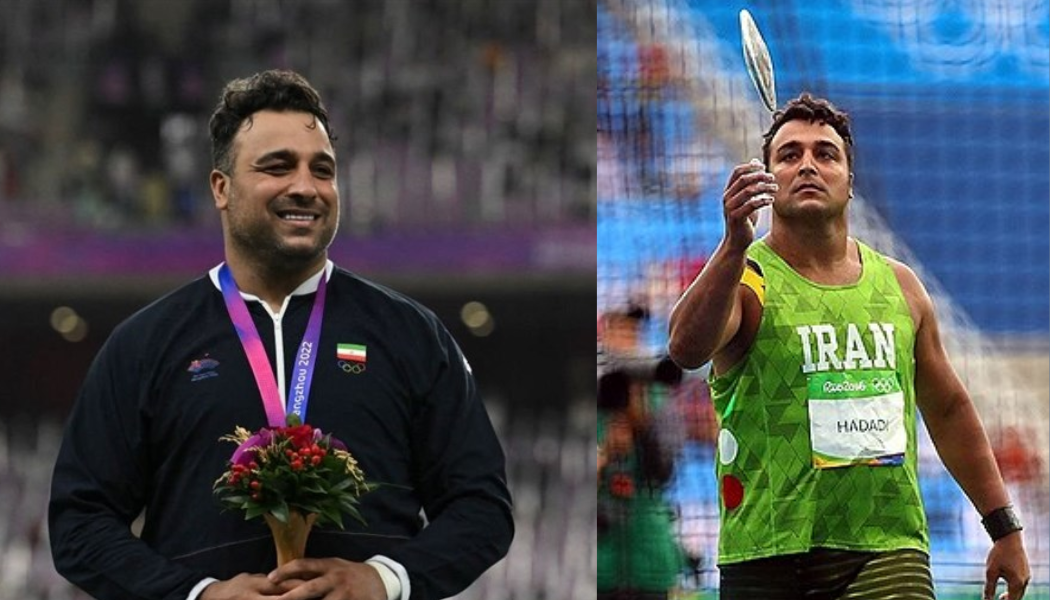
During the May Asian Athletics Championships in Gumi, South Korea, two Iranian athletes and a national team coach were arrested for the alleged sexual assault of a 20-year-old South Korean woman. The case attracted wide attention across Asia, sparking debate about the obligations of national federations when their representatives face criminal accusations abroad.
According to the Gumi Police Department, the incident occurred on May 31 at a hotel used by the Iranian delegation during the tournament. The woman reported that she was taken to the hotel after meeting one of the athletes at a nearby bar and was then sexually assaulted by multiple men. Officers detained three members of the Iranian delegation shortly after receiving the complaint. The individuals were identified by South Korean media as athletes Hossein Rasouli and Masouds Kamran, along with their coach, Amir Moradi. Local prosecutors later added a fourth suspect, another athlete, who allegedly acted as a lookout during the incident.
Prosecutors in the Gaegu District officially charged the group in July under Articles 297 and 298 of South Korea’s Criminal Act, which govern rape and forcible molestation. The indictment was based on forensic evidence, witness testimony and security footage recovered from the hotel. Because the allied crime took place on South Korean soil, the defendants fall entirely under Korean jurisdiction, regardless of their nationality or diplomatic affiliation. The Daegu Prosecutors’ Office has stated that the trial will proceed under ordinary criminal procedure without any special diplomatic privileges.
Iranian media initially questioned the allegations, suggesting that inconsistencies in the complainant’s statement might weaken the prosecution’s case. However, South Korean prosecutors have not withdrawn the charges and local authorities have rejected calls for the case to be transferred to Iranian jurisdiction. The Iranian Athletics Federation has since acknowledged “inappropriate behaviour” by members of its delegation, while denying the most serious accusations. The Federation has announced that internal disciplinary action will follow pending the court’s decision.
Domestically, the Iranian government’s handling of the situation has been closely scrutinized. Iran’s Minister of Sports was summoned before the Majles (Iran’s equivalent to parliament) to address allegations of oversight failure and several commentators in Iranian media called for stricter supervision of athletes representing the nation abroad. The case has also reignited debate within Iranian sporting circles over codes of conduct and training for athletes participating in international competitions.
In South Korea, the case has prompted widespread public discussion about the protection of victims and the role of law enforcement in maintaining integrity during large-scale sporting events. Civil society groups have urged the authorities to ensure transparency and resist any diplomatic pressure that could influence the outcome of the trial. Korean legal analysts have noted that the country’s courts have historically applied a strict standard to foreign nationals accused of sexual violence and that this case will likely test the resilience of those principles in a high-profile, politically sensitive context.
The case raises concerns about sport and accountability. When national delegations compete internationally, their actions inevitably reflect on their country’s reputation and the governance of sport itself. Allegations of this gravity threaten not only the careers of those involved but also the credibility of the institutions that oversee them. The ongoing proceedings in Daegu will therefore have implications far beyond athletics, potentially shaping how future international tournaments balance sporting cooperation with respect for domestic legal sovereignty.
As the trial advances, both the South Korean judiciary and Iran’s sporting establishment face intense scrutiny. The case highlights the complexity of enforcing criminal law within the globalized sphere of sport — where ethical responsibility, international image and national pride converge under the weight of judicial process.