

After being discontinued in the late 1990s, World Athletics became the first Olympic-governed sport to reinstate mandatory sex verification procedures. Under the current framework, athletes competing in women’s events must undergo sex screening at least once in their careers. The organization has framed the policy as a measure intended to protect “the integrity of competition,” reviving a longstanding and contentious debate at the intersection of sport, biology and human rights.
Ahead of major championships, World Athletics has stated its intention to screen every female athlete, though implementation has been uneven. Lord Sebastian Coe, president of World Athletics, has acknowledged that the timeline for full compliance has been “tight,” noting that the process has been complicated by national laws that prohibit genetic testing for non-medical purposes. Countries such as France and Norway restrict DNA-based procedures without medical justification, forcing some athletes to travel abroad to provide samples. This legal patchwork has contributed to delays and raised questions about the consistency of the testing regime.
The reinstated procedure looks for the presence of the Y chromosome, and more specifically, the sex-determining region Y (SRY) gene. The SRY gene typically initiates the development of testes in embryos with XY chromosomes, triggering testosterone exposure during puberty. This physiological pathway is cited by World Athletics as a basis for distinguishing performance relevant characteristics, arguing that individuals who have undergone male puberty possess advantages in muscle mass, strength and hemoglobin capacity, compared to athletes with XX chromosomes who have not experienced such hormonal development. This policy therefore focuses on athletes with 46 XY differences in sex development (DSD), some of whom may have atypical reproductive anatomy or hormonal profiles while being raised and competing as girls and women.
World Athletics has acknowledged that a positive test may occur in cases of both diagnosed and undiagnosed XY DSD conditions. This acknowledgement reflects the medical complexity surrounding sex development, where chromosomal, gonadal and anatomical markers do not always align. Yet for affected athletes, the consequences are not abstract; they are immediate, deeply personal and often career altering.
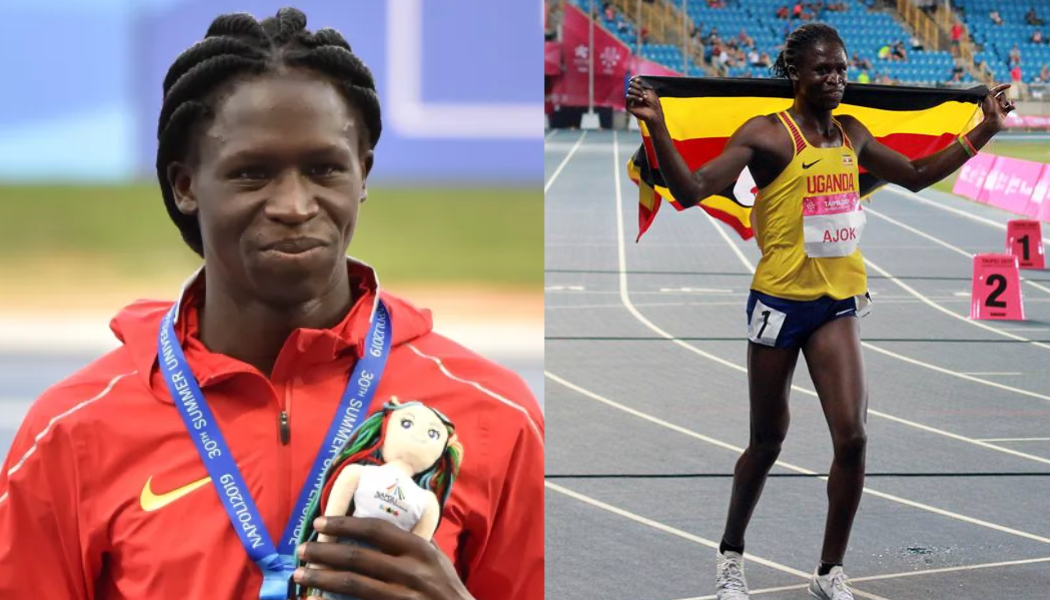
Ugandan middle-distance runner Docus Ajok is one of the athletes whose career trajectory was disrupted by the policy. Ajoke, a consistent national representative who competed at the Commonwealth Games, World University Games and World Athletics Championship, reported being barred from the competitions following the introduction of the revised regulations. “They started coming out with rules, regulations proposing medical steps,” she told CNN, describing a process that left her confused, sidelined and unable to continue in the sport she had represented for over a decade.
Kenyan sprinter Maximila Imali experienced similarly devastating consequences. After years of competing internationally, she found herself excluded under the new rules. “That was the end of my career,” Imali explained. “I have no one fighting for me. My country has simply abandoned me. I’m no longer the person who once lifted the nation; I’ve been pushed into the past.”
Athlete rights advocates argue that the testing framework exposes competitors to public speculation and media intrusion. Mitra, an advocate who spoke to CNN, emphasized that repeated instances of athletes being abruptly “outed” sometimes before receiving the full medical information themselves. This has caused psychological harm and long-term stigma. As she noted, the emphasis on the SRY gene means that more athletes will inevitably enter the system, increasing the likelihood of similar harms.
The experiences of Ajok, Imali and others reveal the profound emotional, physical and social consequences that follow exclusion based on biological markers alone. As more athletes undergo SRY based screening, governing bodies face intensifying pressures to refine their protocols and uphold standards of dignity and confidentiality.