

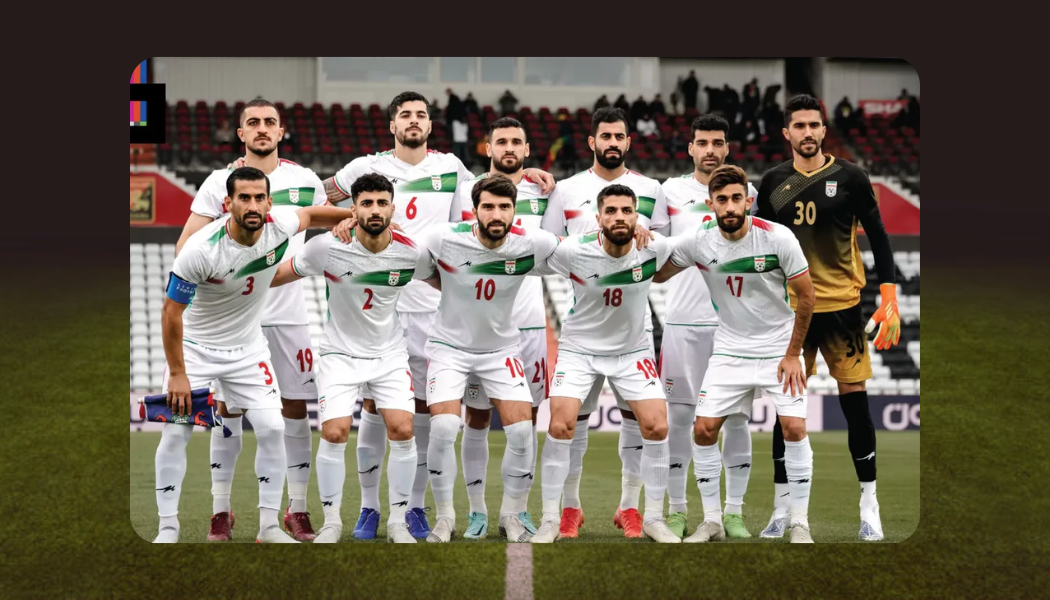
The United States has refused entry visas to several members of the Iranian delegation scheduled to attend the draw for the 2026 FIFA World Cup, a move that prompted the Iran Football Federation (FFIRI) to initially boycott the event.
According to FFIRI officials, the U.S. denied visas to several senior delegates, including the federation’s president, Mehdi Taj, citing what Tehran described as “restrictions unrelated to sport.” The visa refusals reportedly affected five members of a nine-member delegation who applied to attend the draw ceremony in Washington, D.C. on Dec. 5.
The decision has stirred controversy, because under U.S. policy — including exemptions tied to the 2025 travel restrictions under Proclamation 10949 — athletes, coaches and necessary support personnel travelling for major sporting events are allowed entry. According to FFIRI, the visa denials “have nothing to do with sport,” a phrasing that underlines Tehran’s view that the move was political.
In response, the federation sent a formal notification to the tournament’s governing body, FIFA, stating the affected officials would not attend the draw. An FFIRI spokesman argued that the U.S. decision undermined the spirit of sporting cooperation and violated the assurances given for the World Cup.
Eyebrows were raised internationally, given that the 2026 draw is a key event for fans, media and national teams worldwide. Regardless, the visa rejection reflects an intersection of sport and geopolitics, one where diplomatic tension has spilled into global athletics. Observers note that the U.S.-Iran relationship has long been fraught, as currently, Washington’s travel restrictions on numerous countries, including Iran, remain in force.
However, developments in the days following have complicated the story. While several high-ranking officials were denied, at least partial entry was granted. Among those given visas were Iran’s Head Coach, Amir Ghalenoei, along with a few other officials, which is enough to ensure that the draw would still include an Iranian presence.
As of Dec. 5, those cleared by U.S. authorities attended the draw ceremony in Washington, although the initial boycott threat underscored Tehran’s discontent.
This situation highlights enduring challenges faced by Iranian sports bodies navigating U.S. immigration rules, even when the event is athletic, not political. For some, it raises questions about fairness, consistency and whether sport can ever be insulated from geopolitics.