

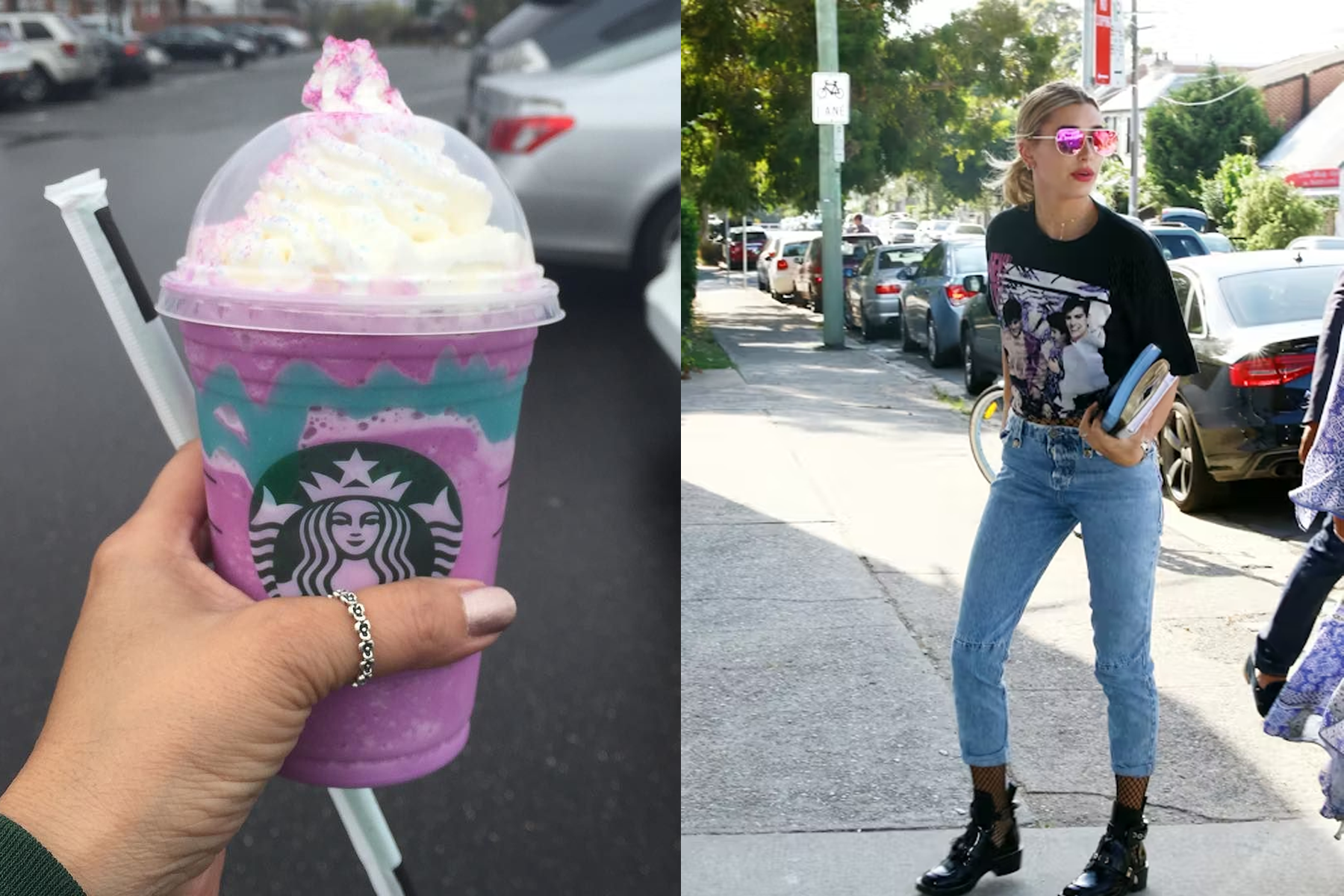
You might have noticed your social media feeds bombarded with the mannequin challenge, the Rio de Janeiro Instagram filter and the song Closer by The Chainsmokers. Unlike other throwback trends, the #2016 trend, which has now amassed over 2.3 million posts on TikTok, seems to be vying for something more intangible. While some speculate it’s a ploy to collect data for de-aging models, Gen Z appears more enthralled by the feeling that 2016 had.
While the trend itself rarely stays within the confines of the year 2016 — with edits and posts including photos set anywhere from 2012 to 2017 — the intention seems clear: 2016 and its surrounding years are remembered as a time when authenticity had meaning.
That authenticity, when viewed now, reads more like cringe — a free feeling not shaped by the pursuit of views or engagement, before algorithms dictated how people should act.
In 2016, individuality online was paramount. Being cringey was accepted — it meant you were being yourself. The early days of influencers were mostly just people in their bedrooms. Videos were shorter, and Vine, with its seven-second limit, pushed early creators to be funny in ways everyone could understand as quickly as possible.
2016 was one of the last years where social media felt locally social. Scrolling on Instagram meant seeing posts from your friends and peers. Trend cycles were slower — think hipsters, skinny jeans and Coachella flower crowns — while curated photo dumps were traded for posting as often as you wanted. Popularity, while still important, did not drive every online choice.
It was also a year of transition. Certain trends were fading while people were going online more often. Memes and news travelled slower but had the ability to break the internet in how broadly they were seen, shared and talked about. 2016 was the year of Beyoncé’s Lemonade and of Harambe — two cultural touchstones nearly everyone knew about, dominating online culture for weeks.
2016 felt connected, everyone seemingly on the same page about online culture, doing the same trends and challenges. Where the 2020s’ micro-trends lend to individuality and niche alt spaces, the 2010s’ macro-trends contributed to a shared sense of community.
Nostalgia is often used as a way to look back on the past when it seems better than the present. Those unwilling to linger in the present often turn to nostalgia when things aren’t going well. It’s impossible to discuss 2016 without addressing the seismic political shifts that occurred throughout the year.
2016 concluded with Donald Trump becoming President-elect of the United States, the UK vote to leave the European union and a rise in far-right nationalism throughout Europe. But even with these political changes, there was less pessimism in the media. Younger generations aspired for a brighter future, and social change felt tangible. It was the first time social media was effectively used to bolster support for movements like Black Lives Matter.
A changing administration often leads to a shift in culture, as it did in 2020 and again in 2024, but it is difficult to believe that social media and tech companies are not just as culpable in shaping today’s pessimism. We are more informed than ever, yet our hyper-exposure to atrocities committed in broad daylight has reshaped how information functions online. The same digital spaces once used to spark meaningful change are now oversaturated with calls to action that feel as fleeting as a Snapchat story.
The draw behind 2016 does not come from its specific aesthetics, which were often less polished and lower in resolution, but from how connected everyone felt while not being online. Social media was used to journal life and experiences, not to replace them.
In today’s world of powerful algorithms, data farms and A.I. generated content, returning to this sense of community feels impossible. Every app competes for attention and time, making the digital world feel darker and more dystopian.
The trend itself, existing within a fast-moving cycle, suggests it will be short-lived. While many engaging with it feel nostalgic, few truly want to return to 2016 — and for those who do, the reality of why it cannot be recreated is crushing.
2016 may seem dreamier than the present but yearning for a time when things appeared easier does little to distract from the issues unfolding now. As millennials post photos from their college years, it serves as a reminder to Gen Z that, although feeds change and trends once moved slower, life experiences remain largely the same. People were still figuring out who they were, who they wanted to be, and whether they were on the right track. Nostalgia may paint the past through a rose-tinted Rio de Janeiro filter, but even as times and culture change, how we live and search for meaning remains the same.