

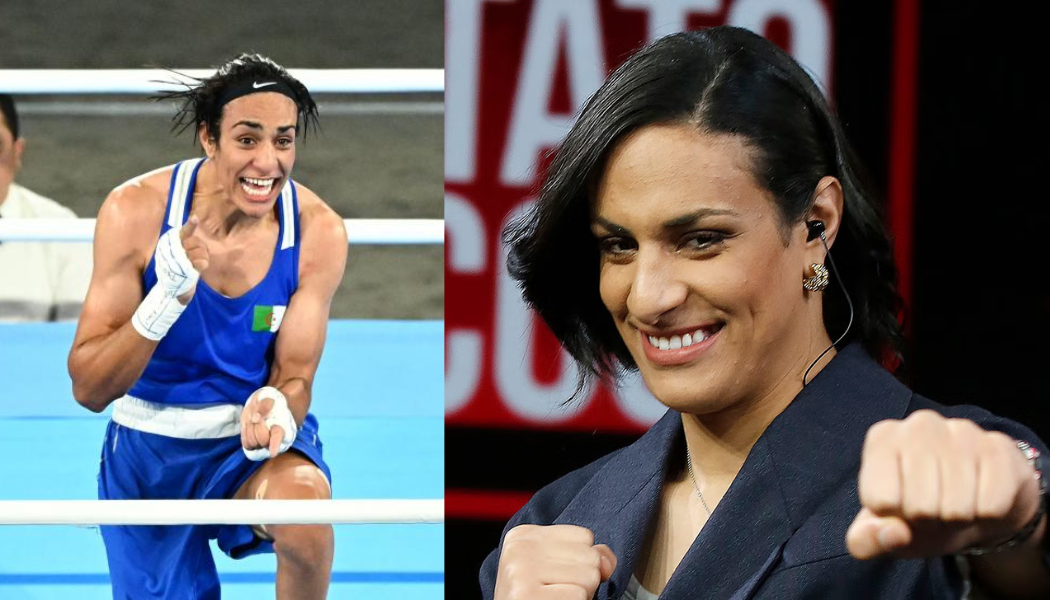
Imane Khelif, the Algerian boxer who became an Olympic champion in 2024, continues to be at the centre of one of the most contentious and widely covered sports eligibility stories in recent years. While she remains celebrated for her achievements in the ring, the conversation around her eligibility and future competence career has significantly evolved since her gold medal run at the Paris Olympics.
Since the introduction of mandatory sex verification testing by World Boxing in May 2025, Khelif has not competed in any events sanctioned by that governing body because she was required to undergo testing that would prove eligibility under its new policy. World Boxing’s announcement — which initially named her specifically as someone who must pass genetic screening before competing — drew widespread criticism for privacy reasons, and the organization later issued a formal apology to the Algerian Boxing Federation for singling her out.
Khelif appealed this policy decision to the Court of Arbitration for Sport (CAS), but her request to allow her to compete while the case was pending was denied, meaning she remained unable to participate in international competitions like the World Boxing Championships in 2025. That appeal was also stalled because of procedural obstacles related to court costs.
The debate over her eligibility is rooted in events going back to the 2023 World Championships, where she was disqualified after reportedly failing unspecified sex verification criteria used by the International Boxing Association (IBA). That decision was criticized widely, and the International Olympic Committee (IOC) later allowed her to compete at the Paris Olympics under its own eligibility criteria, which differ from those of the IBA.
In early February, Khelif spoke publicly about her situation and offered clarity on her willingness to comply with testing, but only under conditions set by the IOC rather than World Boxing. In an interview, she said she would submit to IOC-administered genetic testing necessary to secure eligibility for future competition — most notably, the 2028 Los Angeles Olympics. She stressed her respect for the protection of women’s sports but emphasized that such policies should not unfairly harm athletes like her.
Her comments came amid ongoing political and social pressure. Some political figures and commentators have repeatedly involved her name in broader discussions about eligibility rules in women’s sports, leading Khelif herself to publicly ask to be removed from political agendas. She has insisted that she is a woman and wants to compete based on established sports regulations rather than being used as a symbol in unrelated debates.
Reports also indicate that Khelif has been managing naturally higher testosterone levels under medical supervision, something she acknowledged in interviews rather than trying to obscure it. But officially public documentation about specific biological markers has never been released and there is no verified evidence that she identifies as transgender or has taken steps to change her gender.
Looking ahead, Khelif’s primary goal remains qualifying and competing at the 2028 Olympic Games. Successfully completing IOC-approved eligibility testing and clearing any remaining regulatory hurdles would be key to that plan. Her situation has continued to spark international discussion on not just her own future, but on how eligibility policies are written and applied in women’s sports more broadly. Whether those policies will change or be clarified further before 2028 remains one of the biggest questions surrounding her career.