

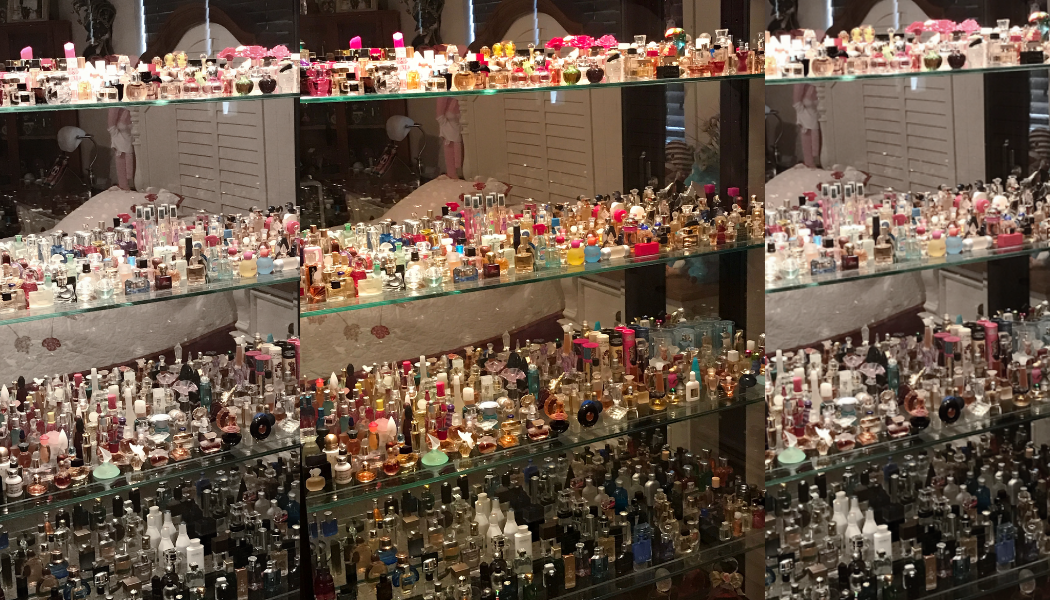
From my first bottle of Burberry Goddess to a collection larger than I’ll ever realistically finish, I’ve fallen down the perfume rabbit hole. But perfume, unlike other luxury collectibles, isn’t meant to sit on a shelf collecting dust. When chosen intentionally, fragrance is experiential. It defines mood, captures memory and becomes part of how we present ourselves. People may forget what you said, but they won’t forget how you smelled.
That intimacy is what made fragrance niche. It required patience, sampling and a willingness to understand your own taste. Historically reserved for those with access and money, the industry often felt elitist — but it was also deeply personal.
Scroll through TikTok now and that intimacy feels distant, as “PerfumeTok” has exploded fragrance into the mainstream. What was once a quiet, enthusiast-driven space has become a fast-moving trend cycle of dupes, blind buys and “must-have” launches. Slowly, fragrance has transformed from something to discover into something you’re told to purchase.
PerfumeTok didn’t begin this way. Early creators offered thoughtful reviews, deep dives into notes and genuine excitement about craftsmanship. But as audiences grew, so did influence. The line between authentic opinion and sponsored promotion blurred. Content shifted from education to virality: “Top 10 Compliment Getters.” “Smell Like Old Money.” “Perfumes That Will Turn Any Mans Head.” The algorithm favoured lists over discovery.
In the process, fragrance was reduced to what it could signal: wealth, desirability, status. Instead of asking what scent feels like you, viewers are told what scent performs best.
How influencers presented themselves changed too. From lengthy intimate chats to clickbait shot in front of a collection that rivals the perfume wall at Sephora. For seasoned collectors, a shelf dedicated to your collection was a representation of years of travelling, sampling and curating. Online, it has become an aesthetic and proof of some moral high ground in the fragrance space.
Then there’s the dupe economy. Fragrance has always inspired imitation, but TikTok has industrialized it. Influencers routinely promise that a $50 bottle smells identical to a $250 one. But perfume isn’t lipstick or fabric; it’s chemistry, skin interaction and proprietary formulations crafted by a perfumer and their nose. Exact replication is nearly impossible.
Yet entire brands now thrive on recreating designer scents at a discount, propelled by affiliate links and blind-buy culture. The message is clear: don’t test or sample, trust the consensus and the influencer standing in front of a wall of perfume.
That might be the most damaging shift of all. Fragrance is subjective — shaped by memory, body chemistry and comfort. But PerfumeTok treats it as objective fact. Dislike a viral favourite and you “just don’t get it.” Enjoy something niche and risk being accused of pretentiousness or lacking taste. The comment sections replicate the same gatekeeping the social media bubble seeks to dismantle.
PerfumeTok has made fragrance visible, but visibility isn’t the same as accessibility. In chasing virality, it has shattered individuality. Instead of encouraging people to explore their own olfactory identity, it pushes everyone toward a narrow set of algorithm approved choices.
PerfumeTok has turned scent into content and changed perfume from a form of self-expression to a box consumerism seeks to put you in.
I’m not defending an exclusionary industry, which by all accounts seeks to remain exclusionary. I love fragrance because of what it makes me feel — the memories saved in a bottle, the confidence it atomizes. My collection is intentional, deeply personal and has been built-up over many years. Sadly, what once felt like a quiet hobby now feels like a performance.