

In recent years, podcasts have become one of the most powerful tools that athletes can use to communicate with fans and shape how their careers are understood. Rather than relying entirely on journalists, television networks or post-game press conferences, many athletes now host their own shows where they control the format, topics and tone of the conversation. This shift has fundamentally changed how sports narratives are created and who gets to shape them.
Traditionally, athletes had limited opportunities to explain their perspectives in depth. Most media interactions occurred in tightly controlled environments such as locker room scrums or short broadcast interviews. These formats often prioritize quick soundbites rather than detailed discussion. As a result, the stories that emerge about athletes are frequently filtered through reporters, commentators or social media speculation. Podcasts provide an alternative space where athletes can address those narratives directly.
A growing number of professional players have launched their own shows across different sports. These podcasts often include conversations with teammates, coaches or figures from outside the sports world, creating a long form format where athletes can reflect on their careers, discuss controversies and explore topics that extend beyond competition. Because the athletes themselves host the program, they decide what subjects are discussed and how those conversations unfold.
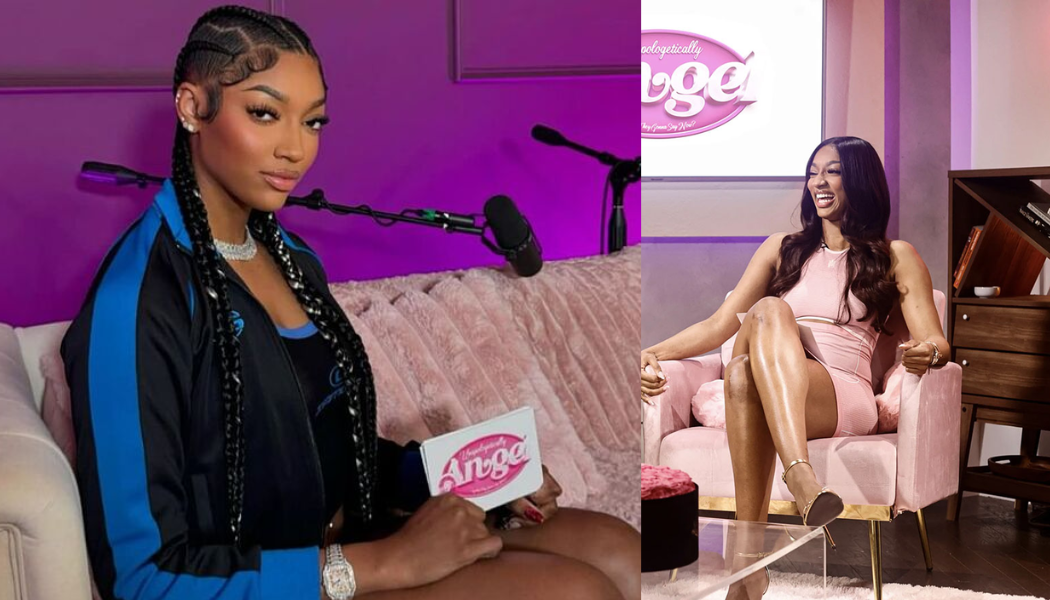
One example of this trend is the podcast Unapologetically Angel, hosted by Angel Reese. While featuring a variety of cultural discussions and guest interviews, the podcast also illustrates how athletes can reclaim control of their personal narrative. Reese rose to national prominence during her college career, a period when intense media attention and social media commentary shaped public perceptions of her personality and playing style. Through her podcast, she addresses those perceptions in her own words rather than relying solely on outside interpretation.
This kind of platform allows athletes to present a more complete version of themselves. Instead of being seen only through highlights, statistics or controversial moments, podcasts allow listeners to hear how players think about their careers and their lives away from competition. Many athletes use these conversations to discuss mental health, financial literacy, family influences and the pressures of professional sport. These topics rarely receive sustained attention in traditional sports coverage but are often central to how athletes understand their own experiences.
Podcasts also give athletes an opportunity to respond to controversies or criticism on their own terms. When disputes arise — whether related to league policies, media coverage or personal decisions — athletes can use their platforms to explain their perspective in detail. This ability to speak directly to audiences can help balance narratives that might otherwise be shaped primarily by commentators or headlines.
At the same time, the growth of athlete-hosted podcasts reflects broader changes in media consumption. Audiences increasingly prefer long form conversations that feel authentic and unscripted. Podcasts offer exactly that environment, allowing athletes to speak casually with guests rather than delivering rehearsed answers in a press conference. The result often comes across as more personal and transparent to listeners.
For athletes, the format also represents a form of independence within the sports media ecosystem. Instead of being passive subjects of coverage, they become creators who shape the conversation surrounding their sport. While journalists and analysts still play an important role in reporting and critique, podcasts allow athletes to participate directly in that dialogue.
As the sports media landscape continues to evolve, athlete driven platforms will likely remain a central part of how stories are told. By hosting podcasts and speaking directly to audiences, athletes are redefining the relationship between players, media and fans. In doing so, they ensure that their own voices remain part of the narrative that surrounds their careers.