

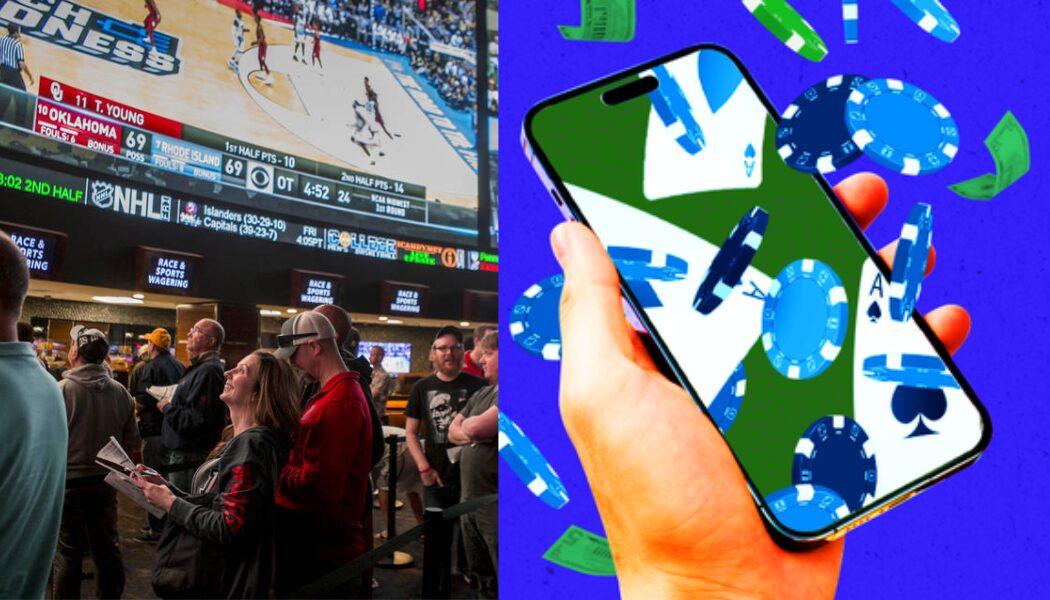
Sports gambling might feel like a recent surge in the sports world, especially with its constant presence across broadcasts and social media, but it has been embedded in organized sport for well over a century. What has changed is not its existence, but how visible, accessible and regulated it has become.
In North America, sports betting can be traced back to the late 19th and early 20th centuries, with horse racing serving as one of the earliest structured forms of wagering. Racetracks in both the United States and Canada operated with bookmakers, established odds and formal betting systems, creating a foundation for modern gambling practices. These early systems were already tied to concerns about fairness, as the financial stakes created opportunities for manipulation.
One of the first major and widely recognized cases of gambling influencing professional sport came in 1919 with the Black Sox Scandal. Eight players from the Chicago White Sox were accused of deliberately losing the World Series in exchange for money from gamblers. Although they were acquitted in court, they were banned from Major League Baseball for life. The fallout led to the appointment of the league’s first commissioner, tasked with protecting the integrity of the game.
Another early example that reinforced these concerns occurred in 1927, when boxer Pete Rizzo was involved in a fixed fight scandal. Investigations revealed that the outcome of a bout had been manipulated for betting purposes, highlighting how vulnerable individual sports could be to gambling influence. Boxing in particular, became associated with betting-related controversies throughout the early 20th century due to its less centralized governance and the ease with which outcomes could be influenced.
Beyond North America, one of the most significant early betting scandals in international sport took place in 1964 with the British football betting scandal. Several professional players in England were found guilty of match-fixing, having conspired with gamblers to influence the results of league matches. The scandal led to lifetime bans for some players and prison sentences for others, reinforcing the idea that gambling posed a serious threat to competitive integrity across different sports and countries.
For much of the 20th century, sports gambling operated largely in the shadows. Legal options were limited, particularly in Canada, where betting was restricted to government-run systems that required parlay-style wagers. At the same time, illegal betting markets thrived, supported by underground bookmakers and informal networks.
The modern era has brought sports gambling into the open. In Canada, single-event sports betting was legalized in 2021, allowing provinces to regulate wagers on individual games. This marked a significant shift toward transparency and consumer protection. Similarly, the United States expanded legal betting following a 2018 Supreme Court decision, leading to rapid growth across multiple states.
Today, sports gambling is fully integrated into the sports industry. Odds are displayed during broadcasts, leagues have partnerships with betting companies, and mobile apps allow fans to place wagers instantly. While the scale has changed, the central concern has not.
From early scandals in baseball, boxing and football to today’s regulated markets, sports gambling has always carried the same risk: the potential to undermine the integrity of competition. The difference now is that leagues and governments are attempting to manage that risk in full view of the public, rather than leaving it in the shadows.