

The WNBA and the Women’s National Basketball Players Association have reached a landmark collective bargaining agreement (CBA) following months of intense negotiations, marking one of the most significant turning points in the league’s history.
Talks between the league and players stretched over more than a year, with negotiations intensifying in early March through marathon meetings that sometimes lasted well over 12 hours. The urgency was clear: both sides were working against a deadline to avoid disruption to the upcoming season, which is scheduled to begin in May. While early sessions ended without resolution, momentum built quickly in the final days, culminating in a tentative agreement that has since been widely ratified by players and approved by team ownership.
At the centre of the negotiations was a long-standing issue in women’s professional sports: compensation. Players had opted out of the previous agreement in 2024, pushing for a structure that tied salaries more directly to league revenue. The new deal introduces a form of revenue sharing — reportedly around 20 per cent of gross revenue— representing a major shift in how players are paid and a compromise between the league’s and union’s earlier positions.
Financially, the changes are dramatic. The salary cap is set to jump from roughly $1.5 million per team in 2025 to about $7 million in 2026, reflecting the league’s rapid growth in popularity and commercial value. Average salaries are expected to rise to around $500,000 to $600,000, while minimum salaries will increase to approximately $300,000 — a significant leap from previous figures. Top-tier players will now be eligible for “supermax” contracts starting at roughly $1.4 million, with the potential to climb even higher as revenues increase over the life of the agreement.
Beyond salaries, the agreement includes improvements to overall working conditions and league structure. Charter travel is expected to be implemented league-wide, addressing a long-standing player concern, while roster sizes will expand to include additional developmental spots. The regular season is also set to grow, reaching up to 52 games by the end of the deal, signalling both confidence in the league’s trajectory and increased demand from fans.
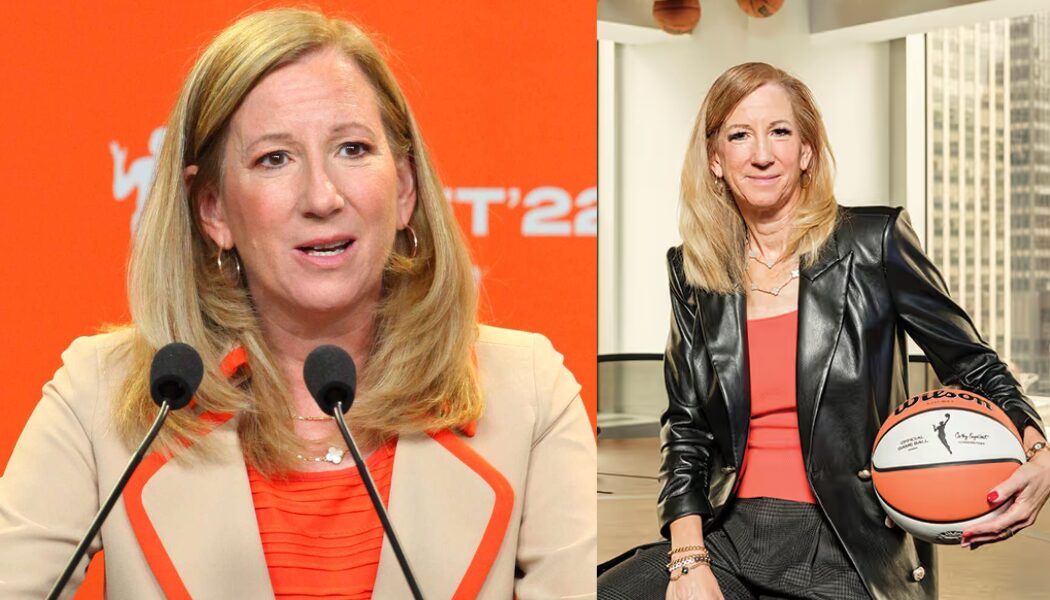
The agreement arrives at a pivotal moment. The WNBA is experiencing a surge in viewership, media attention and investment, and the new CBA reflects that upward trend. League commissioner Cathy Engelbert has described the deal as a defining step for the future of women’s sports, while union leadership, including Nneka Ogwumike, has emphasized its importance in establishing fairer standards for players.
Ultimately, the agreement does more than resolve a labour dispute. It reshapes the economic foundation of the league, aligning player compensation with growth and signalling a new era of stability. With the 2026 season now set to proceed on schedule, the focus shifts back to basketball — but under a system that more closely reflects the value players bring to the game.