

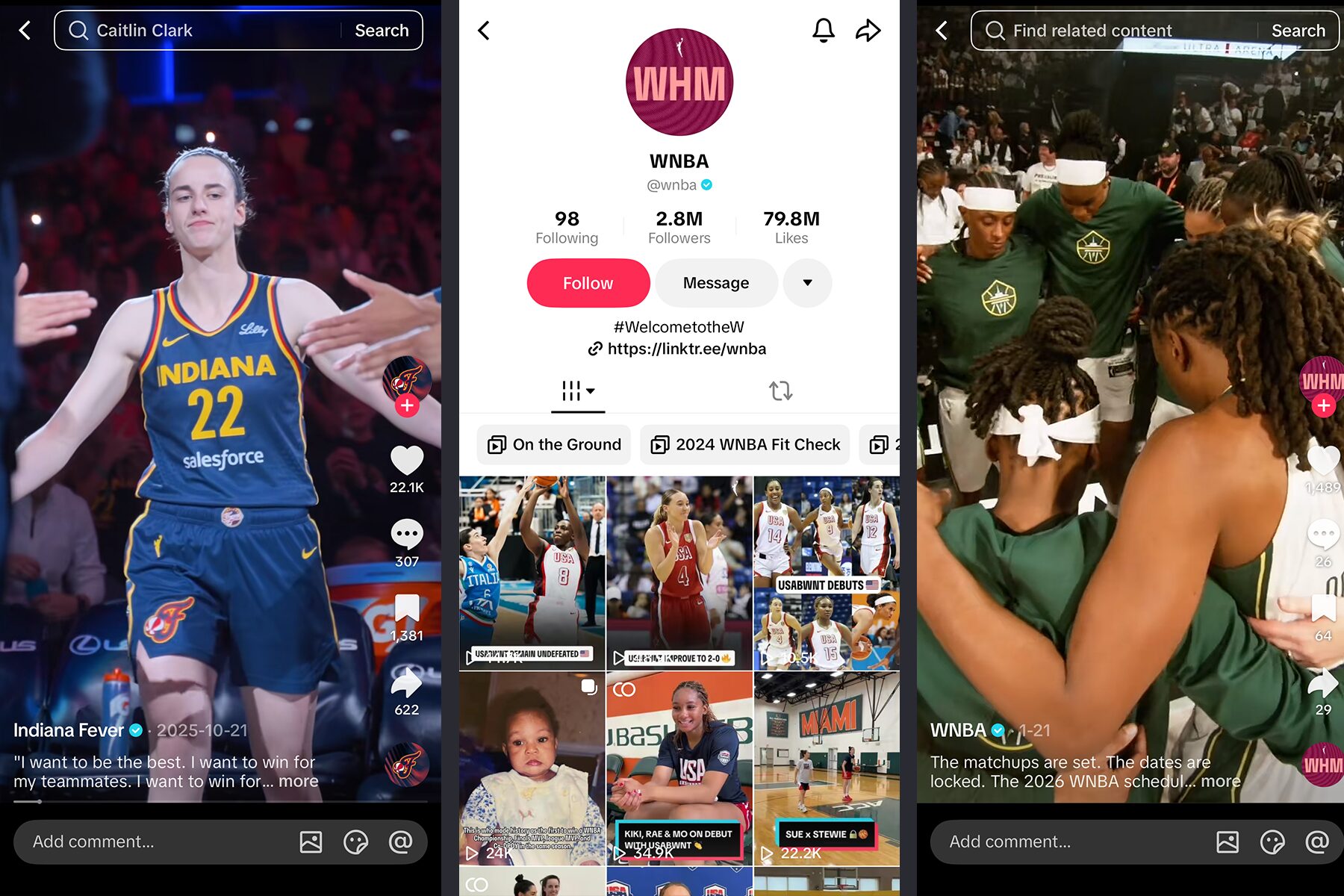
Social media platforms such as TikTok and Instagram have changed how athletes are introduced to fans. For decades, fans typically discovered athletes through televised games, newspaper coverages or highlight shows. Today, athletes can reach large audiences directly through short videos, training clips and everyday content posted on social media. This shift has changed how sports visibility works, particularly for younger athletes and those competing in sports that traditionally receive limited media coverage.
One of the most significant differences is the speed at which athletes can gain recognition. TikTok’s algorithm allows content to reach viewers who are not already following the athlete or the sport. A single highlight clip, workout video or behind-the-scenes moment can quickly reach millions of users. Because of this distribution system, athletes can become widely known before they reach professional leagues or major competitions. For fans, discovery often happens through short videos circulating online rather than through traditional sports broadcasts.
Instagram plays a similar role, though it often functions more as a long-term platform for athlete identity and branding. Athletes frequently use Instagram to share training footage, competition photos and updates about their careers. The platform’s structure encourages athletes to maintain an ongoing visual record of their work and progress. Fans who follow these accounts gain access to moments that would previously have remained private, such as preparation routines, recovery processes or off-season training.
This shift has also changed how athletes manage their public image. Instead of relying entirely on media outlets to shape how they are presented, athletes now control much of their own communication. They decide which parts of their lives to share, how often they post and what tone they use when interacting with fans. For many athletes, social media has become an important part of career development because audience engagement can increase visibility and open commercial opportunities.
The impact is particularly noticeable in college athletics. Since the introduction of Name, Image and Likeness (NIL) policies in the United States, athletes have been able to earn money through sponsorships and endorsements tied to their public profiles. Social media following has become one of the factors companies consider when deciding which athletes to partner with. Athletes with large online audiences may attract attention from brands even if they compete in sports that traditionally receive less television coverage.
TikTok has also helped elevate athletes in sports that are not regularly broadcast. Gymnastics, track and field and combat sports frequently circulate on the platform through short clips that highlight technique or training routines. These videos can reach viewers who may not normally watch these competitions in full. As a result, fans sometimes become familiar with athletes long before major events such as Olympic trials or national championships.
Another important change is the global nature of social media discovery. A fan in one country can easily encounter an athlete competing in another league or region through a viral post or trending video. This has broadened the range of athletes who gain international attention and has made sports audiences less dependent on national broadcast schedules.
The growing role of TikTok and Instagram shows that sports visibility is no longer shaped solely by leagues and television networks. Athletes now participate directly in how they are introduced to fans, using social media to distribute highlights, build audiences and maintain public recognition throughout their careers.