

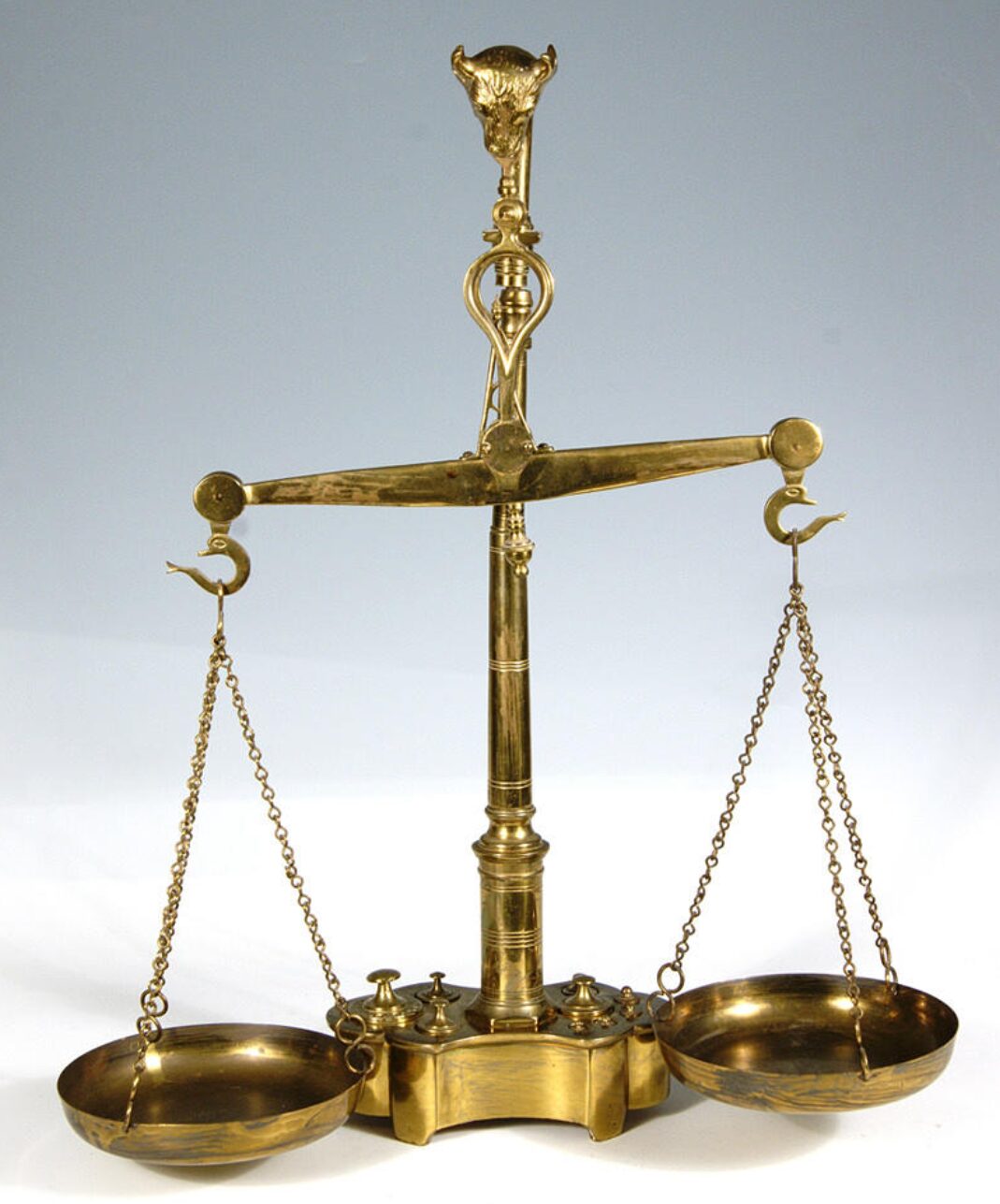
Neutrality is often treated as the absence of a position or as the middle ground, neither supporting nor opposing, participating nor interfering. It is the easiest cop-out to preserve yourself from the controversies of politics or to remain uninterested or uneducated in politics. But despite your desire to remain apolitical, politics will always be interested in you, and one’s inaction will always be a form of action.
The number one rule of politics is that policy always favours the status quo because unless there is active and strong opposition to the status quo, every other position (in favour, neutral or abstention) will support the status quo.
Therefore, neutrality itself is a political stance.
If a system is working exactly as it currently does and you choose not to challenge it, your inaction does nothing to disrupt that system. The people who benefit from it continue benefiting; the people harmed by it continue bearing the consequences. There is no magical third outcome created because someone personally declines to participate.
This distinction becomes particularly important when the status quo is being challenged as unjust or oppressive. Under those circumstances, the impact of silence is not distributed equally amongst all parties involved. Under an oppressive system, remaining neutral or “seeing both sides” inherently favours the oppressors.
The controversy surrounding Ed Sheeran and Macklemore’s recent tour is a clear demonstration of this.
For a short recap of the controversy, the owner of Gillette Stadium and the New England Patriots, Robert Kraft, allegedly rallied venues to cancel Sheeran’s tour dates unless Sheeran agreed to remove Macklemore as his opener. The target on Macklemore was due to his support of Palestinians in Gaza and the West Bank, saying “Free Palestine” and performing his protest song “Hind’s Hall,” as he opened for Sheeran’s Loop Tour.
According to the Instagram post shared by Macklemore, Sheeran “couldn’t get past his public facing ‘I don’t take sides.’”
Macklemore continues to rightly express that “there is no neutral position between the oppressor and oppressed. When one side has bombs and bottomless financial military support from America, refusing to take a side doesn’t leave you in the middle.”
This logic does not end with Ed Sheeran but applies to every single one of us, with a particular emphasis on politicians themselves. Western liberal institutions’ reliable “balanced” doctrine on Israel and Palestine is the most prevalent example of which Canadian Prime Minister Mark Carney has joined.
On paper, Carney has positioned himself as an enlightened reformer: formally recognizing the State of Palestine, condemning Israel’s military escalations and declaring West Bank settlements illegal under international law. While all of this is progressive in comparison to Canada’s past takes on the situation, it is, as with all things involving Carney, the centrist position; taking a principled middle path.
Under the basic laws of political power, Carney’s doctrine demonstrates the exact failure of neutrality, revealing the calculated difference between verbally supporting Palestine and confronting the structural apparatus of their oppressors. It lets Canada sit in the middle ground of seeing both sides, without acknowledging the outsized devastation Israel has inflicted on Palestine.
Actual opposition of Israel would look like cancelling bilateral free trade agreements, imposing comprehensive diplomatic and economic sanctions, shutting down intelligence-sharing channels and actively isolating an occupying state until international law is restored.
Instead, Carney maintains the foundational architecture of Canadian-Israeli relations, treating Israel’s diplomatic legitimacy and security infrastructure as untouchable. He even conditions Palestinian sovereignty on demilitarization and foreign-imposed governance benchmarks, a humiliating paternalism never asked of the state dropping the bombs.
In an asymmetrical reality where one party holds fighter jets, American financial backing and total control over land, water and skies, and the other survives under blockade and rubble, appeasing both sides is not diplomacy: it is complicity disguised as moderation.
Supporting the oppressed while actively refusing to challenge their oppressor’s economic and military legitimacy does not make you a peacemaker, it makes you an administrator of the status quo.