

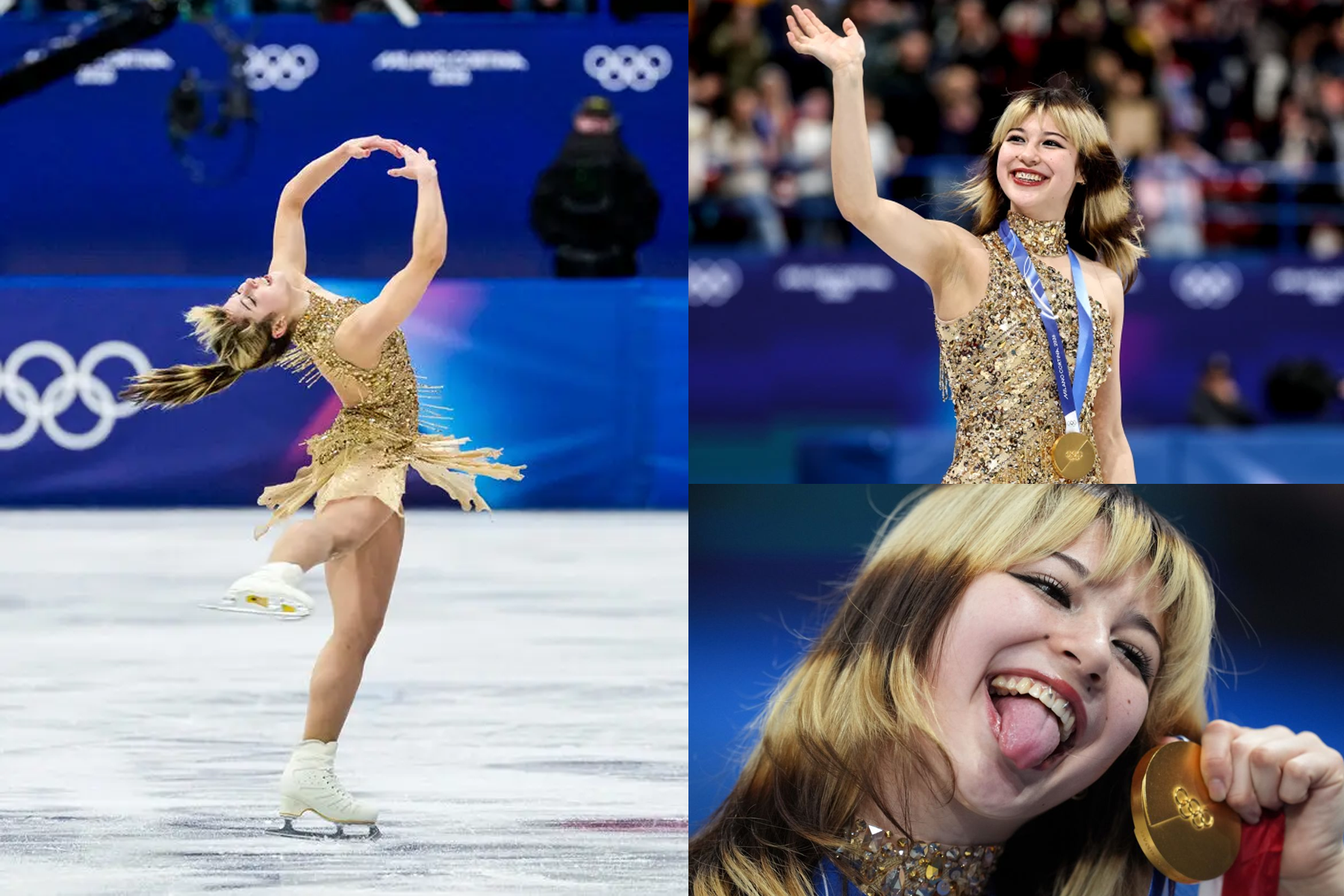
At just 20 years old, Alysa Liu did what many figure skaters once believed was impossible: become a better skater after retirement.
In 2019, a 13-year-old Liu emerged as one of the world’s most promising women’s singles skaters after becoming the youngest U.S. National Champion in history. The following year, she defended her title and solidified her path to the 2022 Winter Olympics in Beijing.
Figure skating is inherently intense and is often considered one of the most demanding individual Olympic sports. It requires constant technical innovation, relentless training and unshakeable mental fortitude. What’s worse, most athletes face an incredibly short competitive window.
Most Olympians endure the sacrifices for their chance at the podium. A sixth-place finish for a 16-year-old athlete usually isn’t enough to make them quit — but for Liu, it offered perspective.
After placing sixth at the 2022 games, Liu’s decision to retire at 16 years old was radical. In recent interviews, Liu explained that her decision came from sacrifice. Being a top ranked player for most of her teens means she lost time with friends, family and the experiences that come with being a teenager. After losing the love she once had for her sport, she realized what she had lost with it. Liu’s decision to retire gave her the very thing young athletes value most: time.
If Liu never returned, her legacy would’ve been secured as the youngest U.S. Women’s Singles Champion in history and two-time national title holder. But in 2024, Liu returned to the ice.
Upon returning to figure skating, Liu had a new outlook. Armed with independence, she reintroduced herself to the sport, committed to enjoying every moment of it. Channelling her newfound passions — while making full use of her driver’s licence, a perk she earned in her time away — Liu worked with her team to craft every aspect of her reintroduction in her image.
When Liu skates, she’s performing a routine she designed, with music chosen from her catalogue and in a competition ready costume designed by her. Taking the reins on creative control Liu’s mindset shifted — winning was no longer the sole objective: joy was. In a sport often defined by razor thin margins and rigid expectations, that perspective is revolutionary.
At the 2025 U.S. championships, she reclaimed her place at the top of the podium, earning gold and securing her position at the 2026 Olympics in Milan.
The so-called “Blade Angels” — Amber Glenn, Alysa Liu and Isabeau Levito — were the trio expected to lead team U.S.A.’s women’s singles resurgence. Tasked with breaking a 24-year gold medal drought, the celebrity endorsed trifecta had to deliver.
Though her teammates faltered in their short programs, Liu delivered, garnering one of the highest scores of any short program, all while skating to a routine she choreographed, in a dress that she designed and music she selected.
In an interview, Liu said that she doesn’t get nervous, and watching her skate, you’d start to believe it. When Liu steps on the ice, the sport shifts. It’s not about confidence or precision — which as a viewer, you trust she’ll deliver — it’s about the energy emanating from the ice and the joy she brings to skating.
Her confidence is infectious, while the world looks to pit skaters against each other, Liu is skating alongside friends and mentors. Her sportsmanship extends beyond the flag she’s wearing and to the other athletes internationally. When Japanese skater Nakai Ami received her total combined score placing third, Liu was the first to meet her at the kiss and cry to congratulate her and join her in celebrating.
Liu’s free skate set to “MacArthur Park” by Donna Summer was among the most technically complex programs attempted by any female skater at the 2026 games. A remarkable feat on its own, but when paired with the knowledge that Liu has taken a two-year hiatus, her performance was historic.
Liu finished her free skate with a combined score of 226.79 points, placing her nearly two points ahead of Kaori Sakamoto, former 2022 bronze medalist. Liu’s gold medal ended the 24-year drought and has signaled a shift in the sport as a whole.
Coming from the scandal-stricken podium of the 2022 Olympic games, the absence of the now banned Russian Olympic Committee and win-at-all-costs coach Eteri Tutberidze has given way to a more harmonious sport. One with athletes who support each other and a clear shift away from the toxic skating culture that plagued Olympics past.
For Liu, returning on her own terms redefined what excellence in figure skating can look like. Winning gold did not require sacrificing autonomy, joy or mental and physical well-being. It did not require ignoring exhaustion or suffering in silence.
Her technical prowess is undeniable. But what truly sets her apart is something harder to quantify — the decision to compete not out of obligation or expectation, but out of genuine love for her craft.