

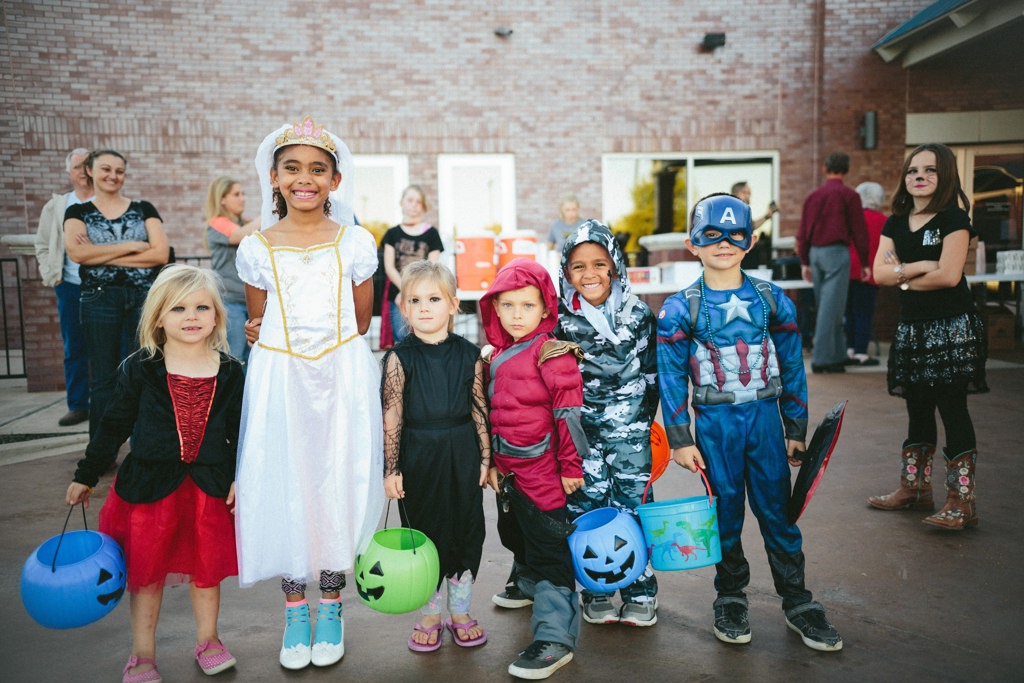
Trying to stop kids from participating in Halloween festivities is wrong, especially in a world where they’ve already had so many experiences taken from them.
In recent years, there has been an alarming trend of schools prohibiting children from wearing Halloween costumes in class. There are a few reasons why educational institutions might claim to do this: some families do not recognize Halloween, and some children might feel left out when seeing others’ elaborate costumes.
It’s time to retire these old excuses and call this out for what it is: an anti-fun mandate.
It’s true that some families don’t recognize Halloween, which is entirely valid. But no one’s forcing them to dress up their kids in costumes or send them trick-or-treating. Just because some people don’t participate in an event doesn’t mean that the event’s traditions should be banned in public spaces. We should trust people to make their own decisions on whether or not to participate and allow those who do celebrate to have a fun time.
Should we ban Christmas movies at the theatre because not everyone celebrates, or prohibit Easter egg hunts because someone might not recognize the holiday? Of course not! Everyone should certainly be allowed to make their own decisions, but a few people choosing not to participate doesn’t mean everyone else should have to keep quiet.
A similar argument can be said for children who feel left out because of others’ costumes. Unfortunately, envy and frustration are just parts of childhood, and this isn’t a reasonable justification to prevent everyone from having fun with an activity.
The truth is: we already live in a world where children have many valuable
experiences taken from them.
Unlike the generation before them, many children today are not allowed outside for extended periods of time without supervision because of dangerous strangers and situations that might await them. Adults talk about the days they could spend outside with friends, but many children today aren’t able to have those same experiences.
Then there’s the issues presented by technology. Despite all its benefits, tech has taken a toll on children’s social skills and relationships, leading to kids’ increasing shyness and intimidation by social situations.
Not to mention the COVID-19 pandemic, which stripped millions of children of years’ worth of school, extracurricular and social experiences. Many kids spent years isolated at home, which is wholly unnatural for a young human being’s development.
Today’s children have had so many experiences taken from them. Their childhoods have been impacted by a myriad of factors that have destroyed much of what should make childhood special. The last thing we should do is arbitrarily restrict them further by banning celebrations and festivities meant to put smiles on their faces.
Many of the adults attempting to ban costumes in schools likely have plenty of positive childhood memories of participating in Halloween festivities themselves. They should feel ashamed for using their authority to attempt to prevent the next generation from making similar memories.