
The Carney government has taken on a host of projects ranging from military procurement to transit, with the highest profile ones deemed “nation building” projects that are earmarked for fast tracking.
Carney’s nation building projects are centered around a host of goals meant to “boost Canada’s competitiveness” in several areas such as energy, trade, minerals and data. The prime minister’s press release on the second “tranche of projects” states that “Canada must start by realizing our full potential as an energy superpower,” noting that Canada is the “fourth largest natural gas producer in the world” and that Canada possesses an over 80 per cent clean energy grid.
The Carney government has set up the Major Projects Office (MPO) as a means to “advance major projects and streamline federal regulatory projects” with the aim of establishing a “two-year timeline for major project decisions.”
Projects deemed “nation building” are largely in areas such as energy or minerals. Some of these projects from the first tranche are as follows.
Phase two is LNG Canada in Kitmat British Columbia. The project here is focused on doubling the plant’s capacity, which currently sits at 14 million tonnes/year in LNG produced.
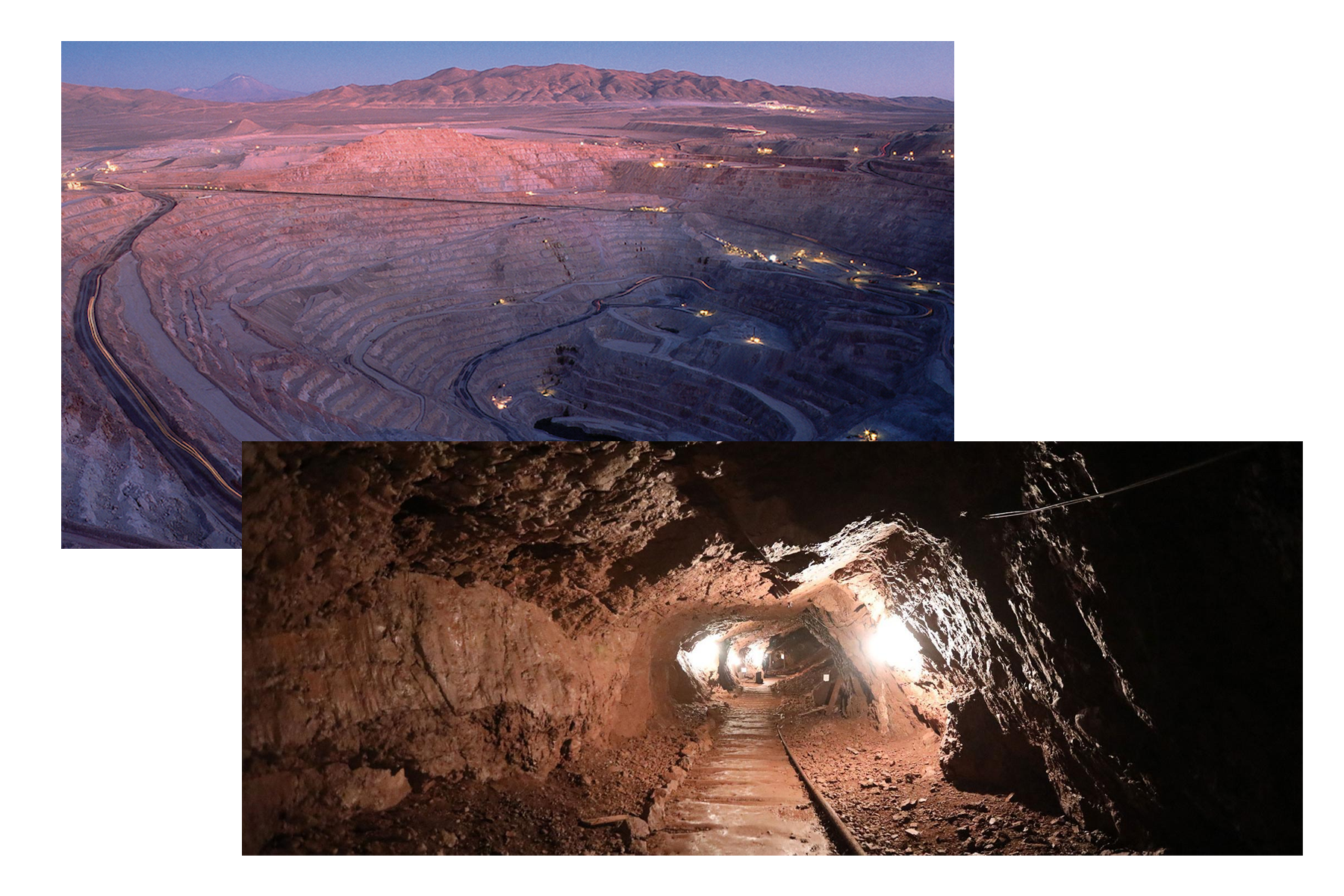
Another project is the McIlvenna Bay copper mine in Saskatchewan, which is slated to support job growth in rural Saskatchewan by establishing around “450 long-term stable jobs” once running. The project received assistance in meeting regulatory requirements and financing, with Carney stating that “the government is referring them to the MPO to be shepherded across the finish line.”
The second tranche involved projects such as the Nickel’s Crawford Project in Timmins Ontario, which is situated in “the world’s second largest nickel reserve.” The project aims to mine and produce high-quality Nickel with carbon emissions at roughly 90 per cent below the global average for this type of operation.
Energy projects continue with the Darlington New Nuclear Project being directed to the MPO for consideration. Located in Bowmanville, Ontario, the project is slated to make Canada “the first G7 country to have an operational small modular reactor (SMR).”
The project has currently been approved for construction by the government of Ontario and is designed to provide about 300,000 homes with power.
On the west coast in British Columbia, the North Coast Transmission Line (NCTL) phases 1 through 3 have also been put to the MPO for consideration. This project is aimed at doubling the transmission lines through Northwest B.C. to deliver low-cost energy for other LNG and critical mineral projects.
Other projects being considered but have not yet been designated “nation building” projects include potential “upgrades to the Port of Churchill” in Manitoba, “the Alto high-speed rail” project along the Windsor to Québec corridor and the Alberta “Pathways plus carbon capture and pipeline projects”.
These projects do not include the nearly 73 billion earmarked for defence spending and procurement, including the on-going submarine procurement efforts and debate around the future Jets of the Royal Canadian Air Force.
Canada has become host to several ongoing projects as the nation aims to secure itself.