
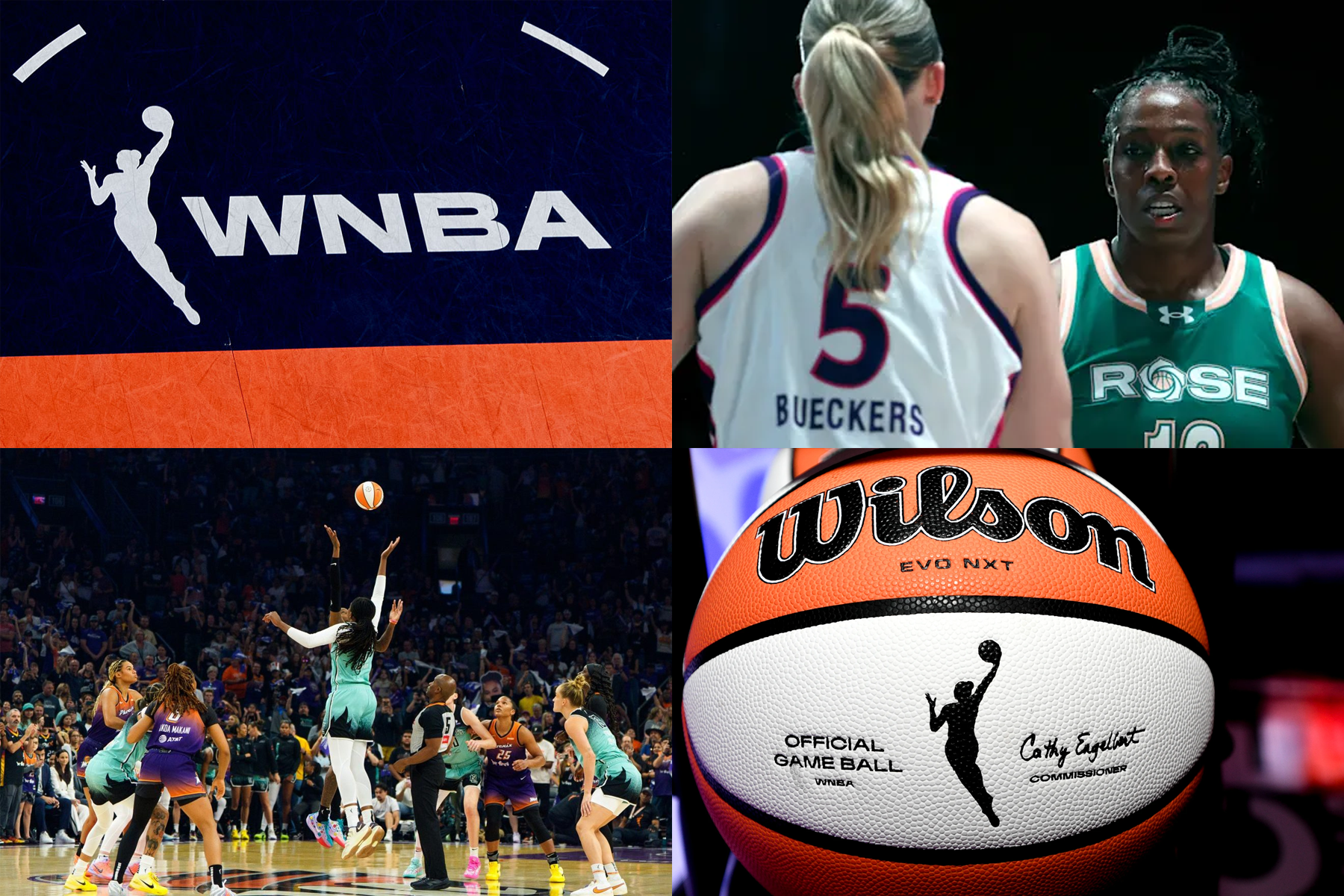
The WNBA’s 2026 season has not been officially delayed, but the league has warned teams and the WNBPA that the May 8 tip-off is at risk if collective bargaining talks do not reach a workable framework by March 10.
What makes this situation different from a normal offseason is timing. A huge share of the league is set to hit free agency, and the WNBA also has to run an expansion process for two incoming clubs, Toronto Tempo and Portland Fire. Those steps are tied to the rules of the next collective bargaining agreement because contract structures, the salary cap, roster limits and revenue sharing all flow from the CBA (collective bargaining agreement). If those rules are not settled soon, the league cannot realistically complete the expansion draft, open free agency in a meaningful way and still give teams enough runway to prepare for training camps.
The calendar is tight even if an agreement lands. The league’s published key dates still point to May 8 as opening night for the 30th season with a full opening weekend slate, plus training camps projected for mid to late April and the college draft in mid-April. But ratification can take time after a handshake deal, which is why officials have been stressing urgency now rather than later.
So, what is actually holding things up?
Money and the definition of money. Reports on the negotiations describe a major gap between the league’s offer of players receiving more than 70 per cent of net revenue and the union’s push to base sharing on gross revenue, which would change how the pie is calculated before expenses. That difference sounds technical, but it shapes everything else, including how fast salaries can rise and how much financial risk players should carry as the league grows.
At the same time, the league has floated big headline numbers as part of its pitch, including a sharply higher salary cap and maximum salaries that would jump well beyond the current structure, plus a mechanism that could let elite rookies reach max extensions earlier if they earn top league honours. Players have also been focused on quality-of-life items such as benefits and housing, with reports noting the league’s position that team-paid housing would continue in 2026 before being phased down in later years.
If the March 10 target slips without real progress, the most likely “delay” is logistical rather than dramatic: key offseason events slide, training camps shorten, the schedule compresses and opening night moves. For a league trying to lock in momentum, that would be a costly outcome for players, teams, broadcasters and fans.