
In the modern sports world, activism has become inseparable from athletic identity. No longer confined to the sidelines, athletes across leagues and continents are using their platforms to confront issues of race, gender, equality and governance.
The relationship between athletes and political activism has deep roots, but its current resurgence reflects the power of social media and the erosion of the traditional separation between sport and society. Figures like Colin Kaepernick, whose decision to kneel during the U.S. national anthem in 2016 catalyzed worldwide debate, have been redefining what athlete protest looks like. His act reverberated far beyond the NFL, influencing entire generations of athletes to view their careers not just as professional paths but as vehicles for civic engagement. The subsequent years have seen that impulse expand into nearly every sport.
For example, in women’s basketball, activism has been both consistent and organized. The WNBA players’ union was at the forefront of national conversations around police reform, reproductive rights and LGBTQ+ inclusion. Teams collectively wore shirts echoing their activist values, altered warm up routines and leveraged post-game interviews to discuss issues beyond the box score. This activism was not performative but strategic, as WNBA players used their bargaining power to elect leaders and negotiate structural change. Their advocacy helped reshape public perception of how sports organizations interact with political discourse.
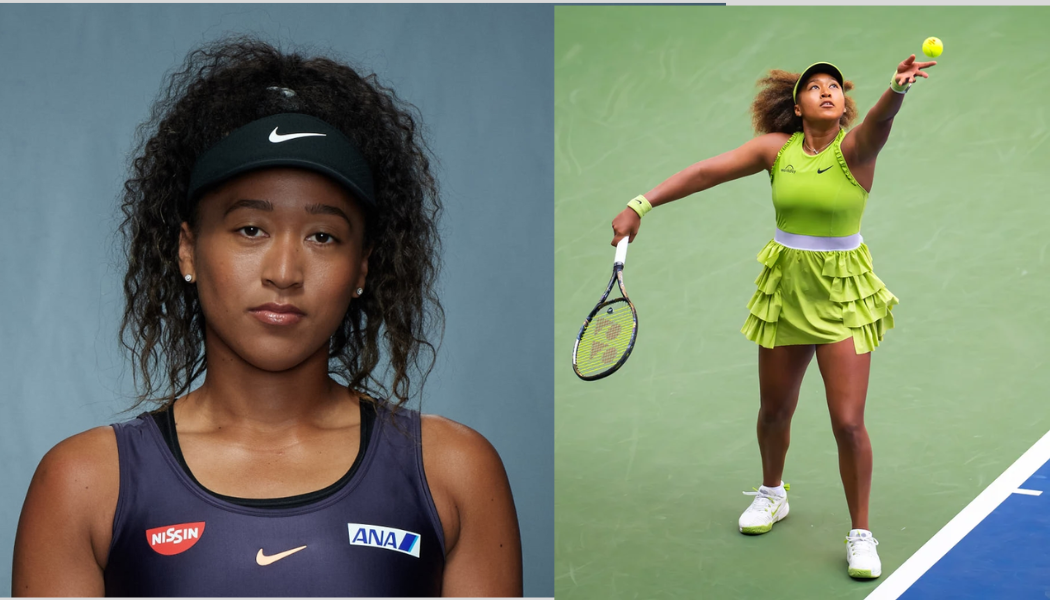
Global examples have also underscored this trend. In tennis, Naomi Osaka’s used her 2020 U.S. open run as a political statement in itself, wearing a mask bearing the name of a victim of racial violence during each match. More recently, athletes from Ukraine, Iran and Palestine have used their visibility to call attention to conflict that transcends the playing field. Iranian soccer players have risked government punishment for silent protests during international tournaments, while Ukrainian Olympians have spoken against Russian aggression at great personal cost. Sports have become an international stage for moral expression.
Corporate and institutional reactions, however, remain complicated. While leagues like the NBA and WNBA have generally supported activism, others have attempted to curtail it. The International Olympic Committee, for instance, maintains strict rules limiting political gestures on the podium. Yet even these restrictions have been challenged at the Tokyo 2020 and Paris 2024 Olympic Games, as athletes found creative ways to express solidarity without direct violation. The boundaries of acceptable protest continue to shift with each act of defiance.
In North America, the intersection of activism and sports has also entered the collegiate level. Student athletes have become active participants in the movements against racial injustice and gender discrimination, often pressuring universities to re-examine their hiring, funding and recruitment practices. The rise of NIL (name, image and likeness) deals has further empowered them to attach social values to personal branding, transforming the economics of athlete influence. Today, a social media post or a statement from a university athlete can reverberate through national headlines, something that would have been nearly unthinkable a decade ago.
Still, the question persists: how much activism within sports truly changes the systems that sustain inequality? After all, visibility doesn’t always translate to structural reform. With that said, awareness is the first step toward transformation, and the fact remains that athletes have achieved tangible results, from funding voting initiatives to influencing corporate diversity policies. What cannot be denied is that athlete activism has evolved from symbolic protest into sustained political participation.
As we approach 2026, this movement shows no signs of slowing down. Whether through coordinated campaigns, silent gestures or public declarations, athletes are asserting that neutrality is no longer an option. Their influence reshapes not only how we watch sports, but how we understand power, identity and resistance in today’s world.