

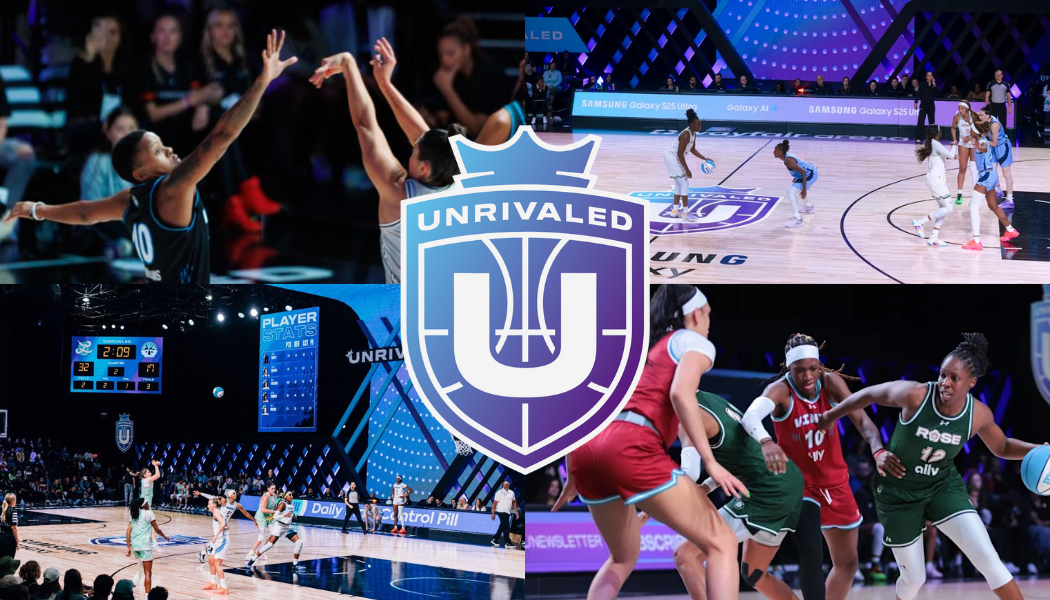
When Unrivaled was officially announced in 2023, the immediate reaction was cautious curiosity. Alternative leagues in women’s sports have often struggled to coexist with established institutions. Yet Unrivaled’s formation, leadership and timing reveal something different: a league designed not to compete with the Women’s National Basketball Association, but to reinforce it.
Founded by WNBA stars Breanna Stweart and Napheesa Collier, Unrivaled was created in direct response to a structural problem that has defined women’s professional basketball for decades: the lack of sustainable offseason opportunities in North America. For years, most elite WNBA players have relied on overseas leagues during the winter to supplement income, often playing heavy minutes year-round with little recovery time. Unrivaled offers a domestic alternative that addresses both financial and physical strain.
The league was set to launch its inaugural season in January 2025, intentionally scheduled during the WNBA offseason. This timing is central to why Unrivaled benefits rather than disrupts the WNBA: it avoids overlapping, preserves league primacy and allows players to remain visible without forcing fans or sponsors to choose between products. Rather than replacing the WNBA calendar, Unrivaled extends it.
Unrivaled’s structure further distinguishes it from traditional leagues. The competition is built around a high-level 3-on-3 format, featuring a limited number of teams and a concentrated roster of established WNBA talent. This shorter season reduces physical wear while still offering meaningful competition. Importantly, players relieve equity stakes in the league, an uncommon feature in professional sports and one that aligns financial incentives with long-term sustainability rather than short-term profit extraction.
From the WNBA’s perspective, the benefits are tangible. Healthier players returning from the offseason reduces injury risk and improves on-court quality. Retaining star athletes domestically during the winter months also strengthens media continuity. In a sports ecosystem where attention is fragmented, year-round storytelling matters. Fans who follow players through Unrivaled are more likely to remain engaged when the WNBA season begins.
Concerns that Unrivaled could siphon sponsorships or dilute talent misunderstand the broader context of women’s basketball. The issue has never been oversupplying, it has been underinvestment and limited access. Unrivaled does not draw players away from the WNBA, it draws resources and attention into a space that has historically lacked both. Its player-led governance also ensures alignment rather than opposition. Stewart and Collier remain active with WNBA players with vested interest in the league’s success.
Ultimately, Unrivaled represents an evolution in how women’s professional basketball supports its athletes. By addressing offseason pay, visibility and workload without undermining the WNBA’s central role, it strengthens the sport’s overall ecosystem. The league’s existence signals not fragmentation, but maturity — a recognition that women’s basketball can sustain multiple platforms working in concert and competition.