
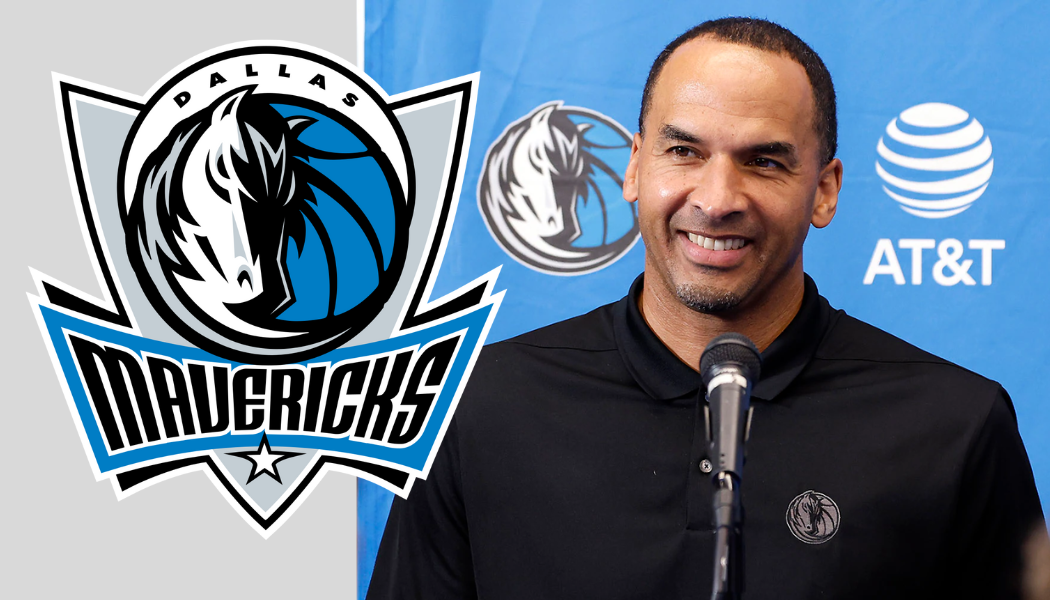
On Nov. 11, the Dallas Mavericks announced that they were relieving Nico Harrison of his duties as general manager and president of basketball operations. His departure comes after a 3-8 start to the 2025-26 NBA season and follows significant strategic decisions that drew scrutiny both internally and externally.
However, the franchise’s direction shifted dramatically beginning in February, when Harrison orchestrated a trade that sent Luka Dončić to the Los Angeles Lakers. In return, the Mavericks acquired Anthony Davis and future draft considerations. This transaction was widely regarded as one of the most shocking trades in league history and became a defining moment of Harrison’s tenure.
Fan reactions were immediate and persistent. Chants of “fire Nico” echoed at home games and media criticism mounted over both the trade decision and the team’s subsequent performance. Although Harrison defended the move by referencing concerns over Dončić’s conditioning and ability to fit the team’s culture, critics argued that the transaction undermined the franchise’s competitive foundation and alienated its most loyal supporters.
The 2025-26 season began poorly for Dallas. With a record of 3-8, the franchise fell short of expectations, given the potential of its roster and the recent high draft pick acquisition of Cooper Flagg. On announcing Harrison’s dismissal, Team Governor Patrick Dumont issued a letter to fans stating, “When the results don’t meet expectations, it’s my responsibility to act.” The message emphasized a renewed commitment to building a championship-calibre organization.
From an organizational behaviour perspective, Harrison’s exit illustrates the risks inherent in high stakes strategic change under considerable stakeholder pressure. The Maverick leadership elected to replace the GM mid-season, signaling a threshold of tolerance for underperformance and a desire for swift lapses in performance to trigger accountability. The appointment of Michael Finley and Matt Riccardi as co-interim general managers underscores the interim nature of the restructuring effort.
The sequence of events highlights the interplay of athlete asset management, fan engagement and competitive outcomes in the modern NBA. Trading a franchise icon like Dončić situated the Mavericks at a strategic inflection point; whether the move will yield long term benefits remains speculative. The early season failure intensified scrutiny, culminating in Harrison’s dismissal. In this context, the decision appears to be both a performance-based corrective and a symbolic gesture aimed at restoring organizational legitimacy.
Looking ahead, the Mavericks must contend with several challenges. The selection of a new GM will be consequential for the team’s roster construction, cultural identity and competitive trajectory. Meanwhile, Head Coach Kidd remains in place, but the leadership disruption may affect cohesion and player development. Given the franchise’s historical brand value and the expectations of its fanbase, the urgency of re-establishing a credible path to contention is evident.
The Mavericks’ termination of Nico Harrison marks a pivotal organizational inflection. It constitutes the culmination of strategic decisions, performance shortfalls and stakeholder dissatisfaction. As the franchise enters a transitional phase, its capacity to renew operational coherence and competitive momentum will be closely observed. The move serves as a reminder that in professional sport, leadership roles are contingent on both on-court success and off-court legitimacy.