

While Pokémon products continue to bring in billions of dollars, the franchise’s quality is starting to falter as a result of its executives’ greed.
The size of the Pokémon franchise cannot be understated. It is the highest-grossing media franchise in the world, surpassing Mickey Mouse, Star Wars, Harry Potter and Barbie. It has an estimated net worth of $118.5 billion as of August 2023.
If you’re somehow unacquainted with Pokémon, the series revolves around young Pokémon Trainers venturing into the world to catch hundreds of fictional monster species in the quest to “catch ‘em all” and become the strongest Trainer in their region.
While most of Pokémon’s money comes through merchandise, the franchise is well-known for its long-running anime series of 26 years and its series of video games developed by Game Freak.
Approximately every three years, the series launches a new generation through a dual release of video games. Each new generation releases with a new region for players to explore, a new story with original characters to meet, new graphics and most excitingly, a whole new set of Pokémon species to discover.
There are more game releases within each generation. Pokémon usually sees the release of one mainline entry each year, including remakes, sequels and third versions of prior dual releases.
For many years, all was well with this system. Pokémon fans had a release to look forward to every year, and even if they weren’t particularly interested in a certain year’s release, there was always a new generation around the corner.
But recently, things have changed. While the series’ anime and merchandise output has been fine, it’s become clear that the video games – the core pillar upon which new generations are launched and the foundation of the series is set – have taken a serious toll.
These issues became evident in 2019’s Pokémon Sword and Pokémon Shield, which launched the eighth generation of the series on the Nintendo Switch. Around their release, the games became a major subject of online controversy.
Specific visual aspects of the game appeared grossly unpleasant for a 2019 Nintendo Switch title. In particular, one in-game tree went viral due to its 1990s-video-game-esque look.
A huge point of controversy came due to the removal of the “National Dex” for the first time in series history. The National Dex refers to the catalogue of Pokémon species spanning across the entire series, and its removal meant that Trainers would not be able to attain every species of Pokémon in Sword and Shield. The inability to have every monster in-game stands in stark contrast to the series’ motto, “gotta catch ‘em all!”
Junichi Masuda, the titles’ producer, said to USgamer that the game would feature “much higher fidelity with higher quality animations,” yet fans were treated to a myriad of depressingly poor animations upon the game’s release.
The game’s lack of care was even displayed in its credits, where a computer mouse cursor somehow made its way into the game’s credit animation sequence.
Issues like these might not be a huge deal for small franchises with less funding, but for the world’s highest-grossing media franchise, they’re completely unacceptable.
Compare this to games like The Legend of Zelda: Breath of the Wild or Super Mario Odyssey, both Nintendo Switch games released prior to Sword and Shield’s launch. Each of those games launched with an incredible level of polish that demonstrated their developers’ love for their respective franchises. Pokémon, on the other hand, seemingly needed to rush out a new generation to coincide with the launch of new anime and merchandising projects.
2022 saw the release of the series’ ninth generation, Pokémon Scarlet and Violet, and by comparison, they make Sword and Shield look like masterpieces.
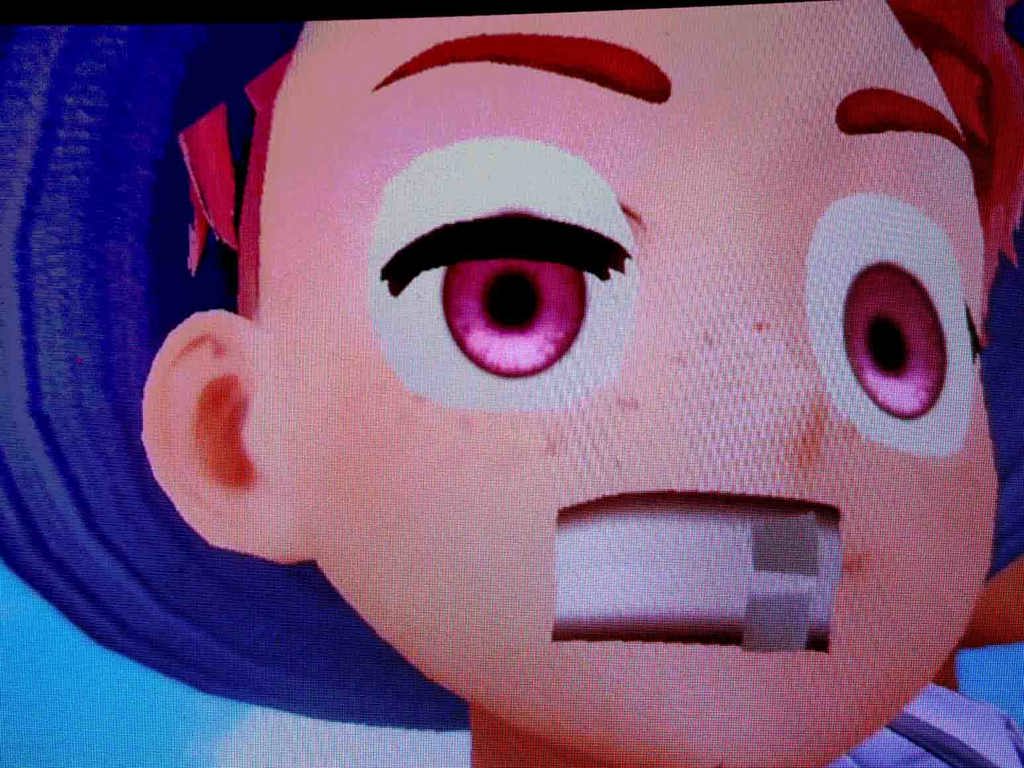
Scarlet and Violet launched in such an undeniably rushed state that they are perhaps the most unpolished first- or second-party Nintendo titles in the company’s history. Firstly, the games are irredeemably ugly, with low-quality textures and an inconsistent lighting system plaguing the game’s look.
Worse yet, the game is filled to the brim with bugs and glitches, potentially enough that most of a player’s joy will derive from laughing at the constant barrage of mishappenings occurring on-screen.
Of course, it’s not quite as joyous when you remember you spent $80 CAD on the game, but I digress. The game’s crash-causing bugs aren’t quite as funny either.
A year later, the games still run awfully, yet Game Freak is releasing paid DLC for the titles rather than putting in any significant effort to fix their glaring issues. The games’ unfinished state remains consistent in the DLC, with some claiming that it runs even worse than the original release.
After all, the Pokémon series is a cash cow for its executives, and as long as it continues selling, they will continue to churn out increasingly unpolished annual releases. Unfortunately, by doing so, they’re abusing a once-respected franchise that is still beloved by millions of gaming enthusiasts today.
It’s a terrible shame to watch the scarily fast downward spiral of this franchise, but it’s clear that its executives no longer care about putting out high-quality titles, they only care about turning a consistent profit. Of course, they’re running a business, and the purpose of a business is to make money, but compare this to the development of a project like The Legend of Zelda: Tears of the Kingdom – which was delayed by one year purely to ensure the game was free of bugs and polished to perfection – and you can see the clear lack in care behind Pokémon.
The team behind Zelda clearly honours their franchise and works with passion to ensure they release a high-quality product. The philosophy behind Pokémon seems to be as simple as making sure their next game releases before Christmas.
The Pokémon Company COO Takato Utsunomiya recently talked to The Guardian about his hope of keeping the franchise alive for centuries to come. What he doesn’t realize is that the franchise’s current state of quantity-over-quality releases isn’t going to be sustainable for that long.