
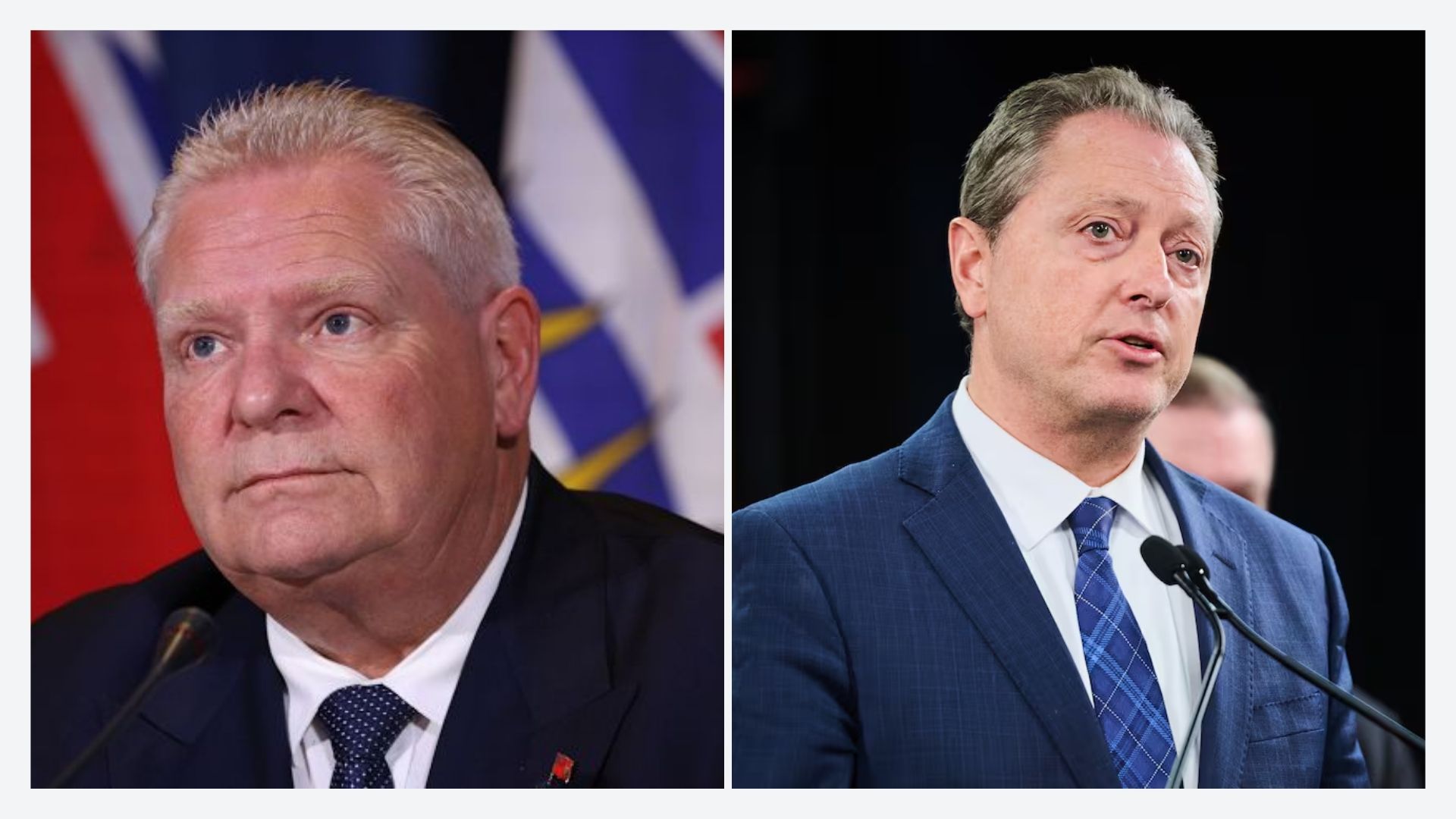
On March 13, the Government of Ontario announced plans to amend the Freedom of Information and Protection of Privacy Act (FIPPA), a provincial law that regulates public access to government records and the protection of personal information held by provincial institutions. The proposed legislative changes are expected to be introduced when the Ontario legislature reconvenes on March 23.
The amendments would alter how access-to-information requests function under the Act and change which government records are accessible to the public. The proposal includes excluding records held by the offices of the premier, cabinet ministers and their political staff from the scope of the law, meaning those records would no longer be obtainable through FOI requests.
The proposal also included extending the standard deadline for institutions to respond to FOI requests from 30 calendar days to 45 business days (approximately 63 calendar days).
The proposal announcement states that the reforms are intended to strengthen cybersecurity requirements and privacy protections across public sector organizations including hospitals, school boards and other provincial institutions.
FIPPA was enacted in 1987 and governs access to records held by provincial ministries, agencies, boards, commissions and other public institutions in Ontario. The law establishes a process through which members of the public, journalists, researchers and organizations can request records held by government institutions.
Under the current system, individuals may submit a FOI request to a public institution, which must respond within 30 calendar days unless the institution claims a permitted extension. If access is denied, the requester may appeal the decision to the provincial oversight body responsible for administering the legislation.
The Act contains several existing exemptions allowing institutions to refuse disclosure in certain circumstances. Records related to cabinet deliberations, law enforcement investigations, personal information and certain commercially sensitive materials may be withheld if disclosure could cause harm or violate privacy protections. Despite these exemptions, communications and records held by ministers’ offices and political staff can currently fall within the scope of the Act if they relate to government business and are under the control of a public institution.
Oversight and enforcement of the legislation are carried out by the Information and Privacy Commissioner of Ontario, an independent officer of the provincial legislature. The commissioner has the authority to investigate complaints, review decisions by government institutions and order the disclosure of records where appropriate. The office also monitors compliance with privacy rules governing the collection, use and disclosure of personal information.
Prior amendments to the Act took effect in 2025, following the passage of Bill 194, Strengthening Cyber Security and Building Trust in the Public Sector Act, 2024. Those reforms added requirements for public institutions to report significant privacy breaches to the commissioner, to conduct privacy impact assessments before implementing certain programs involving personal data and to strengthen safeguards for information stored or processed using digital technologies.
The 2026 amendments were stated by the government as a continuation of efforts to modernize the legislation and adapt it to technological changes and cybersecurity concerns.
According to the statement released by the Ontario government, the proposed amendments are intended to align the province’s access-to-information framework with practices in other jurisdictions and allow cabinet members and political staff to engage in candid internal discussions when developing policy.
The proposed changes have prompted criticism from several organizations and political figures who argue that the amendments could reduce government transparency. The Information and Privacy Commissioner of Ontario, Patricia Kosseim, expressed concern that the proposed exclusion of records from political offices could prevent the public from accessing information about government decision-making. The commissioner stated that the change could remove an important oversight mechanism and limit the public’s ability to obtain information held by the offices of the premier and cabinet ministers.
An article by CBC notes that opposition parties in the provincial legislature, including NDP Leader Merit Stiles and Ontario Green’s Leader Mike Schreiner, have criticized the proposal, arguing that freedom-of-information requests have historically played a significant role in uncovering information about government policy decisions and political controversies.
Additionally, Liberal MPP Stephanie Smyth questions “what’s Doug Ford hiding? Is it his phone records? The ongoing RCMP investigation into the Greenbelt scandal? Evidence that taxpayer dollars were handed out to insiders through the Skills Development Fund? Or is he trying to get ahead of future revelations before Ontarians can uncover them?” Ultimately, Symth states, “it’s freedom of information, not freedom from information.”
Transparency advocates have argued that removing records held by political offices from the scope of the law could make it more difficult for journalists and the public to investigate how decisions are made within government. Furthermore, extending response deadlines and restricting access to political records may weaken the effectiveness of the freedom-of-information system.
Supporters of the proposed changes include various government officials. Minister of Public and Business Service Delivery and Procurement Stephanie Crawford said that the reforms are necessary to update legislation that is nearly four decades old which will ultimately “strengthen cyber security, protect cabinet confidentiality and ensure responsible modern governance.”
MPP David Smith also stated the amendments will ensure that sensitive political communications remain confidential while policies are being developed. The supporters of the amendments maintain that existing transparency mechanisms, including legislative oversight and the Information and Privacy Commissioner’s authority, will continue to provide accountability.
The proposal is expected to be debated in the provincial legislature. The outcome of that legislative process will determine whether the changes are adopted and how the FOI framework governing Ontario’s public sector will operate in the future.