

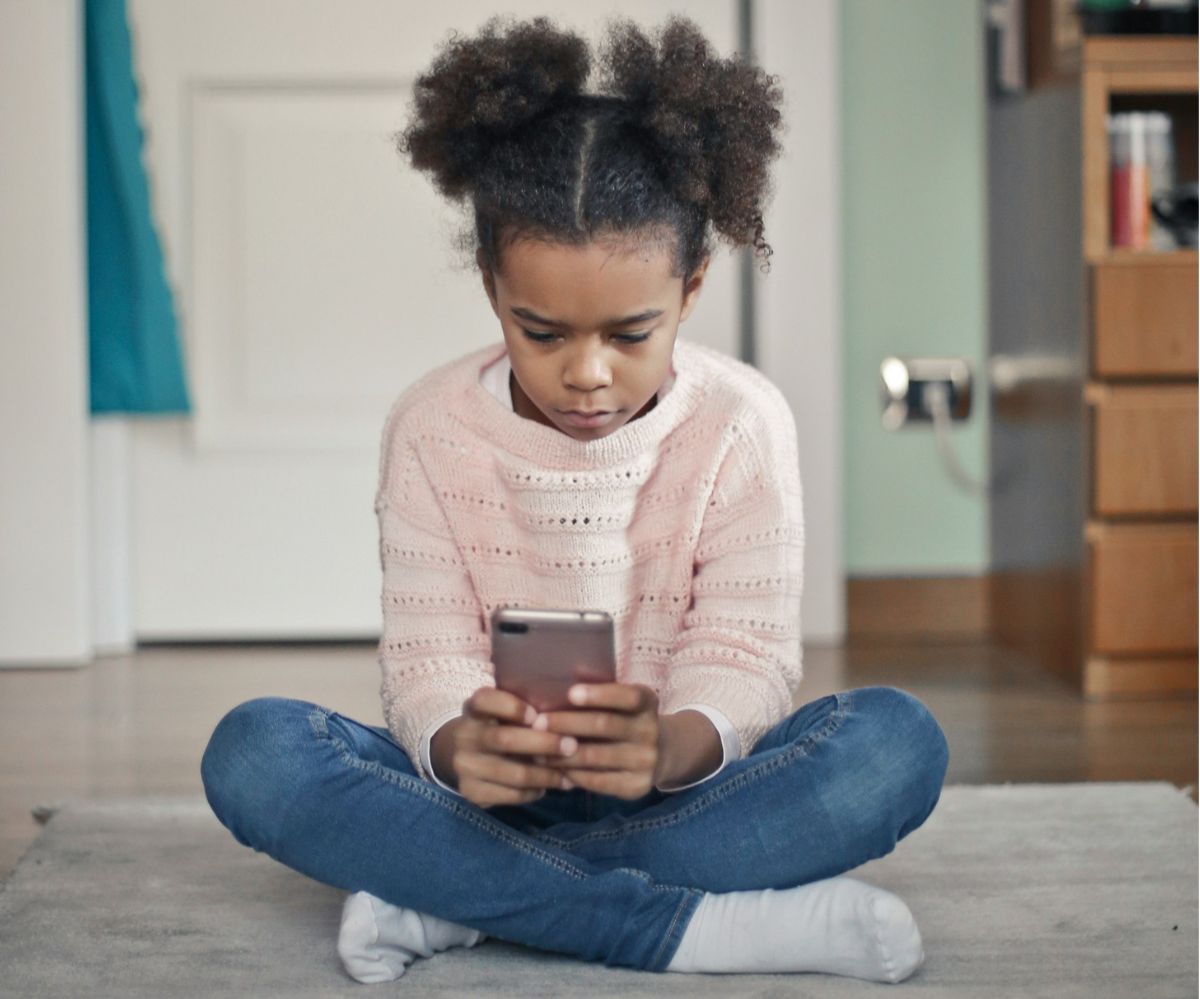
The internet and the abundance of online social media platforms is creating a culture of mindless scrolling, shorter attention spans, a lack of creativity and the disintegration of social skills.
I was almost impressed by the U.S.’ ban on TikTok. Sure, it was for ” national security concerns, children’s safety, and offensive content” reasons rather than protecting our kids from brain rot, but it made me hopeful, nonetheless. Then Trump put a reprieve in place, effectively unbanning it for now, “saving” it, much to the joy of millions of American zombie kids.
Scrolling culture has gotten so bad that now there are apps to help you stay off your phone. The irony! Some people do a so-called “cleanse” by deleting their social media apps — but interestingly, not usually their accounts — while others claim their addictions are under control. They can turn off their phones at any time… right? Wrong.
It’s not just the constant scrolling that’s turning our brains to rot — it’s the lack of looking up from our phones. In public, where do you look? Your phone, because, let’s be honest, it would be really weird if you were on a bus making eye-contact with strangers, and you would look forlorn and dramatic if you stared out the window. Where else can you look, around the bus? Wow, nice ceiling. Wow, look at that seat in front of me. I’m a totally normal human just observing these mundane things and I’m not at all nervous that I look high or silly or insane.
When you’re walking down the street and you’re passing by a person you don’t know, eye contact can be quite awkward. It’s often safer to pretend you’re doing something important on your phone. Maybe it’s the anxiety talking, but these days I think most people would agree that younger generations will take great steps to avoid awkward, anxiety-inducing and cringe-worthy interactions.
Which brings me to my next point: social interaction. The pandemic certainly didn’t help kids who were forced to stop socializing at critical points in their development. And what did a lot of parents do during this time, which they’ve continued doing because it’s easy and keeps their kids calm? Why, hand them a device, of course! And what do kids mostly do on devices? Watch stuff that turns their minds to mush.
Exhibit A: YouTube Kids.
Full of super short clips and “shows” with camera angle changes every three seconds or less, this app is super harmful to kids’ attention spans. Plus, the stuff on there is mostly meant to shock, humour or entrance kids. Well of course — it’s kids’ TV, you’ll be thinking. Yes, but it’s gotten so much worse. I remember my TV shows having concrete storylines: you could understand the episodes’ plots unravelling as they progressed. Shows like Bluey still give me hope, but CoComelon is a prime example of a show that makes you frown and think, what is this even about? I love characters and storylines and guessing the ending; better yet, I remember when kids’ shows had lessons. Now, it’s just about keeping your kid from throwing a tantrum, which is counter-intuitive since taking away their device often leads to meltdowns.
Onto exhibit B: Skibidi toilet.
What in the fresh hell is this? Seriously, I’d love to understand, but I think it’s impossible, because part of the appeal of the “skibidi” evil toilet video is the fact that it’s so absurdist. And that is the worst kind of humour — stuff that doesn’t make sense, that is so ridiculous and stupid you just get confused, and then you show it to your friend, and they get confused and they’re like, What the heck? Why are you showing me this? And you laugh because… because why? Because it’s stupid? Because you had the same reaction? Is it funny that people don’t “get it” even if there’s nothing to get? Is confusion itself funny? I’m confused, but I’m most certainly not amused.
Exhibit C: Zombification or “boredom is a crime.”
One of my favourite lyrics from any song is from Bo Burnham’s “Welcome to the Internet,” in which he states, “apathy’s a tragedy and boredom is a crime.” We are constantly on the look-out to keep from boredom. But boredom equals imagination. My favourite childhood memories were born from boredom: it grew my imagination, my creativity, it forced me to think and create, to experience the world, to explore. A person — especially a child — needs time to think, reflect, soak up information and experiences, to learn, invent and grow. You can’t do that if you’re a zombie watching clip after clip on TikTok or YouTube Kids. One 10 second clip, then a quick swipe and you’re onto the next one — videos don’t even wait for you to hit “play” anymore. Is this efficient or simply devious?
This scrolling culture is destroying our brains and making us miserable. And not to mention, there are extremely harmful aspects of comparison among young people on social media on top of the danger of scams and hacking, misinformation and more. Now there’s A.I. too, making artists more desperate for work and letting kids cheat on assignments.
I know it sounds like I hate social media and the internet… but that’s because I do.
I’m definitely going to be one of those cranky old ladies that just want her grandkids to get some fresh air and put down their phones, but I don’t think it’s crazy to not want to see toddlers and babies glued to iPads. The iPad kids are getting way out of control.
Social media is the new cable, the new drug, only so much worse.
Obviously in this day and age, you have to be tech savvy, and it pays to be popular on social media, but it can make you absolutely miserable. I’m currently off all social media except LinkedIn (it’s for career reasons, sue me) and it feels great.
We all need to put down our phones, form real connections and enjoy life. When was the last time you looked out the window and squealed with joy at the sight of a squirrel? Squirrels are adorable and awesome, and we need to appreciate them more.