
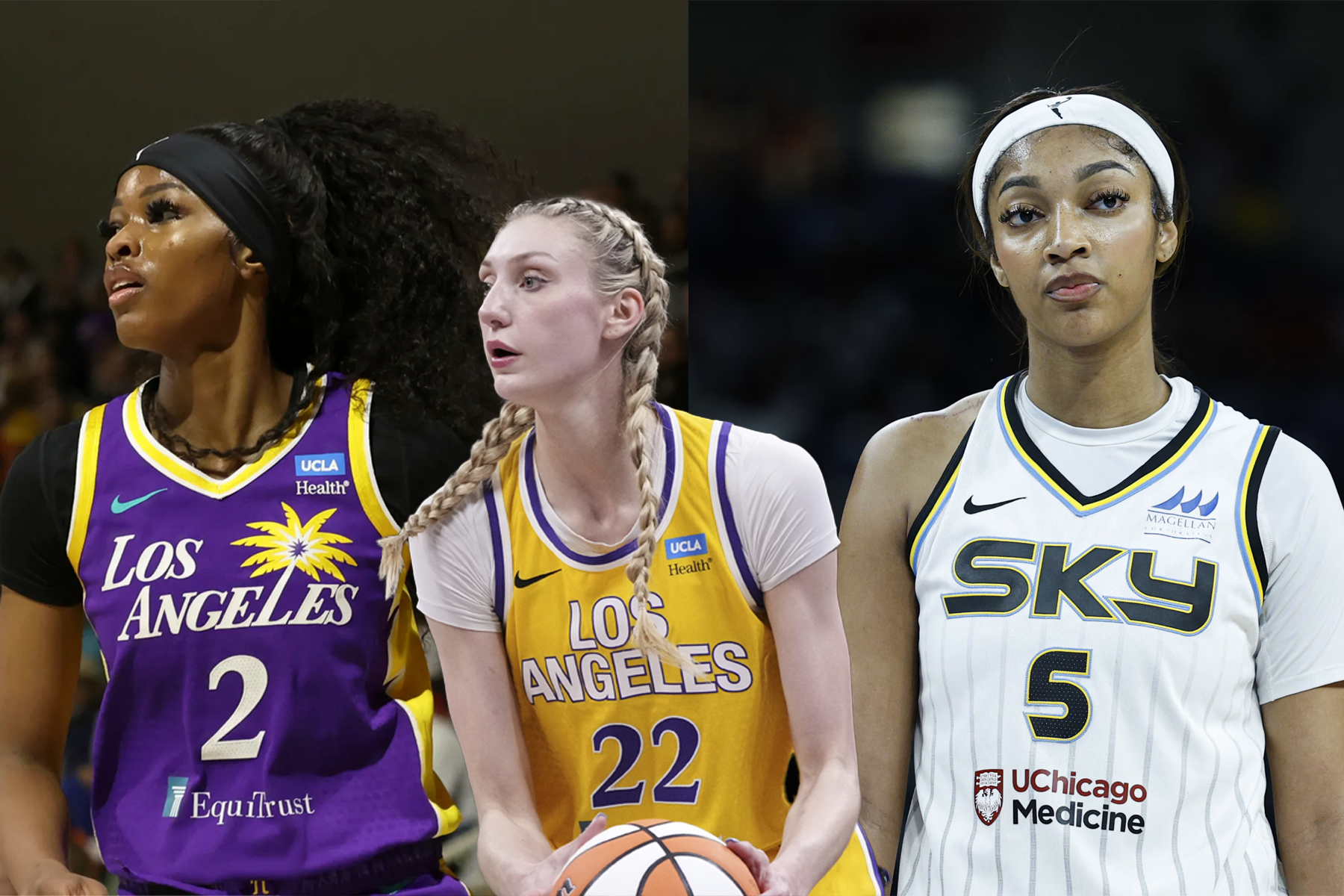
In women’s sports, visibility is often framed as progress. More broadcast deals, sponsorships and social media attention are presented as unquestionable wins after decades of marginalization. However, increased visibility brings a parallel demand that is far less discussed: protection.
For women athletes, exposure is not neutral. It arrives with intensified scrutiny, harassment and pressure to perform marketable identities, creating a double bind where being seen is both empowering and risky.
Visibility matters because it unlocks resources. Leagues like the Women’s National Basketball Association have demonstrated how media exposure can grow fan bases, boost attendance and create new income streams through sponsorships and endorsements. For many athletes, especially those outside global superstars, visibility is not about fame but financial survival. Without it, careers remain short, underpaid and precarious.
Yet visibility also exposes athletes to disproportionate harm. Women athletes are far more likely than men to face gendered harassment online, invasive commentary about their bodies and policing of their personal lives. Social media — while a powerful tool for self-promotion — doubles as a site of abuse that leagues have been slow to regulate. The same platforms that increase reach often offload responsibility onto athletes, expecting them to manage public-facing brands while absorbing the emotional cost of constant scrutiny.
This tension becomes especially sharp around issues of safety and privacy. Increased media access means closer cameras, more intimate storytelling and greater demands for emotional transparency. Athletes are encouraged to be “relatable” and “authentic,” yet punished when that authenticity disrupts norms around femininity, sexuality or motherhood. The demand is contradictory: be visible, but not too political; be confident, but not confrontational; be marketable, but not autonomous.
Institutional responses often lag behind exposure. At the collegiate level, particularly within the National Collegiate Athletic Association system, women athletes face heightened visibility through televised tournaments and social media virality without corresponding safeguards. Name, image and likeness (NIL) opportunities have expanded earning potential, but they also intensify pressures to self-brand, frequently without adequate legal, mental health or digital safety support. Visibility becomes individualized, while protection remains optional.
Globally, the double bind is even more pronounced. In international competitions governed by organizations like Federation Internationale de Football Association, women’s tournaments draw record audiences while athletes continue to fight for basic protections, equal medical care, safe training environments and freedom from retaliation when reporting abuse. Visibility can amplify injustice as much as it exposes it.
The core issue is that visibility is treated as an end rather than a condition that demands infrastructure. Media growth is celebrated as proof of progress, but protection is framed as secondary or reactive, addressed only after harm occurs. This imbalance places the burden on athletes to navigate risk individually, rather than on leagues to design systems that prioritize safety alongside exposure.
Women’s sports do not need less visibility. They need responsible visibility and structures that recognize that being seen increases vulnerability as well as opportunity. Until protection is treated as foundational rather than supplemental, visibility will remain a double-edged sword: necessary for growth but costly for those who bear its weight.