

Do you remember the Vines and viral jokes by Thomas Sanders? How about when popular creators like PewDiePie and Jacksepticeye first started on YouTube? What about the creativity that defined Ryan Higa and Zack King videos? What a time that was.
I’ve been using YouTube for over 10 years now. In fact, older (and more vulgar) Markiplier content taught me my first swear word in elementary school.
Remember when ads were less common, skippable in five seconds and only appeared once per video? When did creators bypass that skip button and partner with advertising companies in their videos?
In short, do you remember when YouTube was less about profit and more about creativity?
I started questioning this after learning about it in a Communications class here at Brock. We analyzed the role of advertisements in monetizing YouTube and shaping content. One of my biggest takeaways from that class was that it’s nearly impossible to become a popular content creator on YouTube in this modern age.
The platform doesn’t just regulate what content is acceptable — it indirectly controls what content succeeds. In order to meet the standards of a successful YouTuber, modern creators often have to shape their content to be appealing to advertisers and YouTube regulations.
But why is it so hard for smaller creators to compete? Is it even possible to build a successful channel without relying on ads?
And most importantly, how did that impact creativity?
There was a time when YouTube was a platform that profited from content creators coming up with ideas for videos. In return, YouTube became a space for these creators to express themselves.
I like to call those the golden years. But learning about this shift over time has left me with a disappointing realization: the golden age of YouTube is behind us.
Many creators that once used the platform simply to bring creative ideas to life now face the reality that maintaining a successful channel is harder to achieve.
A major turning point of this shift was the YouTube Adpocalypse.
In 2017, there was a major advertising crisis on YouTube where many large companies stopped placing ads on the platform. After discovering their advertisements were appearing next to “controversial” or “inappropriate” content, big brands like McDonald’s and Walmart pulled their ads entirely.
The result was a sudden drop in advertising revenue for creators, and YouTube needed to respond quickly. This led to a drastic change in how monetization worked.
Videos that were seen as unprofessional were demonetized — “to block (online content) from earning revenue (as from advertisements)” — and rules around what videos could be monetized became stricter. Advertisers also gained more control over where their ads appeared, implicitly setting a standard for what successful content should be for creators.
Eventually, YouTube regained the trust of large corporations and the crisis faded. But the flaws in their new monetization system never went away.
So, from all that change, what happens to the creators themselves? What happens to the people who helped build the platform in the first place? Can they continue to succeed?
Not long ago, someone showed me an old video by the YouTuber Ryan Higa, and it was one I really enjoyed. It was funny, thoughtful and creative. But when I looked at the upload date, I realized it came out nine years ago. I asked him, “why not show me any of his new stuff?”
It turns out that Higa quit YouTube years ago.
Ryan Higa was one of the earliest YouTubers, starting his channel in 2006 shortly after the platform first launched. He was the first YouTuber to reach two million — and eventually three million — subscribers.
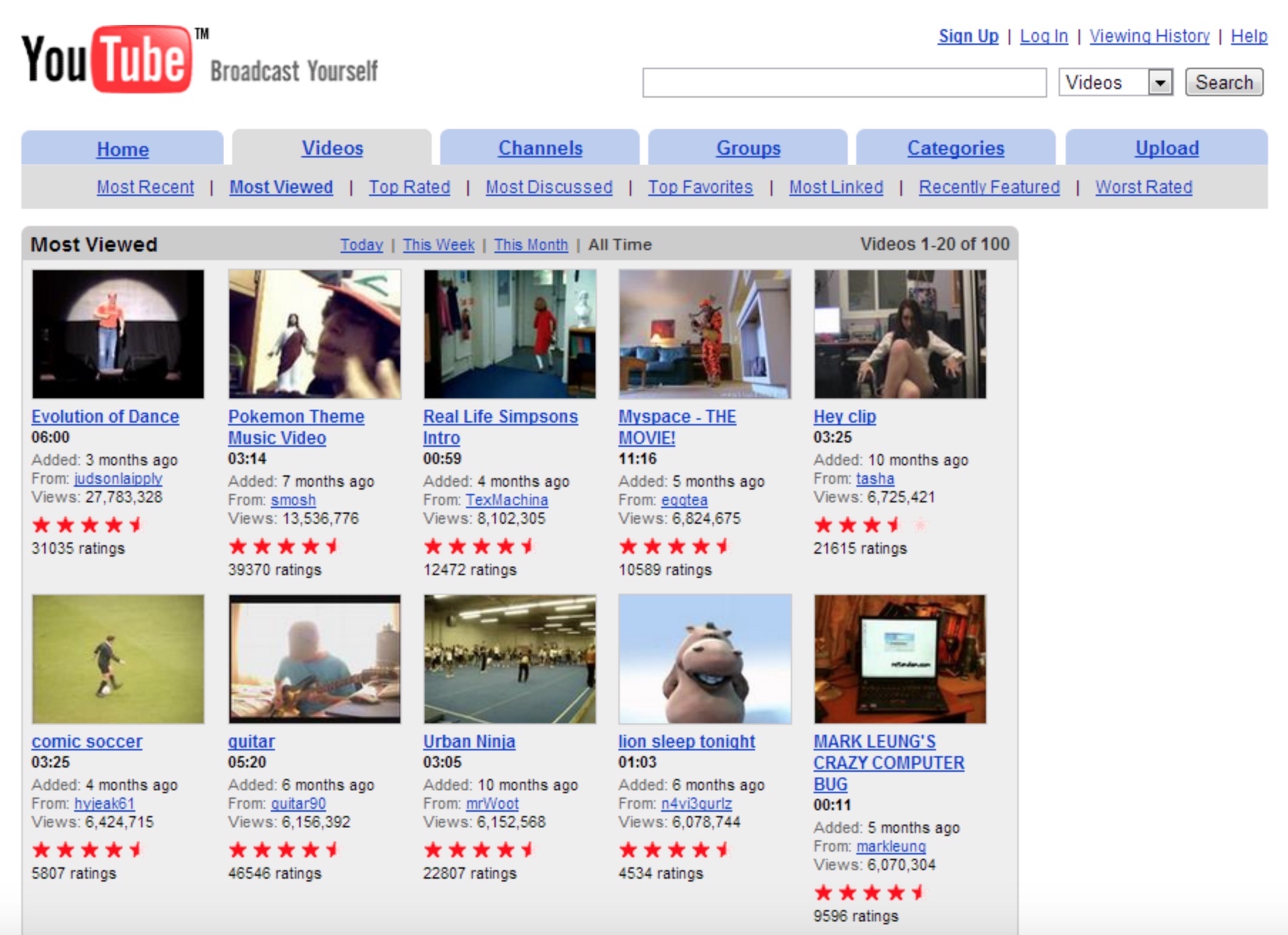
At that time, YouTube’s slogan was simple: “Broadcast Yourself.” Higa’s content and character embodied that idea perfectly.
He prioritized quality over quantity and often discussed how YouTube allowed him to create videos that he was genuinely excited about. Anyone who has watched his content can see how creative it was. His channel features skits, commentary, conspiracy theories and a variety of styles from his peers. What made Ryan unique was that he was always trying something new.
Unfortunately, he was forced to face the platform changes like every other content creator.
As YouTube’s new structure grew stronger and stricter, creators like Ryan began to feel the pressure to adapt. Suddenly being different was a risk. Creativity was no longer profitable. And “broadcasting yourself” no longer felt possible.
In fact, YouTube quietly removed their famous slogan from its homepage and branding, signalling that the platform was shifting towards policies and algorithms to satisfy the root of their profits: the advertisers.
As Ryan’s past videos became demonetized more frequently, he felt he had to choose between continuing to make his content, even if it wasn’t successful, or adapting to a new system that ignored his values.
He spoke openly about how this affected him.
“I just wasn’t having fun making YouTube videos. I found that, like, I wasn’t creating things that I was happy about,” Ryan said on his podcast.
He explained that the changes to YouTube’s policies, algorithms and culture created new challenges for him, including burnout, creative blocks and a general dissatisfaction of where the platform was headed.
“I was holding back so many different things that I really wanted to make; I was just too afraid to do it.”
Ryan found himself making videos that worked with the algorithm rather than videos he was excited about. And eventually, his passion faded.
Ryan Higa stopped uploading to his main channel on April 24, 2020. Since then, he has moved toward Twitch streaming and podcasting, occasionally talking about the platform he once relied on.
“I missed creating new things that I haven’t done and the feeling of […] growth and doing more, and improving.”
However, not every YouTuber struggled with these changes. Some creators have adapted successfully, but it’s a pattern.
Many popular videos today follow very similar formulas. Once a certain style or idea succeeds, everyone hops on the trend. Think about it: how many hot wing challenges have you seen? How many creators jumped on “Among Us” when it exploded in popularity during the COVID-19 pandemic?
Now, we see less experimentation with new ideas. Creators often feel pressured to repeat content that has already proven successful because it’s profitable and acceptable for ad integration. That’s where creators like Ryan Higa suffered the most — because what made them unique was their willingness to try something different.
As viewers, we’re left with two choices.
We can accept this new version of YouTube, or we can question it.
What’s wrong with creativity? At what point did the line between controversial and acceptable content become so gray? Can a new creator become successful without relying on ads?
And most importantly, can YouTube become a platform where we can “broadcast ourselves” again?
In my opinion, the future of YouTube feels unpredictable — and a little bleak. The rise of A.I. is another modern trend that limits creative potential.
But what I truly miss is when ads didn’t control a platform that was built on creativity. I miss the golden years of YouTube.
And sadly, they might never come back.