

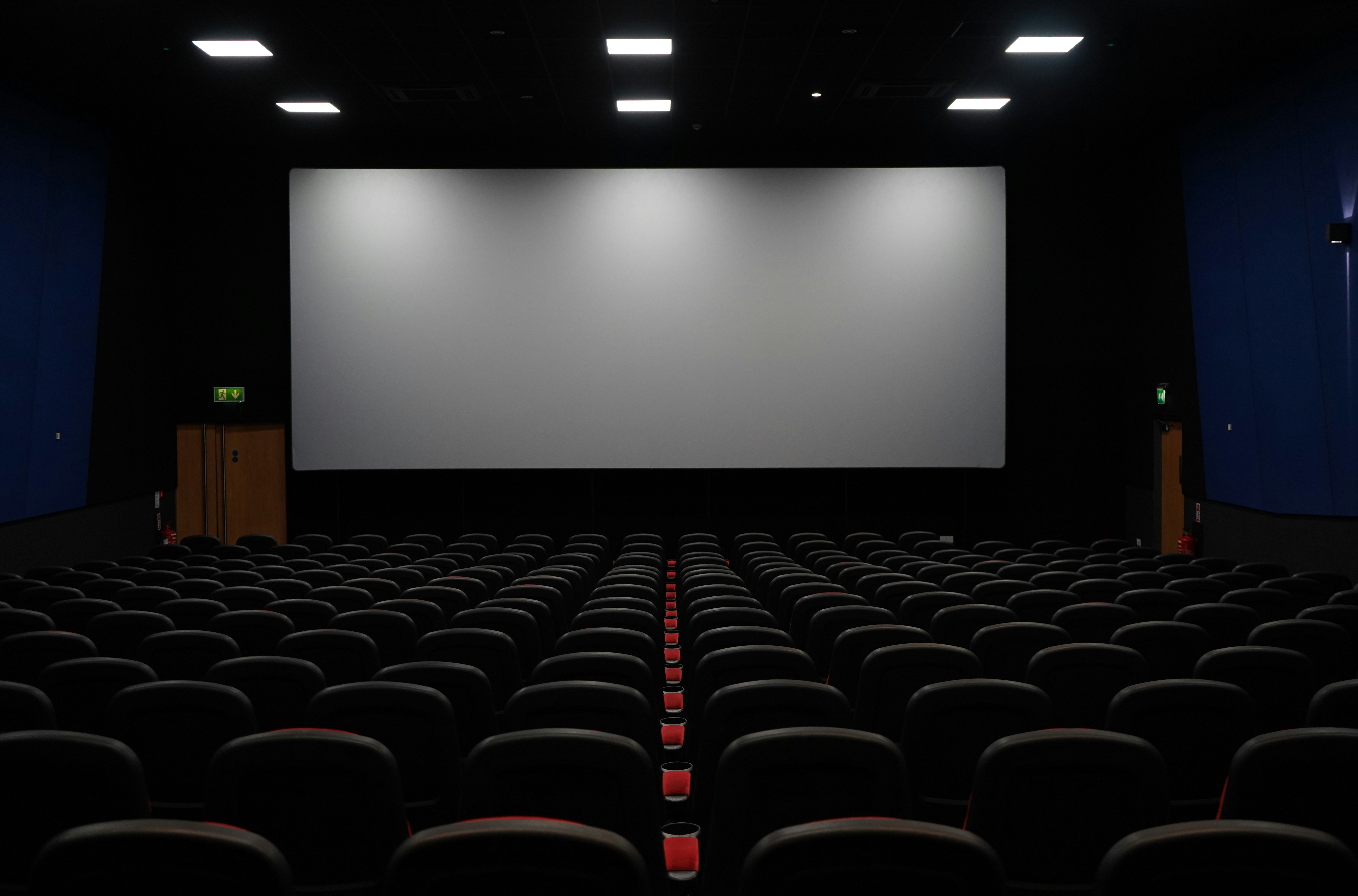
The movie theatre provides a better watching experience than at-home streaming services precisely because of its perceived inconveniences.
While the two are not fully comparable since streaming services offer a wider variety of media that is always viewable, when the two compete on new movie releases, the theatre reigns supreme.
Being forced to put away your phone and watch a movie in one sitting actually makes the experience better. Like most young people, I sometimes struggle with my attention span being lower than I would like, and that in turn makes streaming movies difficult.
The sheer convenience of skipping ahead, pausing or even turning off the movie makes the experience feel less impactful and more like background noise in my living room, as opposed to an intentional experience.
With the theatre, the act of finding your seat and getting comfortable, followed by the darkening of the lights and silencing of your phone, makes the experience feel like a meditative ritual.
Preparing you to dedicate a significant chunk of your attention solely to watching a movie makes the theatre a better experience by helping moviegoers escape reality and submerge into the realm of film.
The cost of seeing a movie in the theatre also makes the experience better as viewing becomes more intentional. The cost of a movie can range between $5 to $20, depending on the theatre and the film.
While an argument can be made that the movies you pay to see in theatres tend to be ones that you would’ve found interesting anyway, it’s worth considering that the movies you choose to watch on streaming services are also the ones that you probably would’ve found interesting.
For me, the act of spending money on a movie isn’t merely a monetary exchange, but a bet with myself to see how much value I can extract from the film — to find that one line or scene that can make even the worst produced film a worthwhile experience.
The meaning of a movie is entirely subjective, but the act of spending a bit of money makes my choice even more impactful, firmly drawing my attention to the film.
Additionally, the movie community has grown to the point where movie releases themselves have become a sort of cultural event. The return to widespread excitement for film releases is marked by the 2023 Barbenheimer cultural moment, but regardless, it really does feel like fans have returned in full to the movie watching experience.
The anime community has been a major proponent in two releases so far this year, with fans excitedly hyping up the latest Demon Slayer Infinity Castle and Chainsaw Man: The Reze Arc Movie. Particularly, the Chainsaw Man film has created an explosion in online fandom discussions and engagement.
People may argue that films solely released on streaming services such as K-Pop Demon Hunters received similar online reception, and they would be right. However, what makes theatres unique is how they can turn online hype into real world connections.
People dress up in cosplay to watch their favourite characters on screen, get together with their friends to do silly things like wearing suits to see a specific movie and hundreds of people at various stages of life pile into theatres to see adaptations of stories that had at some point meant a lot to them, like with Five Nights at Freddy’s.
Even the more devious examples like the Minecraft chicken jockey meme can be seen as people taking an online sentiment and exercising it in real life with total strangers.
More than anything, theatres remind you that you are not alone in your tastes. Modern life can be isolating, and many people use stories as a way of finding meaning and connection.
So, when hundreds of people take the time to go out, wear elaborate cosplays and pay to tune out of the digital world just to watch a movie, it’s a reminder that we aren’t that different from others in our admiration and appreciation of the human experience up on the big screen.