

The 2026 award season has kicked off with the ever-chaotic Golden Globes.
To first-time viewers, the 83rd Golden Globes may have seemed unusually messy or even unprofessional. However, this came as no surprise for seasoned watchers. A glamorous dinner party fueled by unlimited Moët & Chandon champagne is particularly engineered to produce headline making moments every year.
Perhaps the most defining element of any Golden Globes ceremony is the host. After Ricky Gervais’ 2010 turn at the podium, the role shifted dramatically from polite banter and safe jokes — à la Oscars — to something closer to a full-blown roast of Hollywood’s elite.
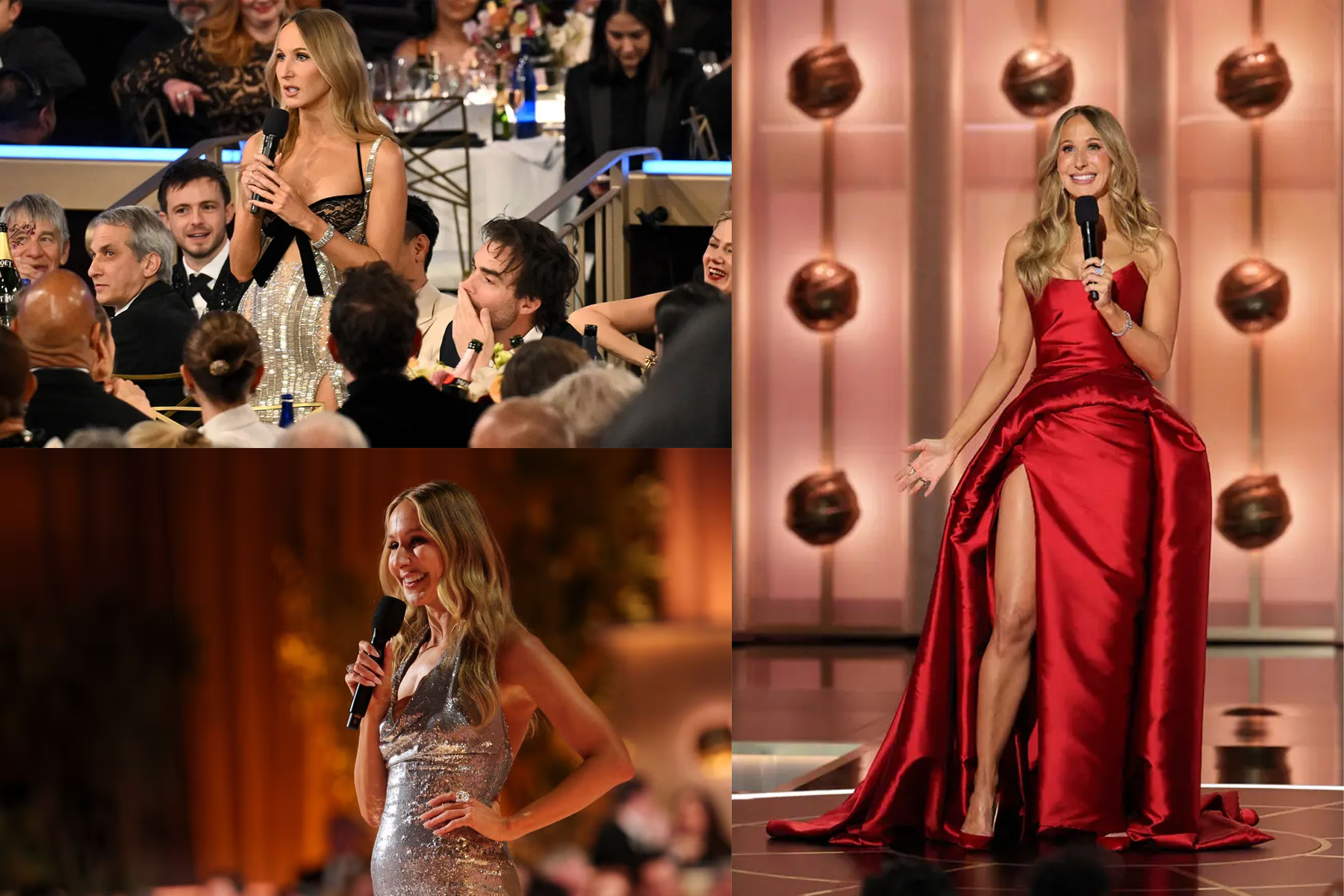
Following the success of the previous year, Nikki Glaser returned for her second stint as host. Glaser’s brand of stand-up comedy is sharp, deliberate and unapologetically confrontational, and in a room like this, that precision matters.
With experience honed through multiple Comedy Central roasts — including the likes of Alec Baldwin, Rob Lowe and Tom Brady — Glaser has mastered the art of crafting jokes that feel surgical rather than sloppy, and biting without overstaying their welcome.
Her opening monologue wasted no time, touching on Epstein related controversies and making pointed jabs at Globes’ broadcaster, CBS News. From there, she moved effortlessly through the room, filleting A-list actors like George Clooney, Jennifer Lawrence and Timothée Chalamet, who arrived with his partner of three years, Kylie Jenner.
Most memorable were her jabs toward Leonardo DiCaprio — which once again resurrected jokes about his dating life — while lamenting that she tried to write other jokes but found it difficult as no one knows anything else about the One Battle After Another actor.
Even after her monologue, Glaser kept the night alive changing into countless beautiful gowns and even providing an entirely self-deprecating and committed rendition of “Golden” from best animated picture winner KPop Demon Hunters before being stopped by Marty Supreme star Fran Drescher.
While the host sets the tone, the presenters can also raise the energy of the room, like when Heated Rivalry stars Hudson Williams and Connor Storrie presented the award for best supporting female actor in a TV series. Other notable presentation moments came in the standing ovation Julia Roberts received when she walked on stage to present the award for best picture musical or comedy.
Beyond the roasts and guest presenters, the Golden Globes are an awards show first and foremost. Unlike the Emmys or the Oscars, which dedicate their entire runtime to a single medium, the Globes extend their reach by honoring both film and television.
Starting with television, 2025 proved to be a strong year overall, though the winners largely mirrored the outcomes of the 2025 Emmys. The Pitt took home best drama series, The Studio won for best comedy and Adolescence once again swept the limited series categories. It seems the lone deviation came in the best actress and drama category, where Rhea Seehorn earned the award for her role in Apple TV+’s newly released Pluribus.
Notably, in his acceptance speech, Seth Rogan joked that the only way he thought he would win a Golden Globe is if he wrote it into his show (The Studio).
While television awards often feel like a victory lap of the previous year, the film categories always carry higher stakes. As the official kickoff to award season, the Globes have long been known to shape or derail Oscar momentum. Determining which performances enter the Academy’s nomination ballot and which fade out before making a splash.
Unlike the Oscars, the Globes divide the film awards into two categories: Musical or Comedy, and Drama. While critics remain divided on how films are sorted into each, the split allows less traditionally “prestigious” projects a chance to share the spotlight.
Even with 2025’s crowded slate of blockbusters and indie darlings, the best motion picture winners felt largely predictable. Hamnet and One Battle After Another took home top honours in their respective categories, solidifying their status as major contenders heading into the Oscars.
The performance categories followed suit. Timothée Chalamet won Best Actor in a Motion Picture Musical or Comedy for his role in Marty Supreme, while Wagner Moura claimed Best Actor in a Drama for his role in the Brazilian film The Secret Agent. Hamnet continued its strong night with Jesse Buckley winning Best Actress in a Drama, while Rose Byrne earned Best Actress in a Musical or Comedy for If I Had Legs I’d Kick You. Byrne’s speech was especially memorable; she began by stating she hadn’t prepared anything, and ended by thanking her absent husband who went to a reptile expo in New Jersey in search of a bearded dragon.
The night’s biggest surprise came from the best supporting actress category where Teyana Taylor claimed the award for One Battle After Another, beating out Ariana Grande for Wicked, or as Glaser put it in her opening monologue, “Wicked: For Money.”
New to the Globes this year is the introduction of the Best Podcast category, which went to Good Hang with Amy Poehler. While the awards addition shows just how casual and occasionally confusing the Globes boundaries can be, it also raised some questions about where the show might head next. Poehler is a long-time Globes favourite — having hosted the show four times with her SNL partner in crime, Tina Fey — but whether this award exists to honour new media or to reward familiar faces remains uncertain. If nothing else, it opens the door for future pop-culture-based awards… Best Streamer, perhaps?
Regardless of who walked away with trophies, the Golden Globes once again succeeded in what they do best: setting the tone for award season, not through prestige or polish, but through spectacle, unpredictability, drunk celebrities and enough chaos to keep you watching.