

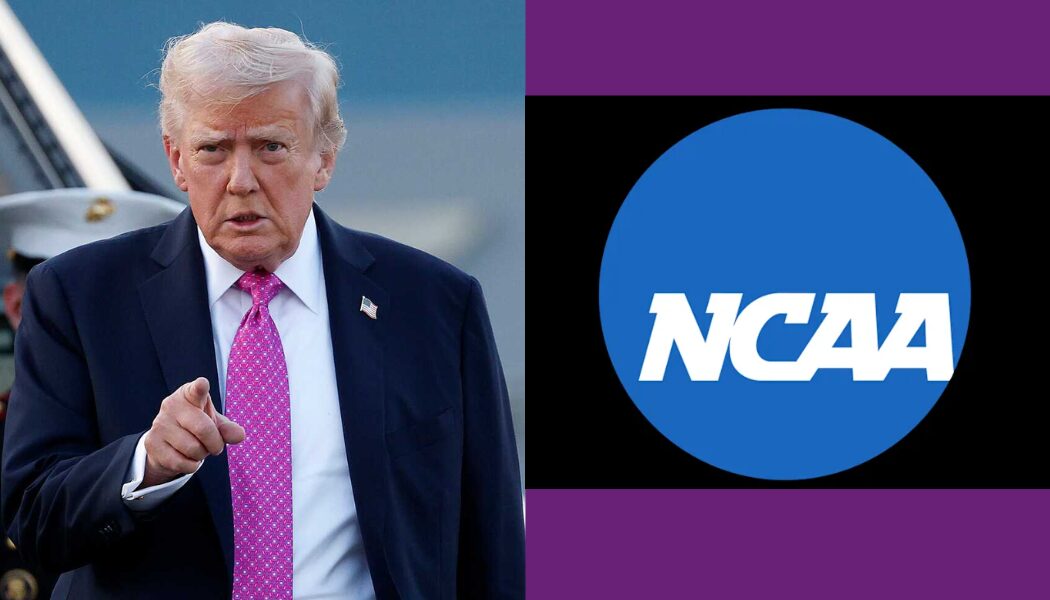
Debates about the relationship between politics and sports are not new in the United States, but recent comments from U.S. President Donald Trump have once again placed athletics at the centre of national policy discussions.
Speaking at a White House summit on college athletics in March 2026, Trump warned that the entire American educational system could face severe consequences if lawmakers fail to reform the rapidly changing financial structure of college sports. His remarks reflect broader concerns about how modern college athletics operates and who ultimately bears the financial cost.
The discussion is centred on the growing influence of Name, Image and Likeness (NIL) compensation, a system that allows college athletes to earn money through sponsorships and endorsements. Since 2021, when the U.S. Supreme Court’s decision in NCAA v. Alston helped open the door to expanded athlete compensation, college sports have undergone a dramatic transformation. Athletes can now receive significant payments through NIL deals, fundamentally altering the traditional amateur athletics model that long defined American college sports.
During the meeting with lawmakers, NCAA officials and sports executives, Trump argued that the current system is financially unsustainable for universities. He suggested that the cost of paying athletes, combined with evolving rules and legal challenges, could threaten the viability of college athletics programs across the country. At one point, he stated that “the whole educational system is going to go out of business because of this,” referring to what he sees as runaway financial pressures tied to athlete compensation.
Trump also indicated that he may issue a sweeping executive order intended to push Congress toward creating a national framework for college athletics. According to reports from the summit, the order could prompt legal challenges that would ultimately return the issue to the courts. The administration’s goal would be to clarify rules governing NIL payments and establish more consistent standards across states, many of which currently have different laws regulating athlete compensation.
One potential legislative solution discussed at the meeting was the proposed SCORE Act, a bill designed to provide the NCAA with limited antitrust protection and establish nationwide rules for NIL payments. Supporters argue that such legislation could stabilize college athletics by preventing a patchwork of state regulations and by limiting the legal challenges that have reshaped the industry in recent years. However, the proposal has faced political opposition and remains uncertain in Congress.
The financial impact of the new system is already being felt at some universities. Reports indicate that several athletic departments are operating with significant deficits as they attempt to adjust to rising compensation expectations for athletes. One example cited in discussions surrounding the summit was the University of Louisville, whose athletic department reportedly faces a deficit exceeding $12 million. Such figures have fueled concerns that smaller programs may struggle to remain financially viable.
Another concern raised by sports leaders involves the potential consequences for non-revenue sports. College football and men’s basketball generate most of the revenue that funds other athletic programs, including Olympic sports and many women’s teams. If athletic departments are forced to redirect larger portions of their budgets toward athlete compensation, administrators warn that these smaller programs could be cut entirely.
Trump’s comments illustrate how deeply intertwined sports, economics and politics have become in the modern era of college athletics. What was once framed primarily as an amateur educational activity now sits at the intersection of billion-dollar media contracts, athlete labour rights and federal policy debates. Whether Congress ultimately passes legislation or the courts again intervene, the future of college sports — and its place within the education system — remains an evolving and highly contested issue.