
The impacts of politics on sports have become increasingly apparent, particularly in the context of recent events involving the United States and Canada.
This month, U.S. President Donald Trump imposed a 25 per cent tariff on steel and aluminum imports on Canada, citing the need to protect the U.S.’s domestic industries. Canada’s Liberals, recognizing that Trump had started a trade war, responded with retaliatory tariffs totaling nearly $30 billion CAD on U.S. imports, encompassing a wide array of products including sports equipment. Canadian Finance Minister Dominic LeBlanc emphasized that these measures were necessary to safeguard Canada’s economic interests in light of U.S. actions.
The inclusion of sports equipment in the tariff list has direct implications for Canadian athletes and sport organizations. Increased costs for equipment such as hockey sticks, helmets and protective gear could strain budgets, particularly for amateur and youth sports programs that operate with limited funding.
Moreover, this financial pressure may lead to reduced participation rates, even potentially hindering the development of future Canadian athletes.
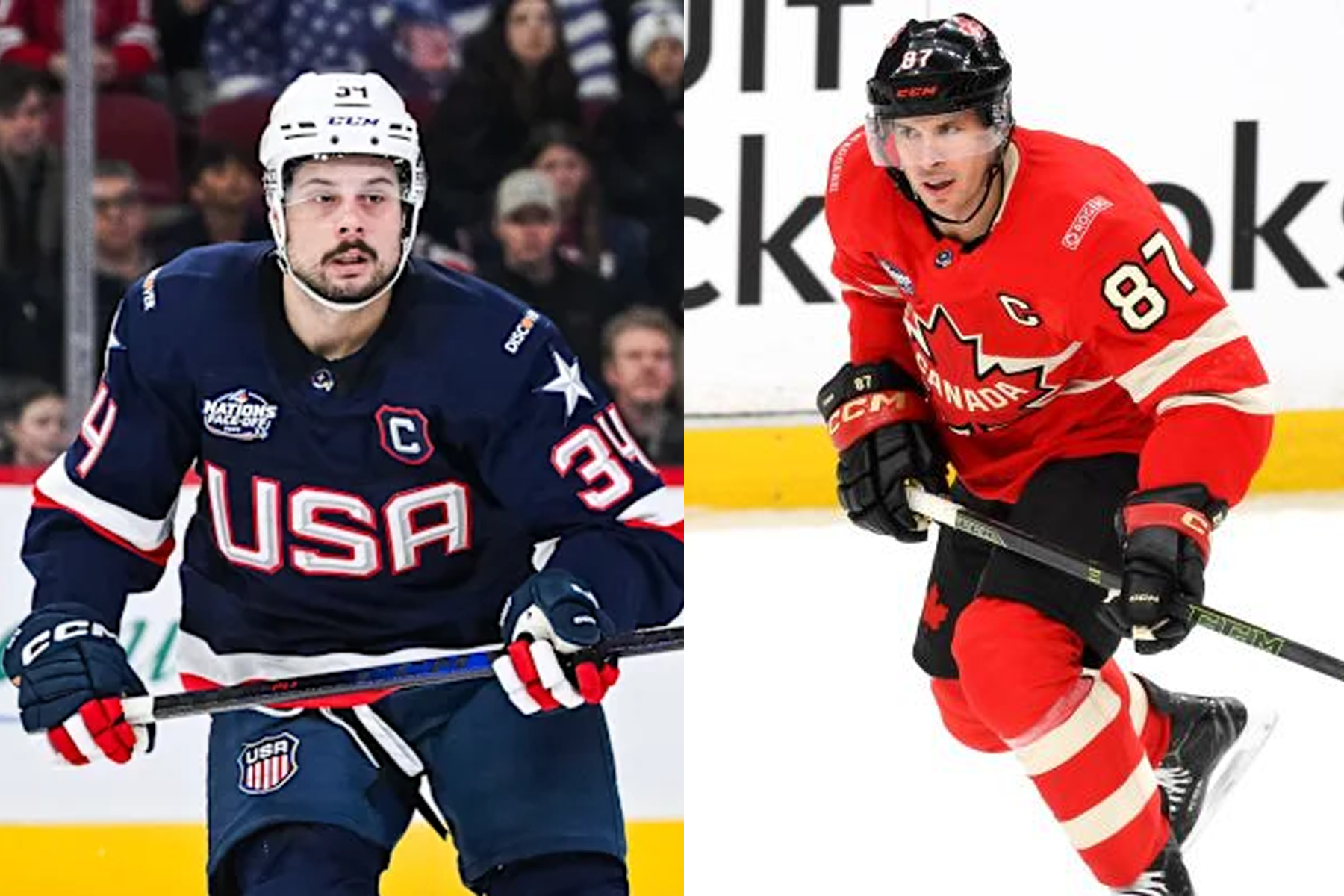
The political-economic tensions have now spilled into the cultural fabric of sports, intensifying nationalistic fervor between the neighboring countries. The example that’s made the most headlines in this respect was the inaugural 4 Nations Face-Off hockey tournament in February, featuring teams from Canada, the United States, Finland and Sweden. The tournament occurred amidst escalating political tension, notably Trump’s suggestion that Canada could become the 51st U.S. state — a proposal met with widespread condemnation in Canada.
The political climate heightened the stakes of the Canada-U.S. matchups. In Montreal, Canadian fans expressed their discontent by booing the U.S. national anthem before a game against the American team. This sentiment was reciprocated in Boston, where American fans booed “O Canada” during the tournament’s final.
This trend has proven to extend beyond hockey as well. At a recent Toronto Raptors basketball game, fans booed the American national anthem, reflecting the growing tensions after Trump’s imposition of tariffs on Canadian imports. Similar reactions were observed at NHL games in Ottawa and Calgary indicating a national unity in sentiment towards the actions of the U.S. government.
The political climate also influences the performance of national symbols. During the 4 Nations Face-Off championship game, Canadian singer Chantal Kreviazuk modified the lyrics of “O Canada” as a form of protest against Trump’s remarks about annexations. She changed “in all of us command” to “that only us command,” emphasizing Canadian sovereignty. Kreviazuk later explained that her alteration was a deliberate statement against abuses of power.
These incidents illustrate the deep impact political statements and actions can have on sports events. They not only shape the atmosphere in arenas but also influence the behaviour of fans, athletes and even national leaders. Political tension intensifies sports rivalries, and this is bad for both the integrity of competition and the sports culture. It shifts the focus from athletic excellence to political grandstanding, creating a divisive atmosphere where games become proxy battles for national disputed rather than moments of shared experience. Instead of uniting people through sports, these tensions create hostility, turning arenas into sites of conflict rather than celebration. The more politics infiltrate sports in this way, the harder it becomes to maintain the purity of competition, where respect, teamwork and fair play should be at the forefront.