
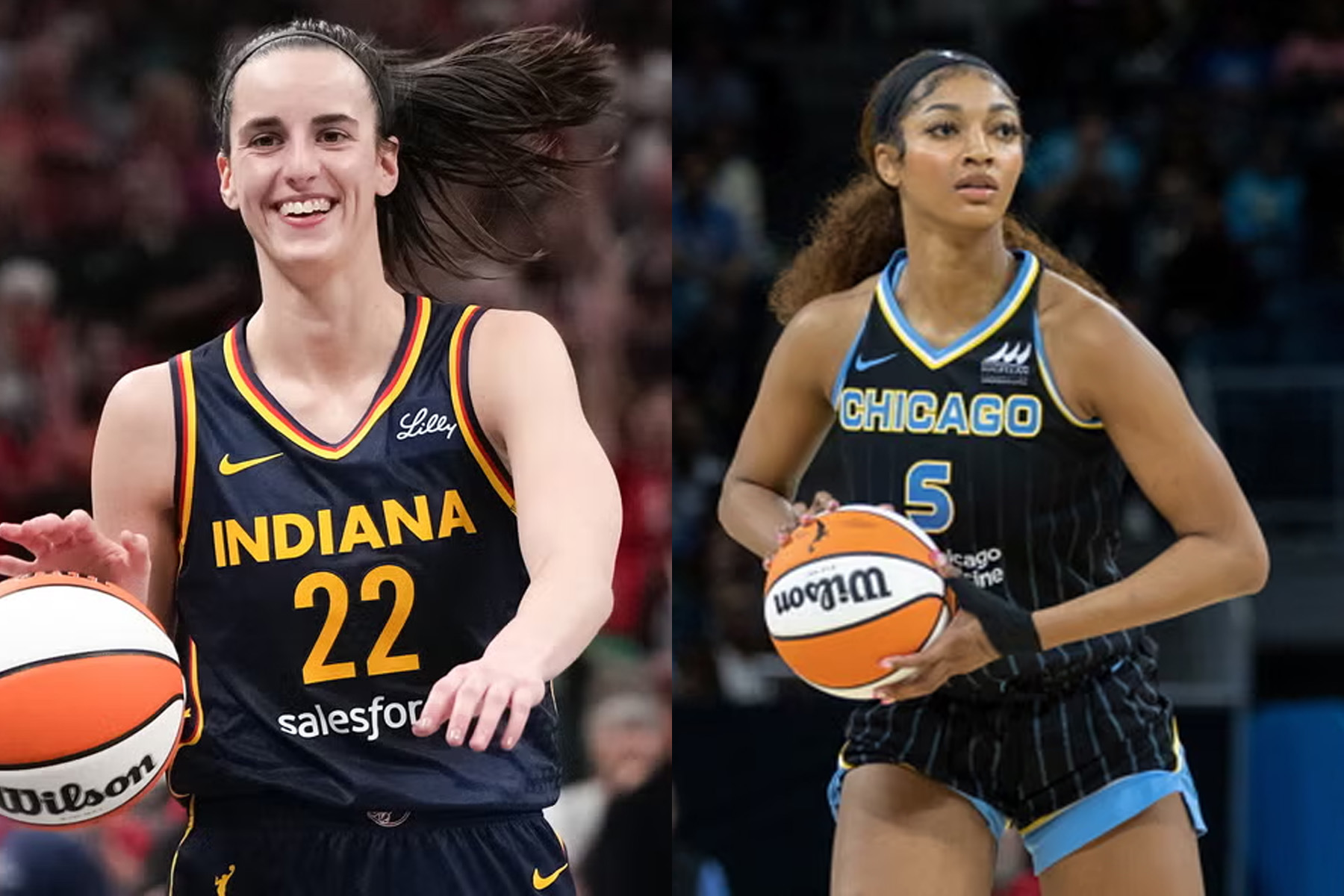
The financial reality for women athletes remains defined by a gap that has never come close to closing: the money that they earn from playing their sport is rarely enough to sustain a career on its own.
In most major leagues, a woman can compete at the highest professional level and still make a fraction of what a male athlete earns in the same position, forcing many to look beyond their contracts for financial stability. Salaries, prize money and revenue structures consistently favour men, leaving women athletes dependent on sponsorships, endorsements, offseason work and additional income streams that substitute for what their leagues do not provide. The imbalance is not a matter of effort or talent but of investment and valuation, creating a system in which women must piece together their livelihood around the sport they dedicate their lives to.
The gap is sharpest in team sports. In basketball, for example, the maximum salary available to a WNBA player remains a fraction of the NBA’s minimum contract. The disparity is not simply wide; it is structurally entrenched. League revenues, media deals, sponsorship distributions and ownership investment heavily favour men’s leagues, creating a system where women’s athletic labour is undervalued regardless of their performance level. A similar pattern exists in soccer, hockey, golf and other sports: even elite female athletes often earn lower base salaries and smaller prize pools than male athletes ranked far below them in their respective fields. The consequence is that being a top performer on the court does not guarantee a sustainable living.
Because of this, many women athletes rely on income sourced beyond competition. Endorsements and sponsorship have become the largest financial lifeline for most women in professional sports. Recent industry research shows that women athletes earn the majority of their income — far more than male athletes do — from personal sponsorships rather than from league pay. Their marketability, tied to authenticity, relatability and community connection, has allowed them to secure brand partnerships that often exceed what their teams or leagues can offer. Yet even this opportunity reflects a structural imbalance. A male athlete can make millions solely from his playing contract, while his female counterpart must cultivate a second, often full-time commercial persona to earn a comparable living. This dynamic has forced women athletes to divide their time between training, competing, promoting and content creation — commitments that men in the same profession are not equally required to maintain.
For athletes in less visible sports, the situation is even more difficult. Many earn $50, 000 USD annually from the sport itself, a figure that would be unsustainable without supplemental income. Some work part-time jobs, others rely on coaching, speaking engagements or social media partnerships. The financial precarity that follows women throughout their athletic careers affects everything from travel and training decisions to long term stability and retirement planning. It is a reality widely known within women’s sports and yet rarely acknowledged with the urgency it deserves.
Still, the growing commercial interest in women’s sport, rising attendance, rising viewership and a measurable increase in sponsorship value indicates that the economic model can change. Revenue in several women’s leagues has grown faster in recent years than in men’s sports, suggesting that the market is not inherently limited but historically underdeveloped. With greater investment, improved media coverage and equitable revenue structures, women could earn salaries that reflect their contributions rather than the outdated assumptions that have shaped pay for decades.
But at this moment, women athletes do not make their living on the court in the same way men do. They cannot, as their leagues do not pay them enough to sustain that possibility. Instead, they build careers through branding, sponsorships and external work that compensates for the financial gaps created by sport itself. Until systemic investment meets the level of performance and dedication women athletes already deliver, their earnings will continue to come from everywhere except the very games they elevate.