
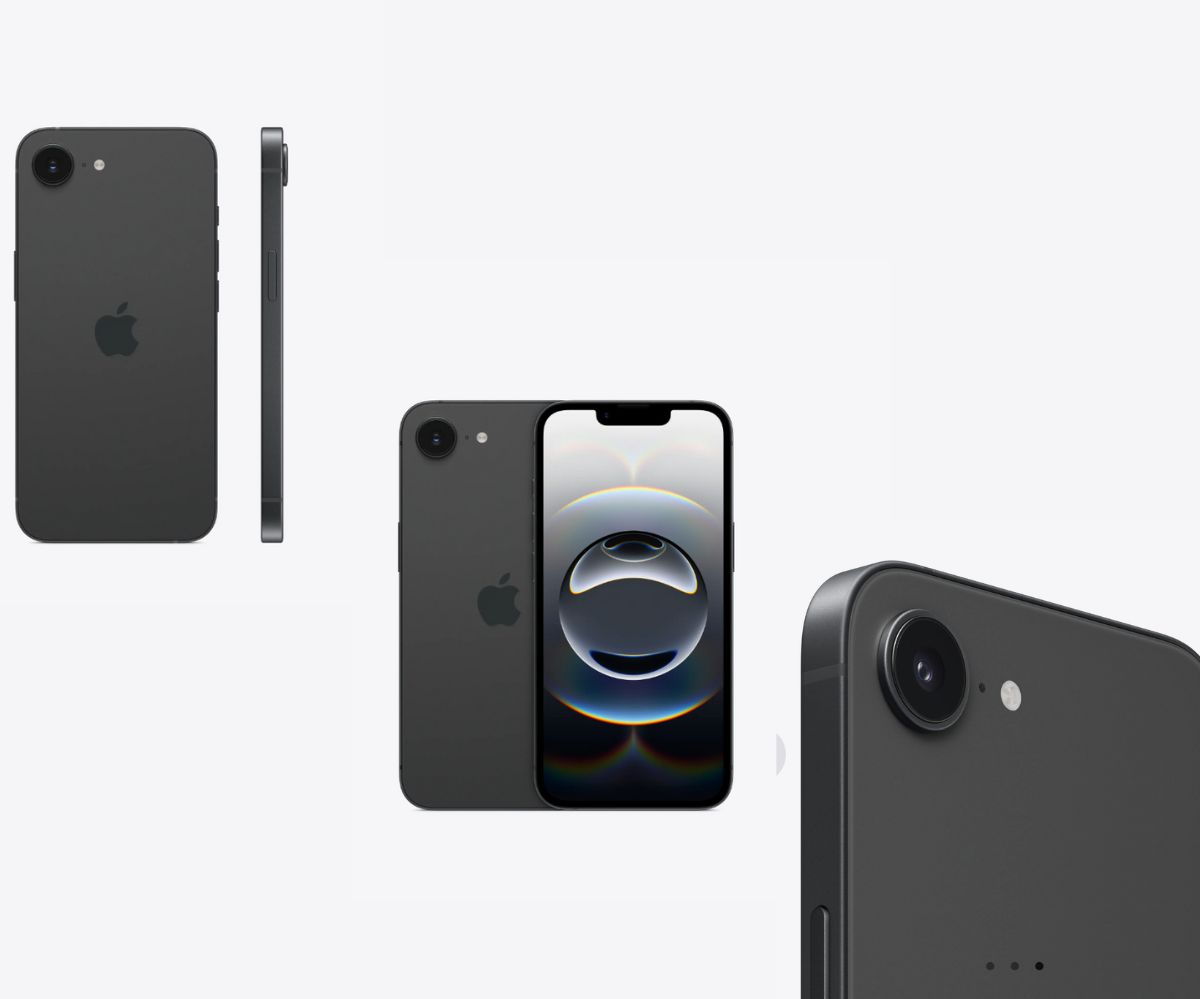
Cost-effective purchasers would be wise to avoid Apple’s new “budget” iPhone 16e.
On Feb. 19, Apple announced the iPhone 16e, a new addition to the iPhone 16 lineup. The phone is meant to be a budget option for consumers, cutting several of the features offered by the primary iPhone 16 and iPhone 16 Plus, as well as the flagship iPhone 16 Pro and iPhone 16 Pro Max.
A pseudo-successor to Apple’s now-discontinued iPhone SE lineup, the iPhone 16e removes the ultrawide camera that has become a staple on modern iPhones, as well as MagSafe compatibility, support for 5G networks, the Dynamic Island (which is replaced with the notch present on earlier models), the Camera Control button and the Ultra-Wideband chip that helps you locate your other Apple devices.
The only thing that justifies the 16e’s placement in the iPhone 16 lineup is the inclusion of the A18 processor, which is capable of running Apple’s A.I. program, Apple Intelligence. Other than that and an improved battery life, the phone is virtually indistinguishable from the two-and-a-half-year-old iPhone 14 in terms of features.
This might be a nice addition to the current iPhone lineup if the price were truly reflective of the product’s budget nature, but with a staggering starting price of $899 CAD for the 128GB model, it’s hard to make any argument for buying this phone when you could opt for an older and cheaper iPhone or simply look outside Apple for a better choice instead.
Let’s be clear: it’s nice that Apple is finally offering a phone capable of using Apple Intelligence at a price point less than $1000 considering the entry-level iPhone 16 sells for $1129 CAD. Yet, at this point, it feels as though Apple Intelligence is far too early in terms of its features to justify buying a whole new phone just to make use of it.
As of writing, Apple Intelligence is mostly just a collection of gimmicky A.I. features that feel generally unnecessary — things like rewriting emails for you, the ability to generate A.I. images and custom emojis called “Genmoji” in iMessages, and an improved version of Siri. It’s all pretty much stuff we’ve been seeing on various websites and computer programs for a couple of years; the difference is that it’s integrated directly into your phone now.
But as it stands, I’m not certain that this set of features justifies buying a whole new phone — at least not yet. While Apple Intelligence will undoubtedly grow its features over the coming years and might eventually become advanced enough to be considered a software necessity, we’re not even close to that point. Right now, those looking to upgrade should still be primarily focused on hardware features such as cameras, displays and processors rather than A.I.
People looking to save money on a new phone would be better suited keeping their eyes out for deals on models like the iPhone 15 or the now-discontinued iPhone 14. Even the iPhone 13, which is a few years old now, still runs very well and might be better if you’re hoping to upgrade on a budget.
For those hoping to save even more, it’s probably worth considering looking outside Apple’s product line, which is notorious for its high prices. Conducting some research on Android products will help you to find the right phone for you, although buyers should be warned that cheaper phones usually come with even more trade-offs.
Meanwhile, if you’re willing to shell out big bucks for your new phone, you should just go all the way straight to the main iPhone 16 or even consider the iPhone 16 Pro if you’re really looking for a product with all the bells and whistles. The iPhone 16 Pro has a higher refresh rate than the regular iPhone 16 and boasts the addition of a telephoto camera. It’s a lot of money, but it might be worth it if you’re really hoping to squeeze every drop of power out of your new device.
All in all, whether you’re looking to buy on a budget or get something capable of more, there are better options to buy than the iPhone 16e. It’s nice that Apple is keeping budget models in mind, but until they can reduce the price enough that it becomes worth it, you should probably continue searching elsewhere.