
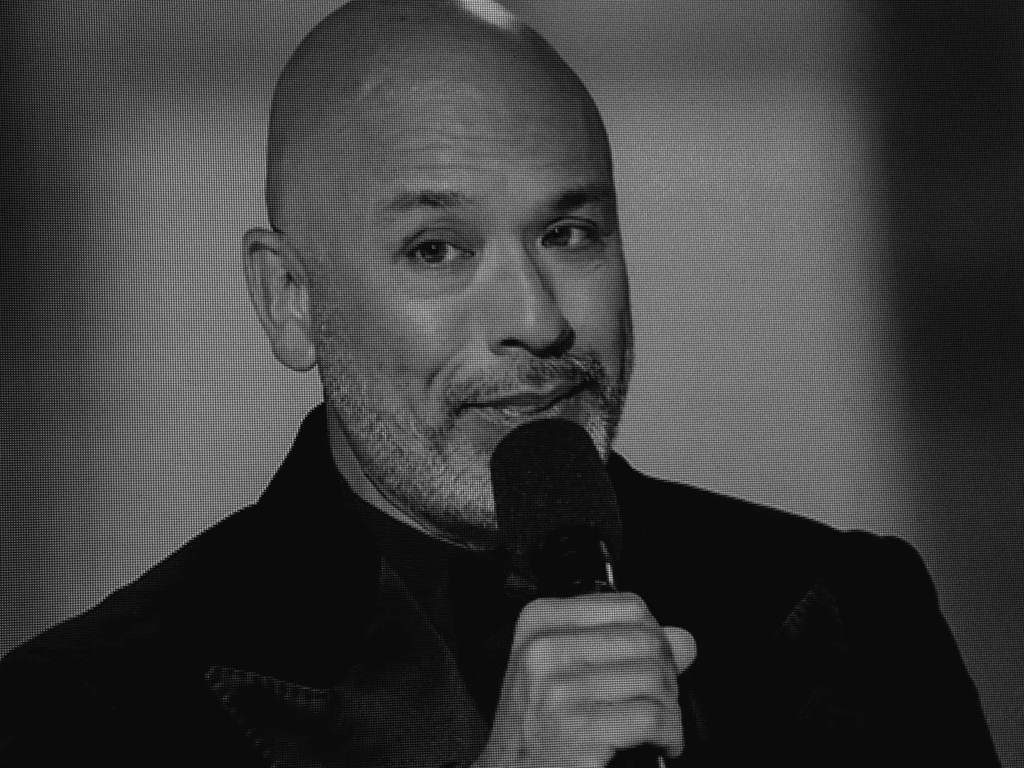

Jo Koy’s monologue at the 81st Annual Golden Globes was a painful display of attempted humour sullied by low-quality jokes with abysmal execution.
Since Koy hosted the Golden Globes on Jan. 7, the Internet has gone into a frenzy over several less-than-spectacular moments, with some criticising his Barbie joke for misogyny while others focused on Taylor Swift’s “deadly stare” toward the comedian after he made a joke about the NFL’s apparent obsession with her.
There’s a lot to be said about moments like these, but from a purely comedic perspective, there’s no denying that Koy absolutely bombed. Many of the jokes didn’t land with the audience, leading to several awkward silences, and it’s not hard to see why.
Feel free to watch the monologue in full, but be warned: the second-hand embarrassment from watching Koy “comedically” fumble his way around the stage might not be worth the watch.
Koy starts his monologue by pointing out some notable members of the audience, and he begins doling out compliments. We spend a moment hearing about how his mother would always assume Meryl Streep would win, and that she was always right. He reaffirms this before moving on about why he’s excited to host the Globes.
There’s nothing inherently wrong with complimenting audience members, but something’s off when Koy does it. It feels less professional; he sounds more like a fanboy oozing with excitement to meet his favourite actors at Comic-Con than a professional comedian hosting a huge awards show. He beams with excitement as he addresses his favourite actors and filmmakers, but this comes across as awkward, a sentiment echoed by a slightly uncomfortable-looking Meryl Streep as he comments on how wonderful she is.
After some decent quips about Oppenheimer’s length, Koy doles out his infamous Barbie joke. Again, while there’s a lot to discuss from a feminist perspective, the purely comedic perspective isn’t a lot better.
Koy’s joke comes across as a bit creepy – despite his assurance that he “doesn’t want [us] to think [he’s] a creep” – and even though he ends on a decent joke about Ryan Gosling’s attractive Ken, the joke just keeps going from there as he throws in follow-up quips after the punchline, likely to save the joke in front of a largely disapproving audience.
The monologue officially became irredeemable once Koy blamed a flopped joke on his writers, telling us “some I wrote, some other people wrote.”
Yikes.
Besides throwing his writers under the bus, Koy blaming a joke on his writing team shows cowardice onstage and makes him look unconfident. Compare this to former Golden Globes host Ricky Gervais, who unapologetically bashed his audience through controversial jokes that often define the Golden Globes today. By assuming a villainous role on the stage, Gervais took the power in the room and asserted dominance over his audience, making it clear that he would continue to joke at their expense regardless of their response. Koy, on the other hand, cowered down and allowed his audience to take control of the situation.
Things got even uglier when, in a moment of apparent frustration, Koy then says he “got the gig 10 days ago; you want a perfect monologue?,” before telling his audience to “shut up.”
Note that this isn’t taking a villainous role in the same way Gervais did. Gervais became the antagonist by evidently not caring what the audience thought of him, while Koy did the opposite: he cared about the audience’s reaction so deeply that he let it get to him, causing him to lash out in embarrassing and unprofessional fashion.
After reminding us that he didn’t write all of his jokes, Koy proceeds to express his excitement over Robert De Niro’s presence in the room. This is just more of what we heard earlier about Meryl Streep, but this time it goes on for 40 seconds. Koy acts like a fan that ran into De Niro on the street, and as a viewer, his giddy excitement quickly becomes uncomfortable. I can only imagine how De Niro himself might have felt.
After some elongated jokes about how “White people stole everything” and Barry Keoghan’s penis, we get more callouts to members of the audience. This segment begins to feel less like an award show with clever jokes and roasts, and more like Koy is playing a game of I Spy in which he tries to spot all of his favourite actors in the audience.
Koy’s monologue painfully moves forward, and he continues to make quips after punchlines in an attempt to resuscitate his failed jokes. All the while, he keeps pausing to visually scan the audience, possibly in an attempt to locate any semblance of someone enjoying themselves. These pauses, mixed with Koy’s half-baked quips, come across as desperate.
It was hard to not feel a bit sorry for Koy at this point in the monologue – being trapped on a stage with an audience who’s already decided they don’t like you, with three minutes remaining in your set must be a stressful feeling – but that doesn’t do anything to reduce the cringe factor.
The remainder of the monologue is filled with Koy defending himself and continuing to idolise Meryl Streep. Since the first time was apparently not enough, he continues going on about his love for her and has her cross her arms in a joke about “Wakanda Forever.” If Koy’s first set of Meryl Streep “jokes” hadn’t flopped, this might have been a fun callback to earlier in the monologue, but instead, we’re just reminded of the nonstop barrage of cringe that Koy is subjecting us to.
Finally, the monologue ends, and the audience can sigh in relief.
Koy’s monologue wasn’t just a “bad speech,” it was an embarrassment to comedy as a whole. His poor jokes, incessant fanboying over his favourite actors, defensiveness when jokes flopped and reminders that he didn’t write his own jokes made for one of the most painful comedy sets of all time.
If there’s anything we should take away from this year’s Golden Globes monologue, it’s that the host should probably have more than 10 days to put it together, and they should have more say over the jokes they tell onstage. Just ask Jo Koy: if he’s anything like he was at the Golden Globes, I’m sure he’d be happy to tell you all about it.