

Thursday, January 1, 2026
Brock's Only Independent Student Newspaper
One of the only worker-managed newspapers in Canada

$30 million of successful grants and funding reported by St. Catharines for 2023  

|
|

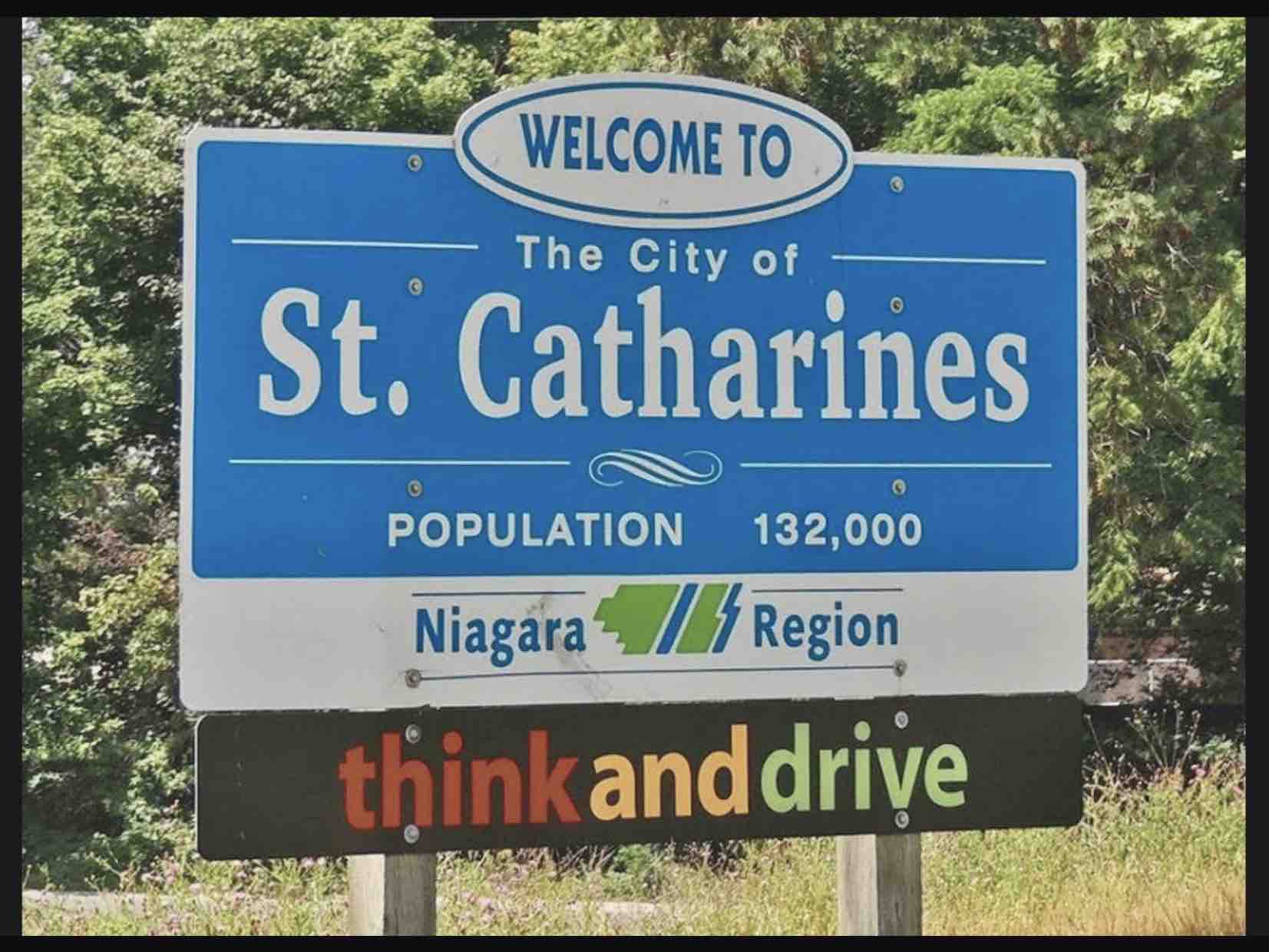
St. Catharines has reported an optimistic year-end update, with received grants and funding in 2023 totalling $30,356,614. 

The City applied for $112 million worth of funding, of which over a quarter was attained. 

“Approved funding allows the City to invest in new programs and projects, enhance existing services, and offset costs of regular programs originally funded by taxes or rates each year,” said Director of Financial Management Services Kristine Douglas. “This funding has helped us strengthen our commitment to building a diverse and strong economy in St. Catharines by being financially responsible.” 

A large portion of this funding, $25.7 million, comes from the Housing Accelerator Fund, which will assist in combatting the housing crisis by accelerating the construction of units. However, it is not the only notable approved program. 

The Streamline Development Fund is a provincial fund also concerned with the housing crisis, dedicated to helping “Ontario’s 39 largest municipalities modernize, streamline and accelerate processes for managing and approving housing applications.” St. Catharines received $966,696 from this fund. 

The city also accepted $867,150 for the Next-Generation 9-1-1 program (NG9-1-1), which aims to improve the telecommunication services at emergency call centres. Some examples of such improvements provided by the CRTC are the ability to send videos of accidents, or medical information for use by responding services. 

$445,486 came from the Combined Sewer Overflow (CSO) Control Program, a cost-share program in partnership with Niagara Region intended to “target inflow and infiltration reduction, which helps to reduce basement flooding, overflows to the environment and alleviates system capacity.” 

The St. Catharines Enterprise Centre, located downtown and helping small businesses “start and succeed,” received $413,050 in funding. 

As well as the listed funding, the city received approvals from Digital Main Street ($165,000), Seniors Active Living Centres ($128,000), the Enabling Accessibility Fund ($100,000) and others. 

“Grant funding plays a crucial role in supporting the City’s multi-year budget, allowing us to plan and execute projects that align with our strategic priorities,” said Douglas. “We remain dedicated to exploring and pursuing viable funding opportunities to further enhance St. Catharines’ growth and prosperity.” 

Still unconfirmed are another $11,592,392 of grants and funding, which “are expected to further contribute to City initiatives once finalized,” said the St. Catharines report. 

This money is projected to make significant contributions to the enhancement of the City’s infrastructure and services, as well as the well-being of its residents. 

More by this author

RELATED ARTICLES

Bill 33: what students should know 

Ontario’s Bill 33, Supporting Children and Students Act, 2025, received Royal Assent on Nov. 20, creating a set of postsecondary law changes that will take effect only if and when the government proclaims Schedule 3. The schedule would require publicly assisted universities and colleges to publish admission criteria and access applicants on merit, authorize new regulations on admissions and student fees and require institutions to develop research security plans subject to ministerial directives. 

Aubrey Reeves presents findings on Canada’s Arts and Culture Sector 

On Dec. 1, the FirstOntario Performing Arts Centre (PAC) hosted local arts leaders, policy advocates and community members for a presentation on new national research, highlighting the economic and social contributions of Canada’s arts and culture sector.

2025 Ontario environment policies: the battle between competitiveness and accountability 

The Canadian federal and Ontario provincial governments’ 2025 policy decisions were focused on affordability and competitiveness-focused responses to trade pressure and rising electricity demands. The influence of this on Ontario’s climate can be seen in all of the climate adjacent policy decisions made regarding energy, infrastructure, land-use and fiscal decisions that either increased the pace of low-carbon buildout or weakened environmental guardrails and climate accountability, depending on the file.

What’s happening with Canada’s latest pipeline proposal? 

The Canadian Federal Government is moving in lockstep with Alberta’s Provincial Government towards establishing a new bitumen pipeline through to British Columbia’s northern coast despite objections. 

Here’s what the Auditor General’s report reveals about Ontario’s healthcare  

The Auditor General of Ontario, Shelley Spence, provided a news release on a newly tabled report that audits performance in healthcare related areas across the province. The news release highlights physician billing, medical schools and access to healthcare with the procurement of personal protective equipment also making headlines separately.  

Kick off the semester with Frost Week and more 

Before the winter term kicks into high gear, BUSU aims to make sure that you still get your fill of Brock fun — meeting new people, reconnecting with friends and getting some much-needed social time through Frost Week.

Toronto’s Union Station using facial recognition for targeted advertising 

Reports of Toronto’s Union Station implementing the use of facial recognition software to better target advertising made media waves a few weeks ago. Here’s what students who may be using the station during this upcoming break should know.  

Alberta’s alarming dependence on the notwithstanding clause 

On Nov. 18, Alberta invoked the notwithstanding clause for the second time in under a month — a retaliatory move in the face of pushback from the judiciary that threatens the rights of trans youth and young women across the province.