

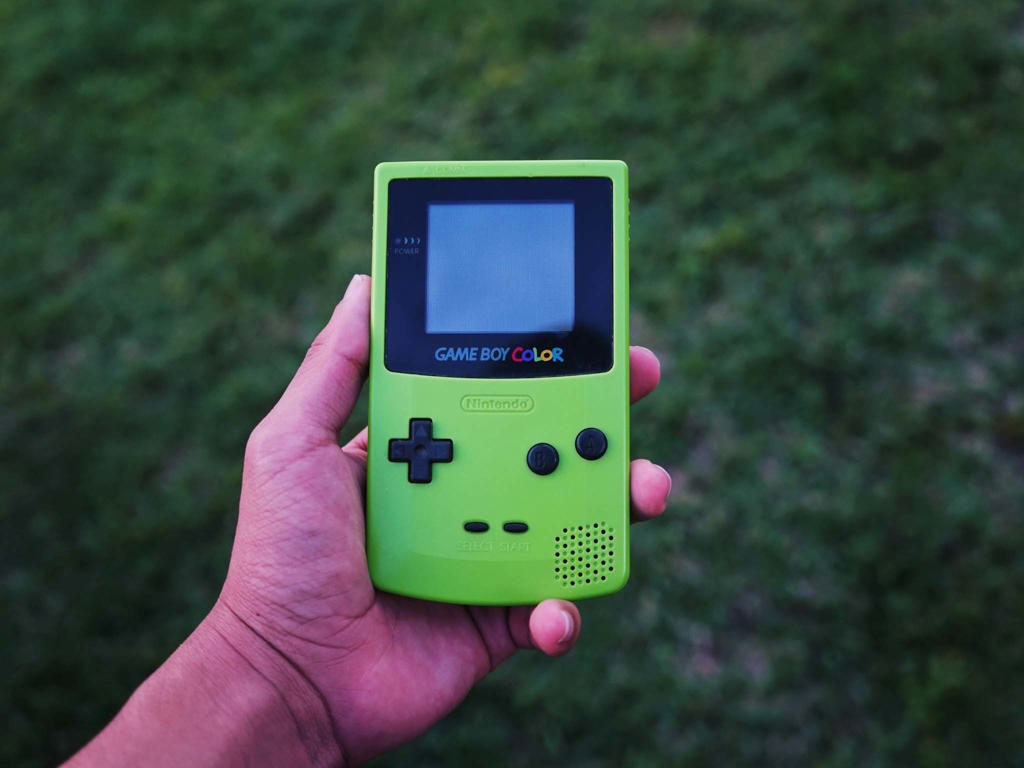
Nostalgia is a powerful marketing force but abusing it for profit is detrimental to any franchise’s legacy.
In a world where advertising is a prominent fixture in everyday life, it’s no surprise that companies experiment with unique marketing styles to attract consumers. As millennials and older members of Gen Z become adults, many of these companies have found what is potentially the holy grail of modern marketing: nostalgia.
Many franchises have seen the resurgence of old products or themes in an attempt to capitalise on the hypothetical consumer that longs for simpler days. This technique can be found across a variety of markets.
For example, Pepsi revived their iconic Crystal Pepsi brand in the 2010s for those who remember its run in the ‘90s. Atari is soon launching the “Atari 2600 Plus,” a remade version of the once-popular system from nearly 50 years ago. Even McDonald’s seems to enjoy occasionally relaunching the McRib every now and again to much fanfare.
These are all relatively inoffensive examples of nostalgia-centred products, but the problem lies in those who value nostalgia over upholding a franchise’s legacy.
Unnecessary movie reboots and sequels are a fairly obvious example of this. Rather than creating new franchises or stories, several production companies opt to cash in on the memories of an old franchise’s fanbase.
This gimmicky remodelling of a classic original series or film appears to be Disney’s philosophy as of late. There has been plenty of discussion over their upcoming reboot of Snow White and why a reboot of this classic is necessary. This production is made even confusing when its lead actress doesn’t even seem to like the story.
It could be argued that the reboot is meant to serve as a modern interpretation of the original version, but if the filmmakers want to create such dramatic shifts to the source material’s story and themes, they should just create something entirely new.
The truth is, something completely new probably wouldn’t attract as much attention as a product that relies on a pre-existing, already popular franchise. It’s easy to garner discussion when applying a modern lens over a franchise people are already familiar with. It makes people wonder what might have been changed and potentially want to revisit the franchise.
But this isn’t what’s best for the franchise, it’s what’s best for profits. Disney doesn’t care about upholding the original themes and vibe of Snow White; they’re holding its likeness hostage while they capitalise off the original’s fame.
Of course, Snow White is just one example of an unnecessary film reboot. There are many, many, many, many, many more.
But movies aren’t the only entertainment medium suffering because of a fixed focus on nostalgia. Another victim of this is the Pokémon franchise. Despite being different from Snow White in the sense that Pokémon has remained a consistent franchise since its launch in 1996, it’s ultimately undergoing a similar problem.
Modern Pokémon games are so concerned with adhering to older fans’ nostalgia that it stands in the way of the franchise’s betterment. Kanto, the location of the series’ very first titles, has been a visitable location in five of the series’ nine generations. The original 151 Pokémon have been marketed to death, and Charizard has come under fire for their overuse in recent titles.
While it’s undeniable that Pokémon’s focus on nostalgia helps its sales, one has to wonder if it means the franchise can’t fully embrace a modern direction.
There are ways to balance nostalgia with freshness to create a product worthy of carrying its predecessor’s name – it’s been done before – but most of these products seem more focused on capitalising on legacy works than using them to craft something new.
When a team is passionate about the franchise they are developing, it often shows in their work. Nostalgia could be used as a tool to enhance new products, but it works best when this nostalgia is shared by the product’s developers. You can easily tell when this love has been forgotten.
Abusing nostalgia for profit isn’t just demonstrative of corporate greed, it spits in the face of the legacy entries that allowed its successive products to exist in the first place.