

Thursday, January 1, 2026
Brock's Only Independent Student Newspaper
One of the only worker-managed newspapers in Canada

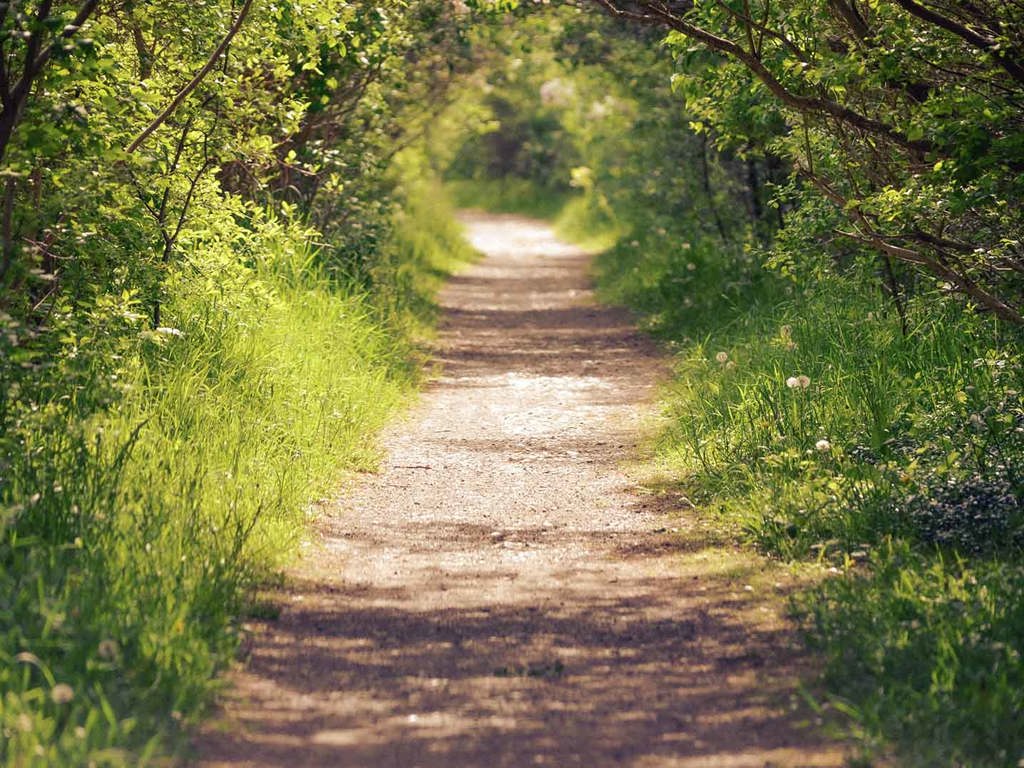
St. Johns Conservation Area: a classic and beautiful hiking spot

|
|

St. Johns Conservation Area is a tranquil spot great for both new and experienced hikers.  

Located at 3101 Barron Rd in Fonthill, St. Johns is part of the Niagara Escarpment and the Twelve Mile Creek Valley. It is known for its seasonal trout fishing, bird watching and nature education.  

Before European colonization, the land on which the conservation area now exists was the home of the Anishinaabe, Attiwonderonk, Haudenosaunee and Mississaugas of the Credit peoples. They were forcibly removed from their lands following colonization of the area.  

 
The landscape was shaped by glaciers that eroded the soil and created the hills known by hikers today. Part of the Carolinian Forest zone, St. Johns is the home of many broadleaf plants and some trees that are over 150 years old. It also contains the largest collection of tulip trees in the Niagara Region. The conservation area was formally established in 1963. 

Located close to the conservation area is the St. Johns Common School, which was established in 1804. The St. Johns Common School was the first non-denominational free school in Upper Canada. This started the tradition of free public education, something that the rest of Upper Canada would not adopt for another 42 years. The renovated schoolhouse is the oldest in Ontario.  

In terms of hiking, the area is relatively small at just 76 acres. With that being said, the size doesn’t limit the variety of trails the conservation area has to offer with five different options. Furthermore, hikers can choose from various trail lengths and difficulties. The Pond Trail, which is 500m long, is the most accessible. Following the outer edge of the pond, the route is good for families with small children or individuals who use wheelchairs as the path is flat and paved. 

Sassafras Stroll Trail, which is approximately 1km long, creates a large loop which connects from the pond to the parking lot. From this trail, hikers can access the Horseshoe Trail (600m), the Tulip Tree Trail (1.6km) and the St. Johns Ridge Trail (1.7km). The Pond Trail and the Sassafras Stroll Trail are both mostly flat, while the others include inclines, some of which are quite steep.  

Dogs are welcome on all trails, but they must be on a leash. 

While the conservation area closed on Nov. 13th for enhancements to the parking lot and main entrance, the work is planned to be completed by the end of the year. The Niagara Peninsula Conservation Authority hopes that these improvements will help with public safety and enhance the accessibility of the site, allowing for year-round enjoyment of the conservation area.  

St. Johns Conservation Area is a beautiful place to take in the region’s beautiful scenery while being active and immersing oneself in nature. 

More by this author

RELATED ARTICLES

Bill 33: what students should know 

Ontario’s Bill 33, Supporting Children and Students Act, 2025, received Royal Assent on Nov. 20, creating a set of postsecondary law changes that will take effect only if and when the government proclaims Schedule 3. The schedule would require publicly assisted universities and colleges to publish admission criteria and access applicants on merit, authorize new regulations on admissions and student fees and require institutions to develop research security plans subject to ministerial directives. 

Aubrey Reeves presents findings on Canada’s Arts and Culture Sector 

On Dec. 1, the FirstOntario Performing Arts Centre (PAC) hosted local arts leaders, policy advocates and community members for a presentation on new national research, highlighting the economic and social contributions of Canada’s arts and culture sector.

2025 Ontario environment policies: the battle between competitiveness and accountability 

The Canadian federal and Ontario provincial governments’ 2025 policy decisions were focused on affordability and competitiveness-focused responses to trade pressure and rising electricity demands. The influence of this on Ontario’s climate can be seen in all of the climate adjacent policy decisions made regarding energy, infrastructure, land-use and fiscal decisions that either increased the pace of low-carbon buildout or weakened environmental guardrails and climate accountability, depending on the file.

What’s happening with Canada’s latest pipeline proposal? 

The Canadian Federal Government is moving in lockstep with Alberta’s Provincial Government towards establishing a new bitumen pipeline through to British Columbia’s northern coast despite objections. 

Here’s what the Auditor General’s report reveals about Ontario’s healthcare  

The Auditor General of Ontario, Shelley Spence, provided a news release on a newly tabled report that audits performance in healthcare related areas across the province. The news release highlights physician billing, medical schools and access to healthcare with the procurement of personal protective equipment also making headlines separately.  

Kick off the semester with Frost Week and more 

Before the winter term kicks into high gear, BUSU aims to make sure that you still get your fill of Brock fun — meeting new people, reconnecting with friends and getting some much-needed social time through Frost Week.

Toronto’s Union Station using facial recognition for targeted advertising 

Reports of Toronto’s Union Station implementing the use of facial recognition software to better target advertising made media waves a few weeks ago. Here’s what students who may be using the station during this upcoming break should know.  

Alberta’s alarming dependence on the notwithstanding clause 

On Nov. 18, Alberta invoked the notwithstanding clause for the second time in under a month — a retaliatory move in the face of pushback from the judiciary that threatens the rights of trans youth and young women across the province.