

No film released last year has been so subtle, yet so deliberately confrontational in the questions it asks.
Set in 1943, Jonathan Glazer’s The Zone of Interest depicts the daily home life of Auschwitz concentration camp commandant Rudolf Höss and his family as they settle into their house directly next to the camp wall.
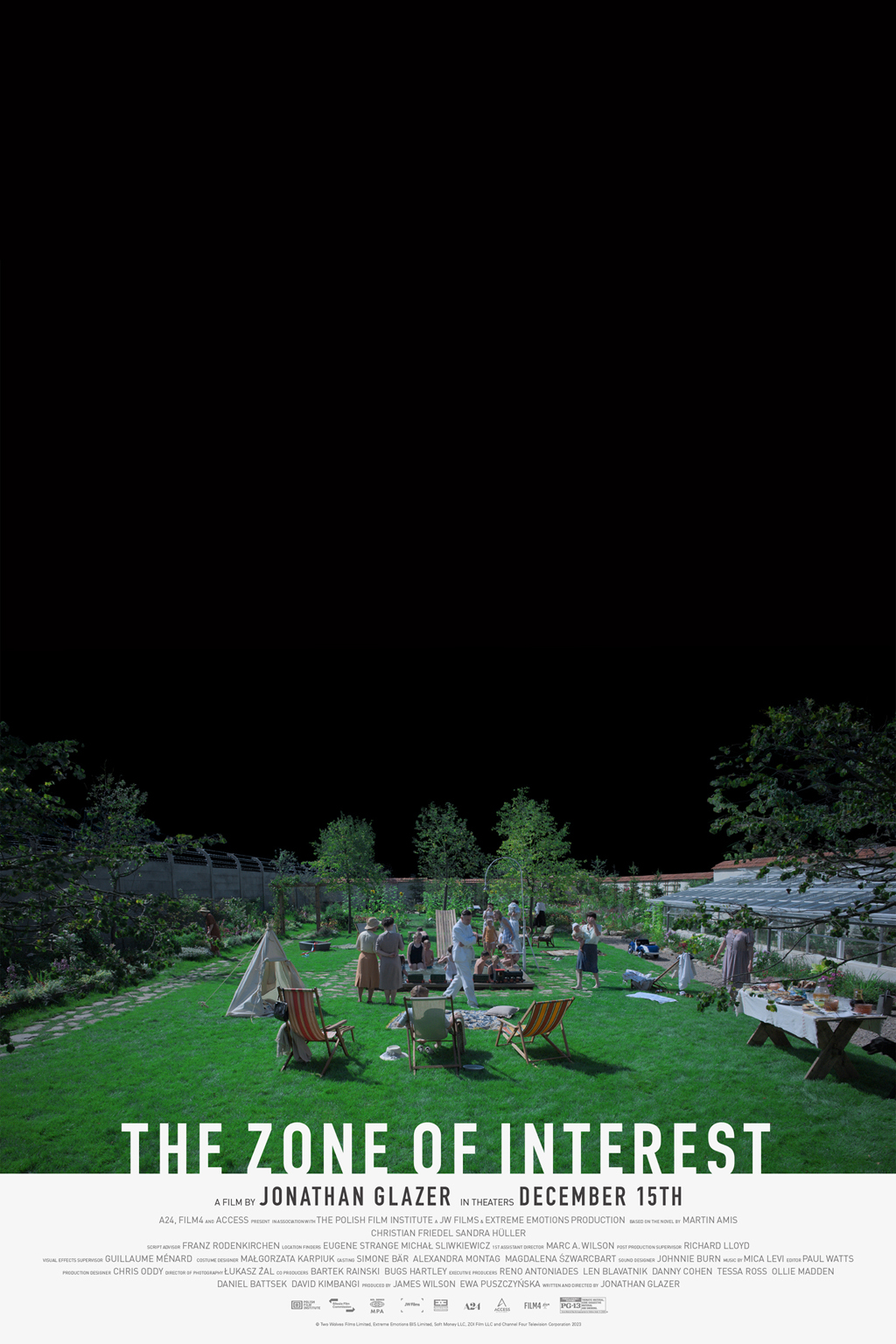
The shots in the film are predominantly wide to paint an entire picture of a scene and make use of cinematic depth, offering a full view of the family’s mundane happenings. These include children playing in the garden, mothers and aunts lounging by a pool, the caretakers tending to the flourishing garden and a family dog running about.
Underneath unsuspecting scenes of this family settling into their new home in the corner of the frame lingers the reminders of evil: the distant sight of smoke pluming from a chimney; the approaching sound of a train; or the indistinct screams and pleas from the other side of the camp wall, often followed by gunshots.
Like other mediums, cinema has always been used as a tool for confrontation. It offers us opportunities to reflect on the nature of various parts of our lives. Nonetheless, few films recently have cultivated the level of nauseating discomfort The Zone of Interest achieves, making it a truly unforgettable watch.
One of the most distinct features of the film is its sinister use of sound. For example, before the beginning scene right after the title card, in the complete darkness of the theatre, there is a deep hum that fades in and out and which pans around the speakers for several minutes. The blend of long tones creates the uncanny choral sound of deep voices.
The uneasy darkness depicts both sound’s role in film, as well as the persistent use of absence. No one is ever seen moving behind the walls of Auschwitz, but distant noises over the sound of the Nazi’s children playing remind us of their presence. The camera never shares what the children gazing at the camp from their bedrooms see, but it doesn’t need to in order to be as evocative as it is.
The film also lacks a typical plot, but for what it seeks to achieve, this is an experimental decision that pays off. The Nazi family’s domesticities themselves are largely uninteresting because they are routines many of us are well acquainted with.
But this is precisely what makes the film so impactful: the knowledge of the family’s beliefs and their complicity and participation with genocide, while otherwise being normal people the audience can relate to.
That being said, The Zone of Interest is not a film about Nazi ideology nor does it even seek to examine it. To leave with the impression of the film isolating itself in historical events would be a gross misreading of its intention. Instead, what the film seeks to question is the timeless phenomenon of complicity brought about by domestic life.
As the family conducts their daily life, arguing over trivial matters, they neglect to acknowledge the genocide happening only a few steps from their door step every day. Any pair of wandering eyes may catch traces of evil occupying the background of shots, but evil in our daily life may be harder to catch, which is precisely what makes the film a powerful catalyst to asking these pressing questions: Can this evil be identified in our own lives? How can we stand to be complacent while horror continues?
As Glazer himself said, “this is not a film about the past, it’s trying to be a film about now, and our similarities to the perpetrators, not the victims.”
A pitfall of many war films is the way history shields the reality of events. It’s easy to disconnect from the consequences of war when it’s presented through the grandiose cinematic medium. In some ways, this is a trap of the cinema where filmmakers must ask how they can forward a message over the line of an entertainment escape.
The Zone of Interest is not an escape, but a wretched 100-minute meditation depicting the need to establish domestic life over the backdrop of evil, asking us if we can recognize this level of willing complicty in ourselves.