

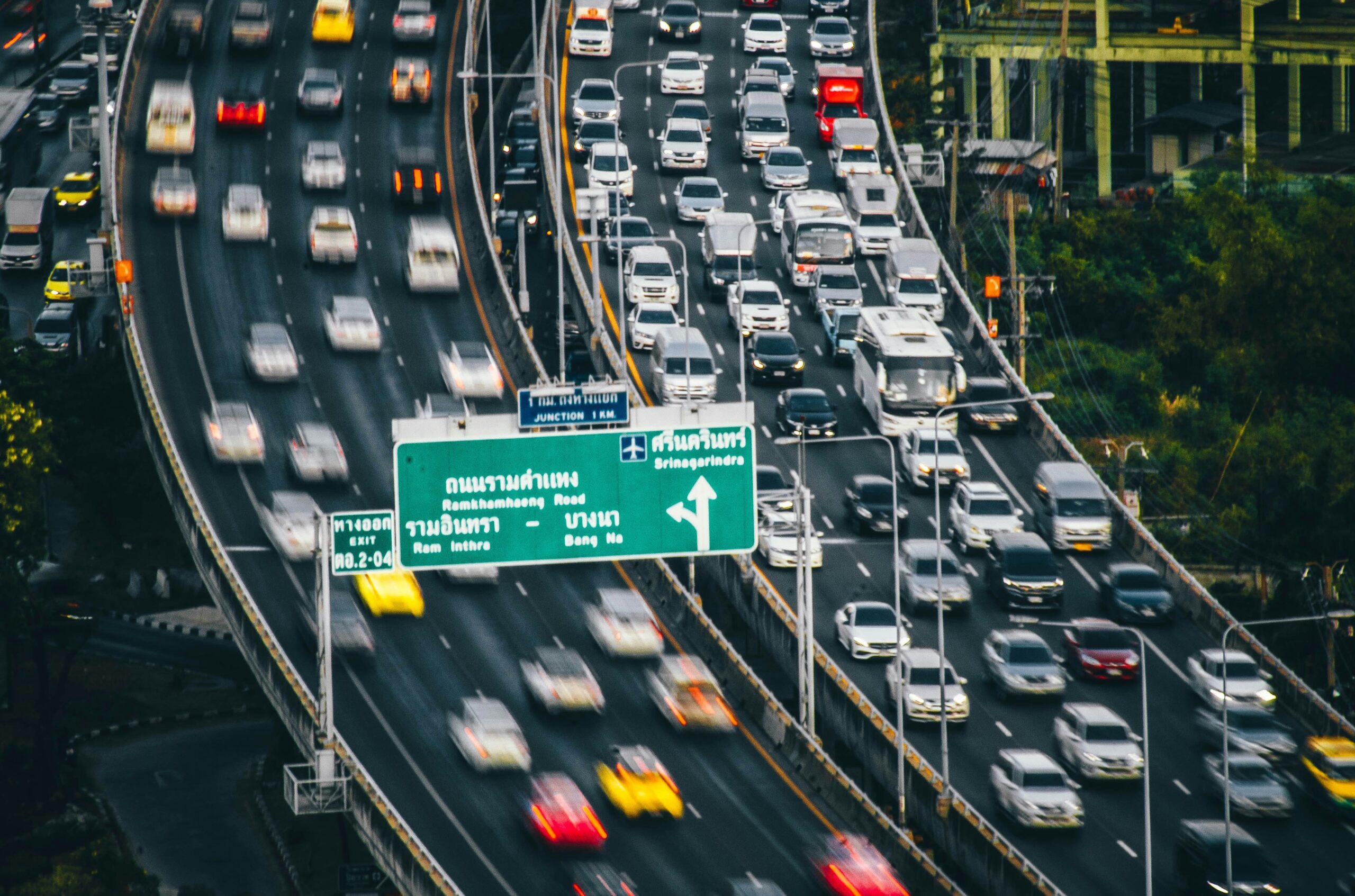
Aside from being anxiety-inducing and dangerous, driving is just plain lonely.
As a commuter, I spend far too much time alone in my car on long stretches of highway. When I first began longer commutes a few months ago, I didn’t really mind the time spent on the road; it gave me a space where all I had to do was focus on driving while listening to my favourite music, which didn’t seem to be so bad.
As of late, my commutes have become progressively less enjoyable, with indifference and anxiety replacing the moments of calmness that they once gave me.
When I first got my driver’s license many years ago, I was thrilled to finally have the independence to travel anywhere whenever I wanted. Though I still carry the understanding that driving is a helpful skill to have when living in a largely car-centric area like the Niagara Region, I can’t help but feel that the negatives of car travel — especially when commuting alone — are glossed over by the attraction of independence and impulsivity associated with driving.
However, this very independence and impulsivity contribute to the overwhelming loneliness evoked by long commutes for several reasons.
Most evidently, if you are a solitary commuter, your drives confine you to your own thoughts and the road, soundtracked by whatever playlist is on in the background.
Though my commuting experience began with using this time to shut off my worries and concern myself with the seemingly insignificant task of driving and listening to music, I quickly found that regular commutes end up becoming a time for my thoughts to dominate my focus, whether I wanted them to or not. As my commuting routes became second nature, it was easier for my mind to wander away from my music and return to whatever school deadlines were approaching and what grade I might’ve gotten on my latest assignment.
Though I find that I do most of my introspection while on trains and buses, the key difference that shapes my experiences in these opposite transportation realms is that public transportation allows full surrender to one’s thoughts, whereas driving requires you to operate a several thousand pound vehicle while navigating these thoughts.
Also, I feel that public transportation almost evokes a sense of community; it brings the acknowledgement that regardless of whatever thoughts you’re surrendering to, you’re ultimately not alone on your travels.
In my experience, I have found that the inherent anxiety of driving most definitely bleeds into one’s headspace while commuting — which might give an answer as to why anxiety-inducing thoughts may arise while driving.
Especially if your regular commutes include highway driving, anxiety is often par-for-the-course on most of these trips. Since there is so much to focus on at once while driving, especially on the highway — like your speed, the cars behind and beside you, your mirrors and the road ahead — the inherent stress of this over-awareness can lead one’s nervous system to become overwhelmed, thus fueling symptoms of anxiety.
When you’re driving alone, there is nobody there to (healthily) distract from these anxious thoughts, which can often lead to a spiral of discomfort.
Though driving can evoke an anxious over-awareness of one’s surroundings, it can also foster an entirely opposite headspace, where the driver loses awareness of their surroundings — and no, this does not only happen to negligent drivers. If you’re a regular commuter, it has likely happened to you.
Have you ever had a commute where you’ve forgotten that you’re driving, getting lost in your thoughts for 10 kilometers when it felt like you’d only driven two? This phenomenon is called highway hypnosis and it often occurs on long monotonous drives, like when you’re driving on the highway for a long stretch or when your daily driving route has become muscle memory.
Highway hypnosis is often born from wandering worries infiltrating one’s thoughts, leading them to pay less attention to the road. Just like over-aware drivers, drivers experiencing highway hypnosis also lack a healthy distraction from the monotony of the road, leading them to get lost in their thoughts.
In both instances, long solitary drives set the stage for thought spirals to get to the forefront of one’s focus rather than the actual task at hand of reaching one’s destination safely.
Driving is not only alienating through confinement to one’s thoughts, but also within the social implications of navigating the road.
56 per cent of Canadian drivers participating in a study say they experience road rage, while 81 per cent say that they have witnessed other drivers exhibiting rageful behaviours on the road. Implicit in the act of road rage is the degradation of another driver to merely a figure of inconvenience and frustration.
With the inherent stress of driving comes frustration at other drivers. This frustration can be fueled by drivers not following the rules of the road or following them too strictly, as either can be perceived as being inconsiderate to another driver’s needs — whether that be safety concerns, time constraints or other factors.
The emotional implications of driving also lay within the underlying severe dangers of driving.
Operating a vehicle at 100 kilometers an hour is inherently anxiety-inducing because it poses a lot of dangers. While driving, you’re given the task to ensure your safety and the safety of those around you, while also sometimes witnessing the terrifying outcomes of not doing so.
All the negatives of car travel boil down to the same foundation: long commutes are incredibly mentally isolating.
Whether it be through physical isolation or mental tolls, driving brings a far lonelier experience than public transportation. Though I sometimes experience glimmers of the calm escape commuting once brought, I’m tired of driving. Until I am in a place where public transit is more accessible, it’ll be myself and my favourite podcasts against the monotony of my commute.