

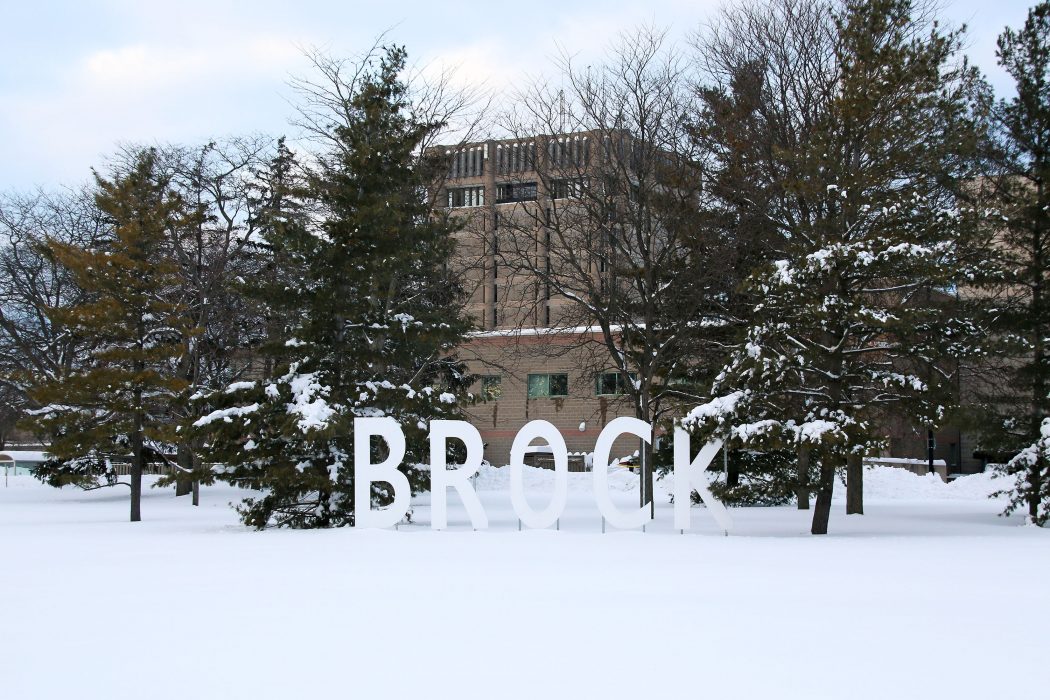
The winter semester isn’t just snowstorms and stress. The second semester of the school year has its own perks that shine through the darkness when you stop comparing it to the fall semester.
The winter semester gets a pretty bad rep. Regardless of how far along you are in your studies at Brock, I’m sure you’ve heard it. When January comes, dread washes over the student population as they brace for dark days, blizzards and freezing rain — all of which await them over the next three months without any festive spirit to help us trudge through it.
Though the fall semester does have autumn excitement and fun seasonal activities to look forward to, the winter semester has its own perks that deserve recognition. There’s bound to be stress at some point during the school year, but acknowledging the excitement exclusive to the winter semester could help the transition from winter break feel less bleak.
It is definitely difficult to come back to school after dealing with a semester’s worth of stress, only having a mere couple weeks before you have to start all over again. Where the fall semester greets us after a long summer break, the winter semester always feels like it comes too soon.
However, the daunting task of returning to school often overshadows the fact that we are halfway through the school year, and one semester closer to the four month break we all truly need. The beginning of the winter semester signifies that we are very capable of completing another semester without having to deal with the anxieties that come with anticipating the entirety of the school year when the fall semester begins.
This perk is especially relevant for first year students. Since you have already spent four months traveling around campus and orienting yourself within the Brock community, the winter semester allows you to begin your classes with a clearer headspace, letting you focus less on the anxieties of starting university and more on prepping for your classes.
For all students, the winter semester brings a similar kind of fresh start. Since the summer break can be up to four months long for students who do not take spring or summer classes, getting back into the student mindset can be difficult at first. Though the winter break often feels like it is never long enough, a few weeks away from school is just enough time to reflect on your productive strengths and weaknesses from the fall semester, without entirely forgetting what student life feels like.
Where the fall semester is a time to learn how to be a university student again (or for the very first time), the winter semester brings the opportunity to refine your studying methods and cut out the habits that made the first semester harder. This is a more anti-climactic aspect of the winter semester, but it is just as important because it can help save a lot of stress while solidifying a study schedule that works for you.
Even though we can reflect on the fall semester and see how some habits contributed to piled up school stress, it would be quite optimistic to say that our refinement of habits would mean that we will never feel the stressors associated with student life again. Inevitably, things get busy as readings get thicker and deadlines pile up.
However, all this work isn’t just leading us to the end of a semester and a few weeks off. For many students, the winter semester is spent working towards the end of another full school year and a celebratory summer vacation — a reward that is arguably more worthwhile.
Even for those of us completing co-op semesters or taking more classes during the summer break, the end of the winter semester brings a change in pace and a real sense of achievement. Right now, we’re halfway through the academic year, but in a few short months, we’ll be another school year wiser.
And at the end of the semester, we won’t simply be rewarded with getting a year deeper into our academic careers, but we’ll also find ourselves in the midst of spring’s bloom. The winter semester is often characterized by its initial doom and gloom weather-wise, but many of us forget that we’ll have over an hour more sunlight by the end of March, which will no doubt come far faster than we expect.
As we adjust back into student life and slowly inch closer to spring, we should appreciate the perks unique to the winter semester. Sure, the fall semester has the excitement of approaching autumn and all the festive coziness it brings, but the winter semester brings a quiet reassurance that we’re capable of handling another round of classes — and even if it proves difficult, spring will always follow.