

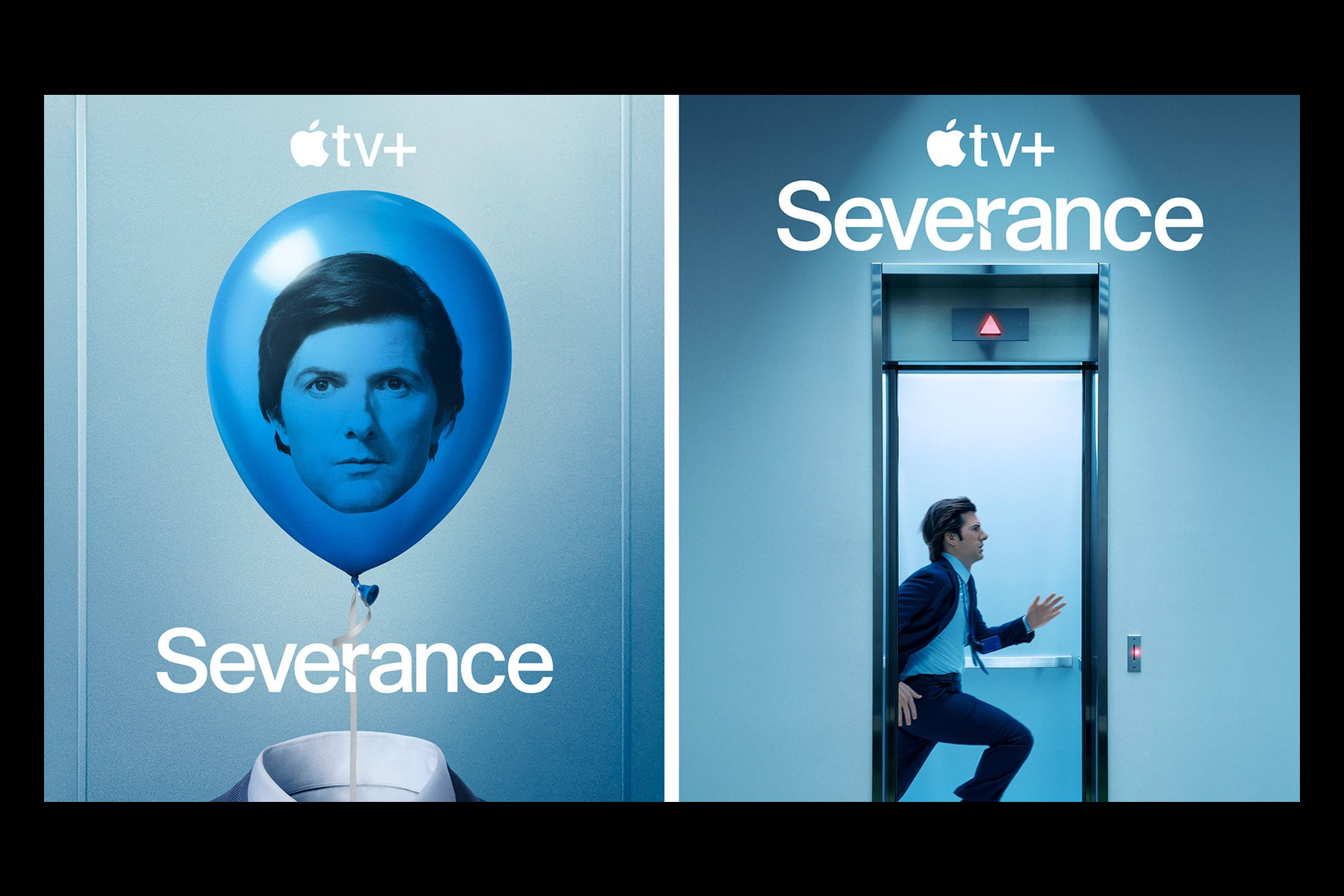
Content warning: this article contains spoilers for season one and two of the Apple TV series Severance.
If you’ve ever worked in an office, you’re most likely familiar with the “Sunday scaries,” a specific kind of dread reserved for Sunday evenings as the anticipation of Monday morning creeps closer. This is the feeling of impending compartmentalization, that we must pack away our “real” self to become a functional, wage-earning employee for eight hours a day.
Severance, the Apple TV sci-fi thriller that released its highly anticipated second season in early 2025, takes that universal dread and performs surgical literalism on it. As a recent victim of a two-season binge of Severance, I find myself increasingly weirded out by what I watched, only making me more interested in dissecting it.
The show’s premise is simple and terrifying: what if you could voluntarily undergo a procedure that severs your work memories from your personal life? Your “innie” — the part of yourself that was essentially “born” on your first day of work — exists only within the fluorescent-lit Severed Floor of Lumon Industries, with no memory of your life outside of work. While your “innie” is trapped in eternal labour, your “outie” — the person you’ve always been, only with no memory of what happens once you enter your workplace — enjoys the paycheck, blissfully ignorant of what they do from 9 a.m. to 5 p.m. every day.
Since its debut, Severance has been hailed as one of the best shows on television. But what truly sets it apart isn’t just its clever plotting or stellar performances: it’s the show’s profound commitment to what can only be described as pure weirdness.
What I love about the show is that its horror doesn’t rely on jump scares or gore but instead utilizes an oppressive atmosphere of the uncanny. It thrives in the “weird,” utilizing a sterile aesthetic and bizarre corporate rituals to create a satire that begins to feel distressingly close to reality.
The first thing that strikes you about Lumon Industries is how aggressively un-modern it looks for a high-tech sci-fi setting. Directed largely by Ben Stiller, the visual language of the show is a masterclass in unsettling design. The “Severed Floor” is a sprawling maze of blindingly white corridors that seem to lead nowhere — the ultimate liminal space.
Lumon’s technology is deliberately anachronistic. There are no sleek touchscreens or A.I. interfaces here. The severed characters working in the Macrodata Refinement Department (MDR), Mark S., Helly R., Dylan G. and Irving B., work on chunky, retro terminals that look ripped from the 1970s, sorting mysterious, digitized numbers that evoke dread. Adding to the weirdness, viewers learn near the end of season two that the numbers MDR have been sorting represent the emotional states of Gemma, Mark’s wife who up until this point, was believed to be deceased. Not only is Gemma alive, but she has been held in the basement of Lumon, forced daily to undergo a series of strange tests while a Lumon scientist studies her various severed personalities.
Lumon’s decorative choices only add to its strangeness. The furniture is beautiful mid-century modern, but is placed in cavernous, empty offices, making the place feel cold and imposing. By stripping away recognizable markers of the current year, Lumon creates a sense of timeless entrapment. The weirdness of the set design forces the viewer into the same disoriented headspaces as the innies: where are we, and more importantly, when are we?
The aesthetic weirdness is just the packaging for the true horror of the show: its savage satire of corporate culture. Severance posits that modern office life is essentially a socially acceptable cult.
More weirdness is found in the horrifying ways that Lumon controls its employees. The dialogue is stuffed with toxic positivity and meaningless HR platitudes. Managers speak in a soothing, terrifying monotone, offering vague perks for good performance that range from children’sish finger trap toys, to the bizarre “melon bar,” to the truly perverse and coveted “Waffle Party.”
The company worships its 19th-century founder, Kier Eagan, with religious fervor. Employees quote his writings like scripture and visit a wax museum replica of his house built inside the Lumon office. This makes for deeply weird, very funny and intensely disturbing television.
For any university student about to enter the professional world, this specific brand of weirdness strikes a chord. Most of us have likely read job descriptions that use cult-like language about being a “family” or demands for “passionate rockstars.” Severance takes that kind of language to a horrific conclusion. The weirdest thing about the show isn’t the sci-fi technology required to become severed; it’s how easily the characters accept the insanity of the workplace because it’s framed as “policy.”
Ultimately, the show’s most potent weapon is the existential weirdness of its central question: who are you when you are at work?
The “innies,” led by Adam Scott’s spectacular performance as Mark S., are essentially adult toddlers. They have no history, no trauma and no context for the outside world. They are pure consciousness stripped bare, and their entire existence is defined by obedience to Lumon.
Watching these severed souls try to understand concepts like sleep, death or the outside world is heartbreaking. It forces the viewer to confront the uncomfortable reality of how much of our own identity we suppress to fit into professional boxes. The weirdness of seeing a grown man excited by a corporate-branded eraser servers as a mirror to our own willingness to trade pieces of our humanity for a paycheck.
Across two seasons, Severance has maintained a delicate balance between absurdist comedy and psychological thriller. It emphasizes that true horror doesn’t hide in the dark. Sometimes, it hides under fluorescent lights, wearing a lanyard, asking if you’d like a handshake to celebrate your quarterly productivity.
And nothing is weirder than that.