

It’s fair to say that Mark Carney was elected to do big things. This preliminary trade deal with China is exactly what Canada needs: it puts us back into our rightful — and more importantly, traditional — place as a middle power.
Throughout Canada’s history, the country has mainly regarded itself as a middle power: Prime Minister Robert Borden had his own seat in Versailles at the end of WWI; Mackenzie King separated our foreign policy from “Mother Britain”; and Pearson famously relieved tensions in the Suez Crisis, earning the future Prime Minister the Nobel Peace Prize.
However, since gaining full independence in 1982, Canada has been less of a middle power and has become more of a junior power. This was intentional, as summed up by the Prime Minister’s recent speech in Davos — which I urge you to watch if you have not — the hegemonic power of the United States has caused the Western world to rest on its laurels.
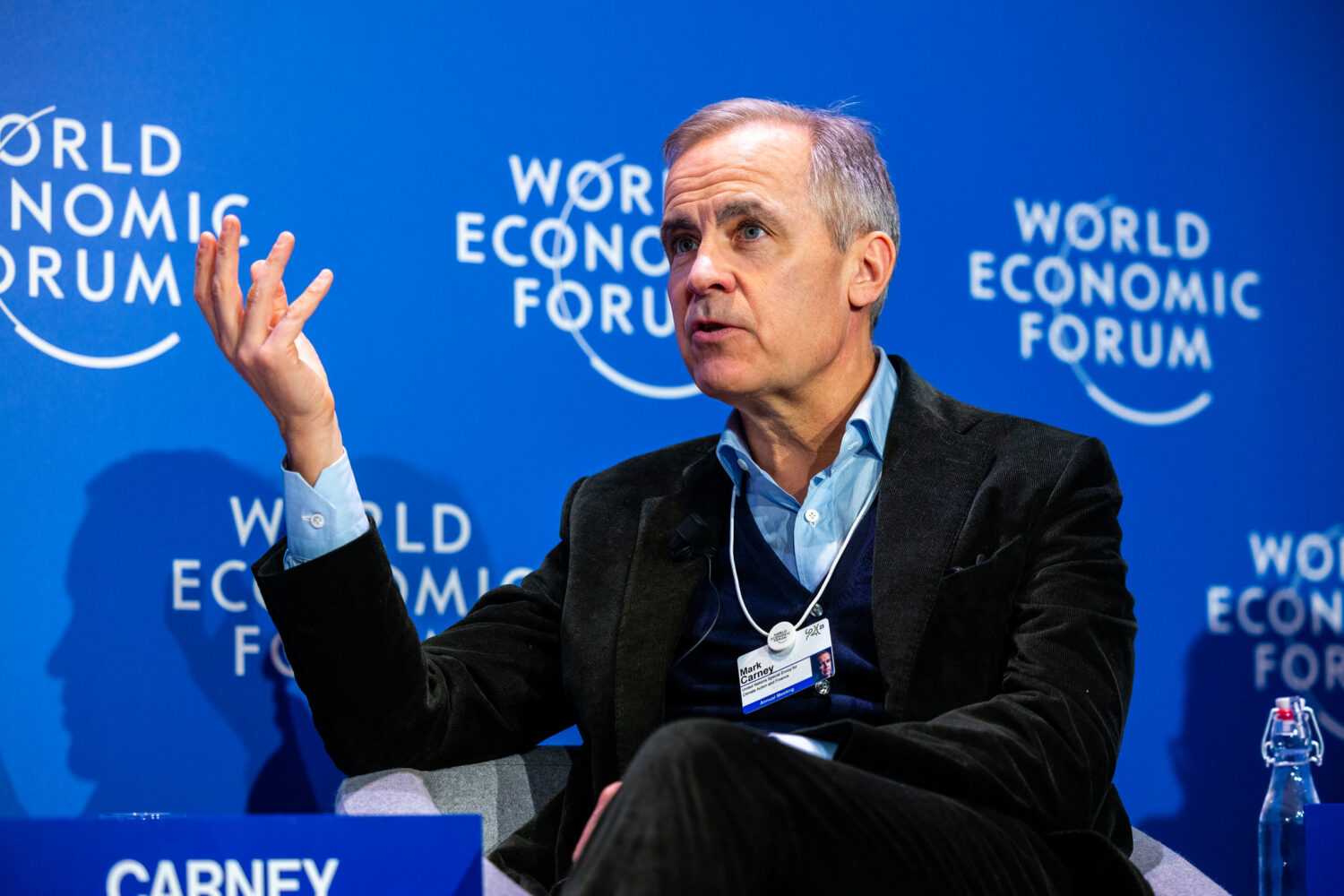
As any economist would tell you, it is not very smart to rely heavily on one trading partner for too long; one must never put all their eggs in one basket. So, Carney, the economist, is rectifying exactly that by diversifying Canada’s investments, and this diversification will be our survival. As Carney said in Davos, “middle powers must act together, because if we’re not at the table, we’re on the menu.”
To put it bluntly, this deal with China isn’t “all that” because of the deal itself, but because of its potential. The current deal essentially puts us back to two years ago: our canola, beef and other products will flow in, and in return, we allow 48,000 cheap EVs — a mere three per cent — to enter our automotive market. Simply put, the deal itself is a drop in the ocean.
However, this deal is monumental for two reasons. Firstly, the potential it has is seismic. The deal would allow more of our steel, lumber, minerals, energy and other bountiful resources to be put on offer to more lucrative markets like China. Also, it doesn’t hurt to make strides with one superpower while the other tariffs you.
Secondly, and more importantly, is the precedent: a trade deal with China, set for Canada. Immediately after China, Carney headed to Qatar, a first in history for a sitting Prime Minister. In this deal, Qatar was able to expand its airline presence in Canada and further a bilateral partnership in A.I. and defence while making it easier for Canadians to invest.
This ties into the Prime Minister’s previously mentioned quote. The more deals, defence alliances and bilateral agreements that Canada can hold on its own — due to it being linked to other middle powers — the less likely the hegemons can fit us all into their mouth, let alone put us all on a plate.
In the end, this is simply the beginning, and we will have to see if other middle powers such as Australia, New Zealand, Brazil and Mexico hop on the train with us. If they do not, then we all end up on a spit.