

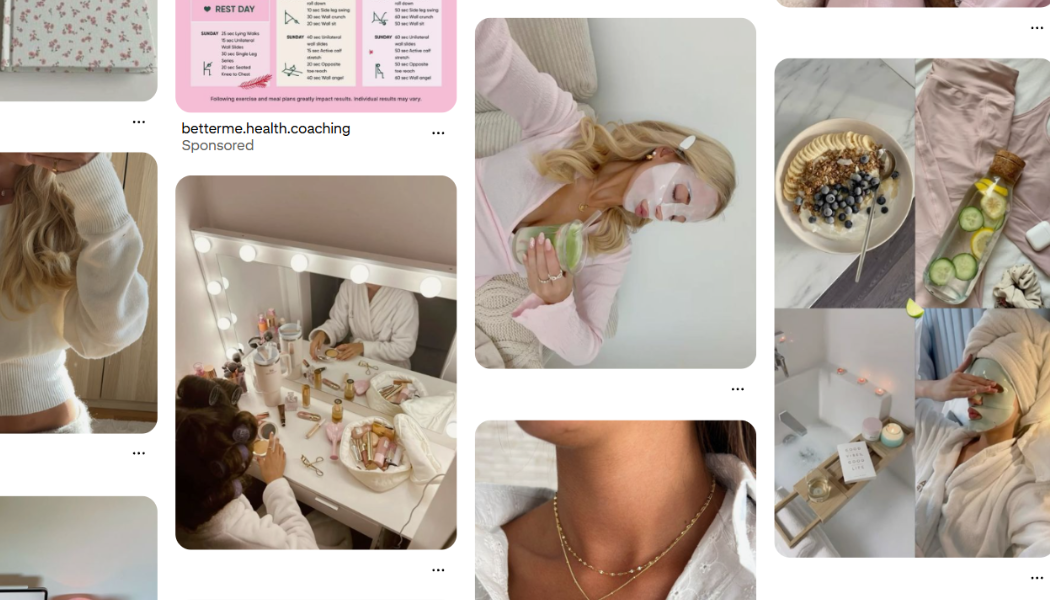
Trends that urge women to step into their “divine feminine energy,” consume their way into a “clean girl aesthetic” and blame small mistakes on the fact they are “just a girl” are not products of neutral shifts in our algorithms. The differing frames women have been forced into online indicate subtle dog whistles to alt-right ideologies, ultimately functioning to naturalize conservatism, traditional gender roles and regressive choice feminism.
At this point, it is safe to say that almost every young adult is familiar with the all-consuming nature of social media and short-form content platforms. The algorithms used by popular social media platforms, especially TikTok, monitor every user’s miniscule actions, examining how long they linger on each video and synthesizing the categorical patterns found in the videos they like, share and watch until the end.
TikTok’s algorithm is deeply reliant on identity markers to shape targeted videos to user interests as best as possible. However, as Emily Christine Lloyd-Evans and Harry Rodgers note in their 2021 research on TikTok’s algorithm, relying on such identity markers can quickly become problematic as the algorithm is not an “impartial” as it may seem, citing the finding that Twitter’s algorithm favoured videos showing “individuals with visibly lighter skin and slimmer, younger looking faces.”
“Algorithmic bias leads to the perpetuation and naturalisation of structural inequality, discrimination, and violence hidden behind a thinly veiled guise of neutrality [emphasis mine],” writes Lloyd-Evans and Rodgers.
This algorithmic practice is precisely how liking a video about living a “Pilates princess” lifestyle might push your feed down the rabbit hole of tradwifery and homesteading.
Being a core identity marker, there is no way to divorce gender from the algorithm. Polarized, extremist content that revolves around gender is pushed by TikTok’s algorithm, which leads users almost passively into holes of misogyny, alienation and hate. Extremist content mixed with algorithms is to blame for the birth of the manosphere, a site of extremist misogyny online best known for producing creators like Andrew Tate and Myron Gaines.
However, extremist content seeking female users as their target audience do not always appear in the same way as content pushed to male viewers, wherein harmful extremist ideologies are clearly recognizable.
If you use TikTok frequently, you are likely aware of the countless niche communities on the platform, often found through naming a content topic and following it up with “tok.” Popular ones include “witchtok,” “gymtok,” “momtok” or “girltok.”
These kinds of TikTok communities invite members of a certain group, like self-proclaimed witches, gym goers, moms or young women, to come together and share glimpses into how their identity shapes their lives. Users who see these videos in their feed may not be inherent members of these groups but have demonstrated interest through interacting with these categories of content.
The tricky thing that spawns in some of these communities is that, borrowing words from Lloyd-Evans and Rodgers, content targeted towards women exist in the realm of plausible deniability toward any ideological bias from their “thinly veiled guise of neutrality.”
Let’s first delve into the world of divine femininity content. The TikTok hashtag “#divinefeminine” has amassed over one million videos. These videos serve to provide users with tips on how to step into their “divine feminine energy” by changing their self-perception and building new daily habits. What being a divinely feminine woman looks like has many throughlines across this genre: divinely feminine women move with fluidity, and are soft, cleanly, elegantly quiet and powerful for possessing these qualities.
However, even examining the rhetorical games in this content exposes how it does not serve to uplift women, but instead to harken back to regressive gender norms.
Since these videos centre around unlocking your “divine feminine energy,” they undeniably construct an ideal of what is “divinely feminine.” Thus, doesn’t this content imply that only divine women are soft, flowy, neat and garner power in their silence?
It seems almost too coincidental that this new feminine ideal aligns with notions of patriarchal femininity in that it prohibits women from being disruptive at all. Each ideal quality comes with a string of implications that actually function to the detriment of women’s empowerment. Even the most Liberal expressions of feminism could see that these ideals imply that women are not to be strong (but instead most ethereal when they concern themselves with softness), they are to flow through the world so as not to interrupt anything around them, take on the responsibility for soft “hobbies” like laundry and keep quiet about it all.
Sounds a little bit familiar, doesn’t it? The 50s are calling, and dear God I hope we don’t pick up! Yet unfortunately, with the subtle resurgence of tradwifery, it seems like the call was answered long ago.
“Divine feminine energy” content is just one of the many starting points that can take you down the rabbit hole of “traditional” living and tradwifery. There’s another prominent content genre that is quite popular among young women — and, with its popularity, the conservative dog whistles ever-present in this genre often slip by most unnoticed.
In the last few years, there has been a notable uptick in wellness-based content and aesthetics targeted towards women online. The shift from the 2020 Chloe Ting workout frenzy — wherein the intense workout routines created by fitness influencer Chloe Ting went viral online, leading many users into believing that they could get a six-pack from 20-minute workout videos — brought a softer workout trend pushed towards women.
And this was the birth of the “Pilates princess.”
Now, I want to preface this section by stating that Pilates itself is not the victim of my criticisms. As a Pilates go-er myself, I can attest that this type of workout has real benefits and does push your body hard — despite some critics online who feel that Pilates is a “scam” because it won’t get you muscular as fast as weightlifting does.
However, the larger issue with the “Pilates princess” architype is the host of implications it brings and how they are discussed online.
Though the “Pilates princess” trend itself may not be as harmful as the ones discussed above, one of its major harms lies in the fact that it functions as a huge consumerist scheme. Doing Pilates becomes less about attending a workout class and more about the material indicators that come with doing so. To be a “Pilates princess,” you need the products to show for it. I mean, where is your pink yoga mat, matching name-brand workout set and expensive water bottle?
Though the extent of harms from “Pilates princess” content itself might stop at consumerism — and perhaps some lingering reductive ideals of femininity — “Pilates princess” content is a gateway to the beast that is destructive health and nutrition content targeted towards women. Though this content is not the inhumane restrictive diets of early 2000s nutrition marketing, its TikTok reinvention might be the clearest path to traditional living content yet.
Overlapping with “Pilates princess” content a fair amount, women’s nutrition content on TikTok calls for all natural diets. This genre of content begs women to ditch seed oils, tend to their gut health, avoid toxins and ultra-processed food, as well as seek out natural remedies to their ailments.
Obviously, holistic medicine is not overtly harmful. It can be very beneficial to many and promotes individuals to look beyond pharmaceuticals to get relief for various everyday ailments — which can benefit one’s health in the long run, especially if they overuse pharmaceutical relievers.
However, the danger in this content lays in the medical suspicion it evokes, making it very reminiscent of alt-right conspiratorial movements that distrust modern medicine and thus scientific authority.
These narratives of distrust expand past pharmaceuticals in this content, instead focusing on everything from the medicine we take to the food we eat.
This is where the messaging becomes dangerous.
Tackling the former, these TikTok spaces have hosted a great deal of concern over birth control. Anyone with experience taking birth control has likely been confronted with the fear-inspiring side effect warning sheets, which are often so big that they could be used as a blanket.
With recognition to the intimidation of knowing you may face countless side effects for taking protective measures against pregnancy, it makes sense why individuals would want to seek natural birth control methods. To be clear, individuals should not have to worry about being the subject of possibly life-altering side effects when they take precautions against pregnancy. However, is the solution to completely overwrite the value of pharmaceutical birth control? Absolutely not.
Yet TikTok wellness content pushes narratives that imply their answer to the preceding question could be a resounding yes.
Painting hormonal birth control as something that can only be “damaging” to one’s body neutralizes any benefits of hormonal birth control, like effectiveness in pregnancy prevention or menstrual regulation, and instead demonizes it as evil toxins degrading women’s bodies. Women don’t benefit from this rhetoric nearly as much as right-wing law makers who are grasping to outlaw birth control for ideological reasons.
The other side of wellness content is where we see one of the clearest pipelines to alt-right tradwifery: all-natural food content.
Though it’s funny to create memes surrounding the ridiculousness of content creators like Nara Smith who proclaim making anything from scratch — even Mentos — is the healthiest way to cook, it often goes under the radar just how much these creators reify patriarchal notions of womanhood we saw exemplified in “divine femininity” content.
It’s no surprise to find out that Smith and her husband subscribe to patriarchal norms, like the belief that women should not drive when they are with their male partners, nor that there are whisperings that they might vote Republican. Once again, though urging people to cook “from scratch” is not inherently harmful, the undertones in this kind of content are. With the overt feminization of Smith’s content genre, it’s hard not to see patriarchal notions that women are best kept in the kitchen exemplified here. Pairing this with traditional gender tropes, the pipeline to tradwife content falls ever so neatly.
With recognition to all these starting points, it is evident that the path to alt-right rhetoric is not as distant as it may seem.
Some defend the creators who promote divine femininity or traditional lifestyles, arguing that these women are simply exercising their feminism-gifted agency to choose to do whatever they want with their lives, even if that includes tradwifery. However, this defense relies entirely on choice feminism, an oppressive kind of a Liberal-adjacent approach to feminist activism proclaiming that any choice a woman makes can be considered “feminist” because the woman herself seems to be exercising agency in making said choice. However, this understanding of feminism is just as harmful because it negates women’s capacities to be complicit in perpetuating oppressive rhetorics.
As Jess Brivich, a user critical of tradwife content, points out, much of the yearning to return to the idealistic traditional lifestyles of the 50s often driven by choice feminism is actually retranslated burnout from capitalism. However, as this user notes, the shift to a traditional lifestyle doesn’t actually bring meaningful improvement, but instead “[trades] capitalism for patriarchy and economic independence for a different kind of labour that has never been protected nor provided real security.”
“You’re not escaping the system, you’re just choosing a different cage,” writes Jess.
To call patriarchal femininity a cage is spot on. The ideals of womanhood pushed forth in these content genres does not slip by without doing harm. Though, in isolation, each of these genres might seem relatively harmless or unimportant, together they amass the power to send young women down alt-right pipelines that could land them in dangerous situations where they end up lacking personal agency and financial independence.
So, after examining the implications of these trends directed towards women, the following questions come to mind: what does an un-divine or un-ideal woman look like? Is she hardened by the world? Does she move with intention and assert her presence? Is she messy and loud?
When compared to the ideals of divine femininity and traditionalism, it is clear which expression of womanhood would be more disruptive to the systems that thrive off her oppressions.
Notions of divine femininity aren’t defined by a divine source; they’re born from the systems that rely on classed gender oppressions to survive. So, if disrupting the systems that feed off of your exploitation makes you un-divine and un-ethereal, it’s a small price to pay to subvert the notions of femininity that are already working to your detriment.