

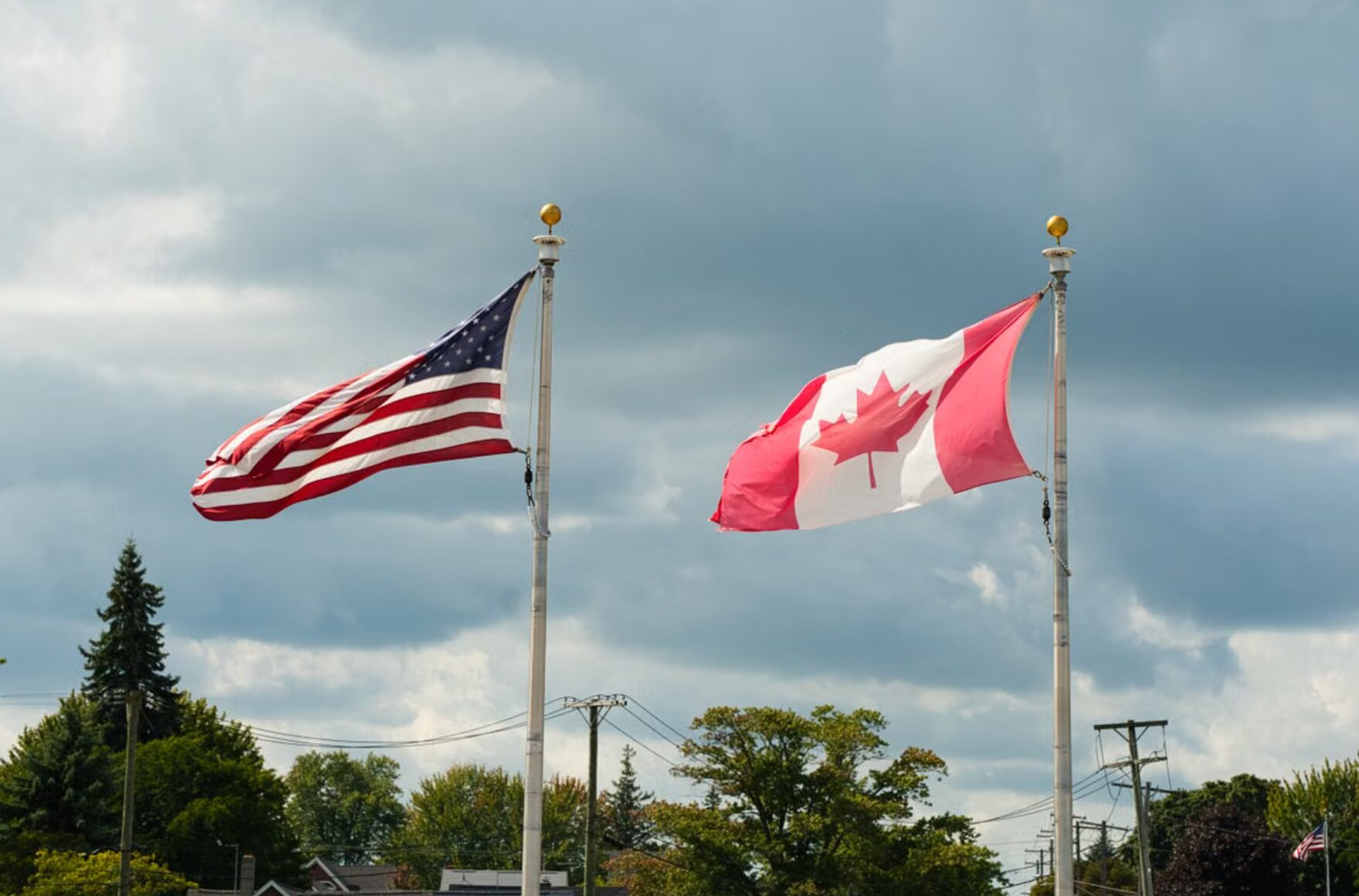
Living in Canada often feels like sitting in the back row of an incredibly loud, intensely dramatic American theatre. We watch the spectacle unfold on the screen, feeling the reverberations of the explosions and the emotional weight of the dialogue, sometimes forgetting that we are mere spectators rather than the cast.
For decades, the defining characteristic of the Canadian identity has been a smug, quiet assertion: we are just like Americans, but slightly nicer and with a better healthcare system.
This passive self-definition is a profound cultural failure. We are suffocating under the immense weight of American cultural hegemony, outsourcing our political discourse and media representation to a neighbour that rarely, if ever, looks north. If Canada is to mature as a sovereign, self-actualized nation, we must sever this deep psychological dependency and cultivate an identity that is fiercely and authentically our own.
The erosion of a distinct Canadian consciousness begins with the screen. From prime-time television and blockbuster cinema to algorithmic social media feeds, the media diet of the average Canadian is overwhelmingly American. We consume their late-night talk shows, binge their streaming monopolies and obsess over their celebrity scandals as if they were occurring in our own backyards. Consequently, Canadian cultural touchstones are often relegated to niche status in their own country.
The structural reality of the entertainment industry means that when our creatives, writers and filmmakers achieve a modicum of success, they inevitably migrate south to Los Angeles or New York to seek validation and funding, leaving a massive void in our domestic storytelling.
While domestic institutions attempt to mandate Canadian content, these efforts frequently result in pale imitations of American procedural dramas or reality television formats rather than groundbreaking, distinctly Canadian narratives. By viewing ourselves predominantly through the lens of Hollywood, we erase the unique geographical, linguistic and cultural nuances of the Canadian experience, replacing them with a standardized, imported template. We often know more about the mythos of the American West than we do about the complex history of our own Prairies or the North.
This pervasive cultural saturation inevitably bleeds into our political arena, creating a bizarre phenomenon where Canadians are frequently more informed about the intricacies of the United States Senate than the machinations of their own Parliament Hill. It is entirely common to find Canadian voters who can easily name multiple American Supreme Court justices but cannot identify their own city councilors or local Member of Parliament.
More dangerously, we actively import American culture war grievances — debates over Second Amendment-style gun rhetoric and hyper-partisan polarization — that have little to no historical or legal relevance in the Canadian context.
During recent domestic protests, it became alarmingly common to hear Canadian citizens cite First Amendment rights or constitutional amendments that simply do not exist north of the 49th parallel, seemingly unaware that the Canadian Charter of Rights and Freedoms actually govern their lives.
Our politicians, recognizing the potency of this imported outrage, opportunistically adopt American political tactics. They reduce complex, uniquely national issues like indigenous relations, housing supply, resource extraction and federal-provincial jurisdiction to bite-sized, Americanized talking points designed for viral social media clips.
We find ourselves fighting phantom battles drawn directly from the chyrons of American cable news networks, leaving our actual, pressing domestic crises critically unexamined. When our political theatre merely mimics the polarization of Washington, we lose the capacity to govern ourselves according to our own national needs.
For far too long, the Canadian response to this overwhelming influence has been a defensive nationalism built entirely on negative space. We define ourselves not by what we are, but by what we are not. We pride ourselves on not being as aggressive, not being as deeply fractured and not lacking a universal social safety net. But being “not American” is an observation, not a culture.
A national identity built entirely on comparison is inherently fragile because it still relies entirely on the United States as the baseline for its very existence. When a nation’s primary cultural export is a quiet superiority complex regarding its southern neighbour, it reveals a profound lack of internal substance. We cannot build a compelling, resilient national narrative out of mere proximity and contrast.
Forging a genuine Canadian identity requires active, deliberate cultivation. It requires embracing the uncomfortable, complex realities of our own geography, history and social fabric. A true Canadian culture must centre on the ongoing, difficult process of Indigenous reconciliation, drawing upon the deep, original narratives of the land rather than overlaying them with imported colonial myths.
It must amplify the vibrant, polyphonic voices of our immigrant communities, not as a melting pot meant to assimilate into a dominant Anglo-American norm, but as a mosaic that genuinely shares power and influence. We must invest heavily in our regional distinctiveness — the pragmatism of the Prairies, the maritime resilience of the East Coast, the unique francophone sovereignty and artistic engine of Quebec and the isolated beauty of the North.
Breaking the magnetic pull of American culture will require Canadians to consciously turn their gaze inward. We must demand a political discourse that addresses the realities of Ottawa, the provinces and our municipalities, rather than chasing the ghosts of Washington.
We must intentionally fund, consume and celebrate art, journalism and entertainment that reflects our own streets, our own conflicts and our own triumphs. Canada is a vast, complicated and deeply fascinating country, possessing a wealth of untold stories and unexamined challenges.
It is past time we stop acting as a polite audience for the American drama and finally step confidently onto our own stage.