

If you stand alongside the Glenridge Bridge long enough, watching the massive freighters slowly navigate the Welland Canal, a very specific intrusive thought begins to creep into your mind. The water below looks cold, murky and incredibly inviting — not for a swim, but as a permanent resting place for the six-inch rectangle of glass currently burning a hole in your pocket.
As your phone buzzes with three new emails, a notification that your screen time is up by 20 per cent and an alert from an app that you do not even remember downloading, the fantasy takes hold. What if you just took it out, reeled your arm back, and chucked it into the water?
There is a growing, collective yearning among our generation to completely and unapologetically drop off the digital grid.
We are the demographic that grew up straddling the analog and digital divide, and we are currently suffering from a terminal case of algorithmic exhaustion.
Our brains were not designed to consume a never-ending barrage of global crises, highly curated highlight reels of our peers’ lives and hyper-targeted advertisements for air fryers all before we have even had our morning coffee.
The “infinite scroll” has become a psychological trap. We open our phones to check the weather, and suddenly we are violently surfacing from a forty-five-minute trance on a TikTok side-quest about medieval agricultural practices. We are connected to everything, all the time, and it is entirely exhausting.
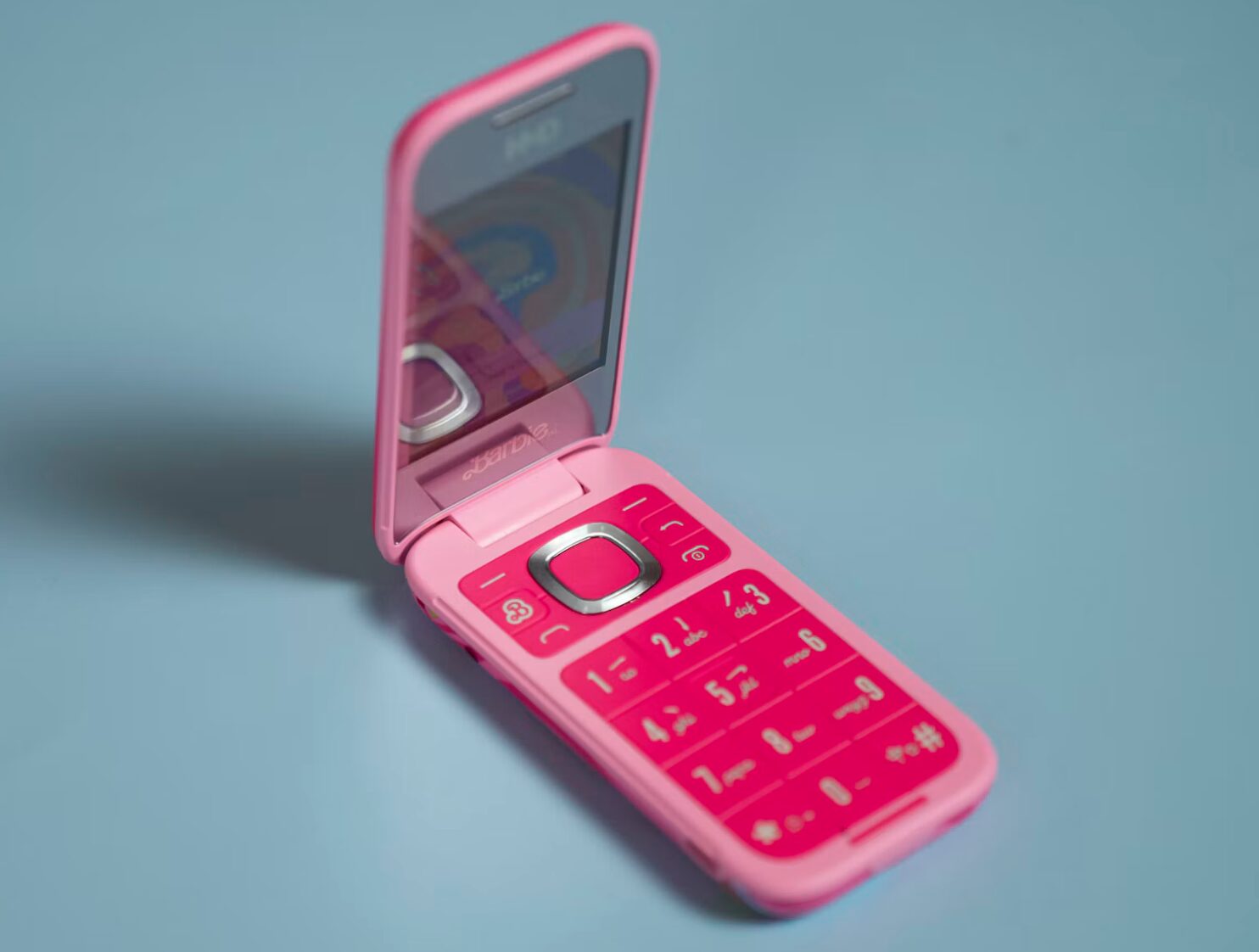
This widespread digital fatigue has given rise to the ultimate modern fantasy: the return of the 2005 Motorola Razr.
Picture it. A sleek, unnecessarily metallic, hot-pink flip phone. It does not have facial recognition, it cannot track your heart rate and it definitely cannot show you a targeted ad based on a conversation you just had in your living room. It has exactly three functions: making phone calls, taking wildly pixelated photos and playing Snake.
There is a deep, romanticized appeal to the limitations of early-2000s technology. Texting back then required genuine effort. Because you had to aggressively mash the keypad three times just to type the letter “C,” you only sent messages that actually mattered. You couldn’t leave people on “read” with a read receipt and nobody expected you to reply to an email while you were waiting for the bus.
Best of all, the flip phone offered a physical, tactile experience that the modern smartphone entirely lacks. There was no greater power move than ending a frustrating phone call by aggressively snapping the phone shut. Tapping a smooth glass screen with a slightly damp thumb simply does not carry the same emotional weight.
Of course, the tragedy of this beautiful, off-the-grid fantasy is that modern society has made it practically impossible to execute. We are held hostage by convenience and institutional infrastructure.
You cannot dramatically toss your iPhone into the canal because you need it to scan the QR code to read the menu at a downtown restaurant. You cannot downgrade to a flip phone because Brock University’s Duo Mobile two-factor authentication will quite literally lock you out of your own degree if you cannot confirm your identity on a smart device.
We are trapped by digital boarding passes, banking apps and the fact that without Google Maps, most of us would get hopelessly lost trying to find our way around.
We are painfully aware that we cannot actually go back. The algorithms are too deeply embedded in our daily routines, and the convenience of having the entire sum of human knowledge in our pockets is too great a luxury to abandon.
But the fantasy remains a necessary coping mechanism. When the notifications become too loud and the doom–scrolling begins to melt our prefrontal cortexes, we close our eyes and dream of simpler times. We dream of polyphonic ringtones, battery lives that lasted a week, and the profound peace of being entirely unreachable.
And until society eventually collapses or we all collectively agree to revert to carrier pigeons, I will continue to walk over the canal, eye the dark water and wonder: what if?