

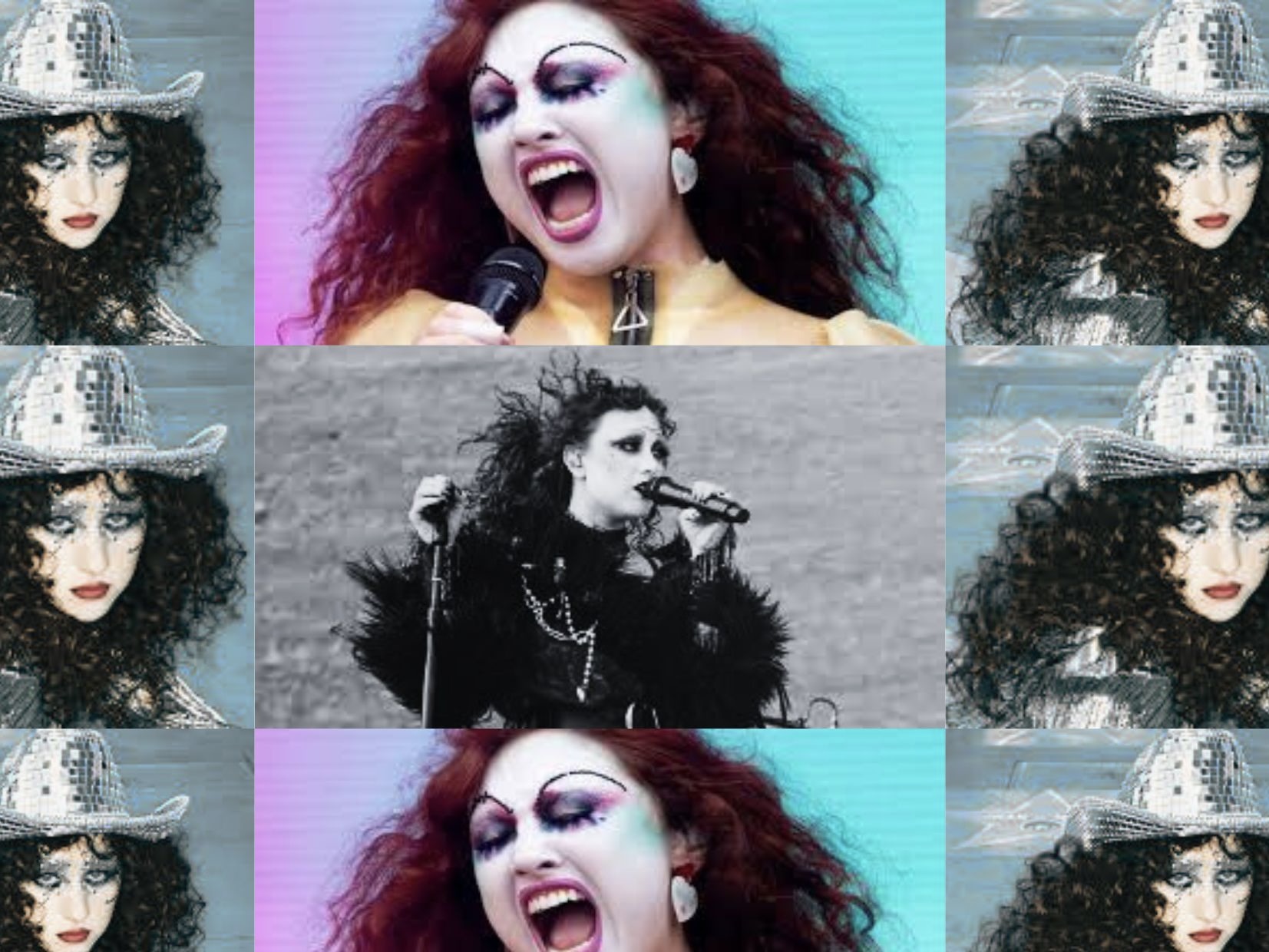
Chappell Roan makes a lot of good points on the unacceptable treatment of celebrities by their fans. However, if she can’t handle basic fan behaviour, she shouldn’t have entered an industry that actively encourages it.
After years of releasing music, Roan hit the media spotlight earlier this year and her career shows no signs of slowing down. With an aesthetic style inspired by drag queens and music often described as “campy,” Roan has cemented herself as a modern-day LGBTQ+ icon and an important pop figure.
It’s worth mentioning that her music really is impressively catchy. It’s unfortunate, then, that her explosive fame would lead to consequences that Roan seemingly can’t handle.
In a TikTok posted on Sept. 19, Roan described her unpleasant experiences dealing with fans in real life:
“If you saw a random woman on the street, would you yell at her from the car window? Would you harass her in public? Would you go up to a random lady and say, ‘can I get a photo with you?’ And she’s like, ‘no, what the f—?’ And then you get mad at this random lady? Would you be offended if she says no to your time because she has her own time? Would you — would you stalk her family? Would you follow her around? Would you try to dissect her life and bully her online? This is a lady you don’t know. And she doesn’t know you at all. Would you assume that she’s a good person; assume she’s a bad person? Would you assume everything you read about her online is true? I’m a random bitch. You’re a random bitch. Just think about that for a second, okay?”
First things first, it’s important to draw a very important distinction between what is “normal fan behaviour” and what is genuine harassment or abuse.
When it comes to stalking celebrities, following them around, touching them without consent or reaching out to their families, Roan is absolutely correct: that type of behaviour is highly inappropriate no matter who you’re dealing with or how many followers they have online. No one deserves to be treated that way, and that includes celebrities.
The issue with Roan’s statement is that she groups in fans who ask for photos with others that stalk her family. Whether she likes it or not, there is a notable distinction, and the former falls under the umbrella of typical fan behaviour.
Perhaps the most glaring flaw in Roan’s argument is that she, too, is a “random bitch.” Unfortunately for her, when she enters the music industry and builds her career on holding the spotlight in front of tens of millions of admirers — especially when a central facet of her public identity revolves around the nuance of the LGBTQ+ community — she is absolutely not a “random bitch” to her followers. She’s someone they look up to with respect, admiration and support.
Roan is right in the sense that her fans don’t know anything about her personally. It’s not hard to believe that there are some parts of her life she’d rather keep private, and she deserves every right to that privacy. However, to suggest that she is no different from any other random individual on the street is completely untrue. When you make a profound impact on the lives of others, it’s not unreasonable for them to want to take the opportunity to say hello if they see you in person.
Again, a lot of Roan’s points hold merit. She has every right to say no to a photo, just like she has every right to say no to a hug. Fans who get upset with her for this are selfish, disrespectful and intrusive, to say the least. Celebrities deserve personal space just like anyone else. However, the act of asking for a photo or a hug from someone who’s made a deep impact on your life or personal identity is completely reasonable, and Roan’s ‘what the f—?’ response suggests she might not have been fully prepared for the career path she aligned herself with.
It’s worth mentioning that Roan’s intense fame has rapidly ballooned, so she may need to take time to adjust to this sudden life change. However, by publicly insinuating that fans who have simply asked for a photo are somehow unreasonable, she’s directly insulted the very group of people that allowed her to reach viral success in the first place.
Roan further clarified her points in a follow-up video posted shortly after her original statement:
“I don’t care that abuse and harassment, stalking, whatever, is a normal thing to do to people who are famous, or a little famous. I don’t care that this crazy type of behaviour comes along with the job, the career field I’ve chosen. That does not make it okay. That doesn’t make it normal. Doesn’t mean that I want it; doesn’t mean that I like it.”
Roan says she doesn’t care, but unfortunately for her, this is of no consequence. The reality of the situation is that it doesn’t matter whether she cares or not; fans will continue approaching her seeking an interaction regardless of her feelings on the matter. While stalking and harassment are certainly forms of abuse, the other interaction she refers to — namely, fans approaching her and asking for a photo — is an example of basic fan behaviour, and that’s simply a normal part of being a celebrity. It’s something that is inadvertently accepted when someone willingly pursues stardom.
It’s understandable that Roan wants to have personal time where she doesn’t need to worry about greeting fans, but sadly, this is simply something you sacrifice when you become a celebrity. The fact that celebrities need to deal with paparazzi and nonstop fans isn’t exactly a secret, and it’s a risk anyone should be aware of before they pursue a life of fame.
This isn’t to say that the mental health of celebrities doesn’t matter, or that they aren’t deserving of support in this struggle. This point does not devalue the importance of free time, and ultimately, Roan’s frustrations are completely understandable.
But if this is a career path you’re choosing to follow, there are consequences you need to consider. It’s unfortunate that this is part of being a celebrity, but that’s just the way it is — whether you “care” or not.