

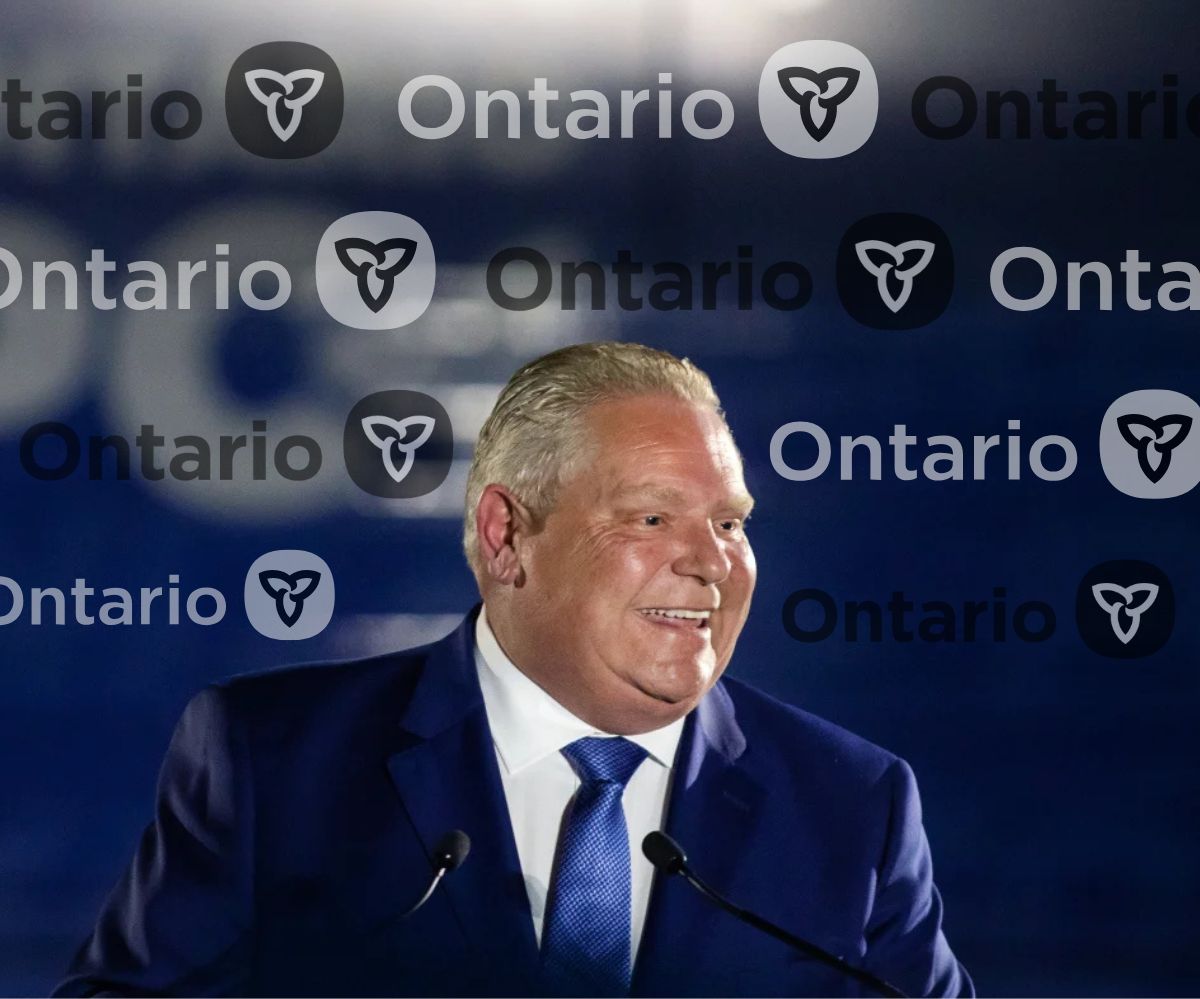
Campaigning has begun for the snap election called by Ontario Premier Doug Ford taking place in mere weeks.
At a news conference in Windsor on Jan. 29, Ford confirmed that the provincial snap election he triggered was to take place later this month. Although Ontario’s provincial election was not supposed to take place until June of 2026, Ford said that adequately fighting Trump’s tariff threats would require a strong and stable provincial government with long-term economic plans.
Ford continued, saying that he needed to call a snap election to be able to craft a “four-year mandate to do whatever it takes to protect Ontario” from the unpredictable state of the economy after Trump’s tariff threats.
The provincial candidates in this election are Doug Ford, representing the Progressive Conservatives; Bonnie Crombie, representing the Liberals; Marit Stiles, representing the New Democratic Party; and Mike Schreiner, representing the Green Party.
Liberal leader Bonnie Crombie criticized Ford’s decision to trigger an election. At a news conference at her campaign office in Mississauga, Crombie accused Ford of calling the election only because he is trying to “outrun an RCMP investigation,” referring to the RCMP’s investigation into Ford’s decision to open protected lands in the Greenbelt to a group of “rich developers,” according to City News.
Crombie continued by calling the “early and unnecessary” election a waste of $189 million that could have been put into Ontario’s healthcare system, or any other sector that could benefit the daily lives of Ontarians.
NDP leader Marit Stiles shared similar sentiments with reporters in Scarborough, saying that “a premier doesn’t quit his job when we’re being plunged into a crisis.”
“Donald Trump, he’s looking for weakness right now […] Doug Ford has put us in an unforgivable position,” said Stiles.
Mike Schreiner, leader of the Green Party, also had some criticisms for Ford’s decision to call an early election. In a news conference in Toronto, Schreiner said that candidates should not be preparing their campaigns in the wake of Trump’s threats to the Canadian economy, but instead “working across party lines to show Donald Trump strength through unity.”
Despite criticism from his running mates, Ford maintains that his decision to call an election was necessary to have a strong response to Trump’s threatened tariffs that could “devastate” Canada’s economy.
If you are 18 years of age or older, a Canadian citizen and a resident of Ontario, you can vote in the upcoming election. To register, you can visit the Elections Ontario Voter Registration website and click “get started” to begin the process online. If you are registering to vote for the first time or need to update your information, you will need to attach a piece of identification that lists your name and your Ontario home address, like a driver’s licence or health card.
The process can also be completed through mail or email, wherein you can photocopy an image of your identification to send with your package. A copy of these forms can also be found on the Voter Registration website. However, submitting your information via mail or email takes longer to process than going through the website. As the election is fast approaching, these forms need to be submitted as soon as possible.
If you have never registered to vote or need to update your personal information with Elections Ontario, you must do so by Feb. 17 to ensure you receive a voter information card in the mail. This card will outline your riding, your closest election office and the nearest polling stations to attend for both early voting and on election day. If you are planning to vote by mail, you must submit a vote by mail application before 6:00 p.m. on Feb. 21. It is important to note that once you submit this application, you will not be able to choose another voting option. After filling out your vote by mail kit, you may bring it to your local election office or return it via mail before Feb. 27.
More information about the voting process for the provincial election can be found on the Elections Ontario website.