

No matter how much society might normalize the digital-first lifestyle, it’s always acceptable to question how beneficial that way of life really is.
It’s become something of an expectation that anyone who hopes to thrive in the Western world will have a smartphone. From acts as simple as pulling up restaurant menus to actually ordering food from home, if you don’t have a smartphone, there’s a wide variety of things you simply won’t be able to do.
This expectation goes beyond basic daily tasks. We have reached a point where nearly every form of human-to-human contact is dependent on electronic communication.
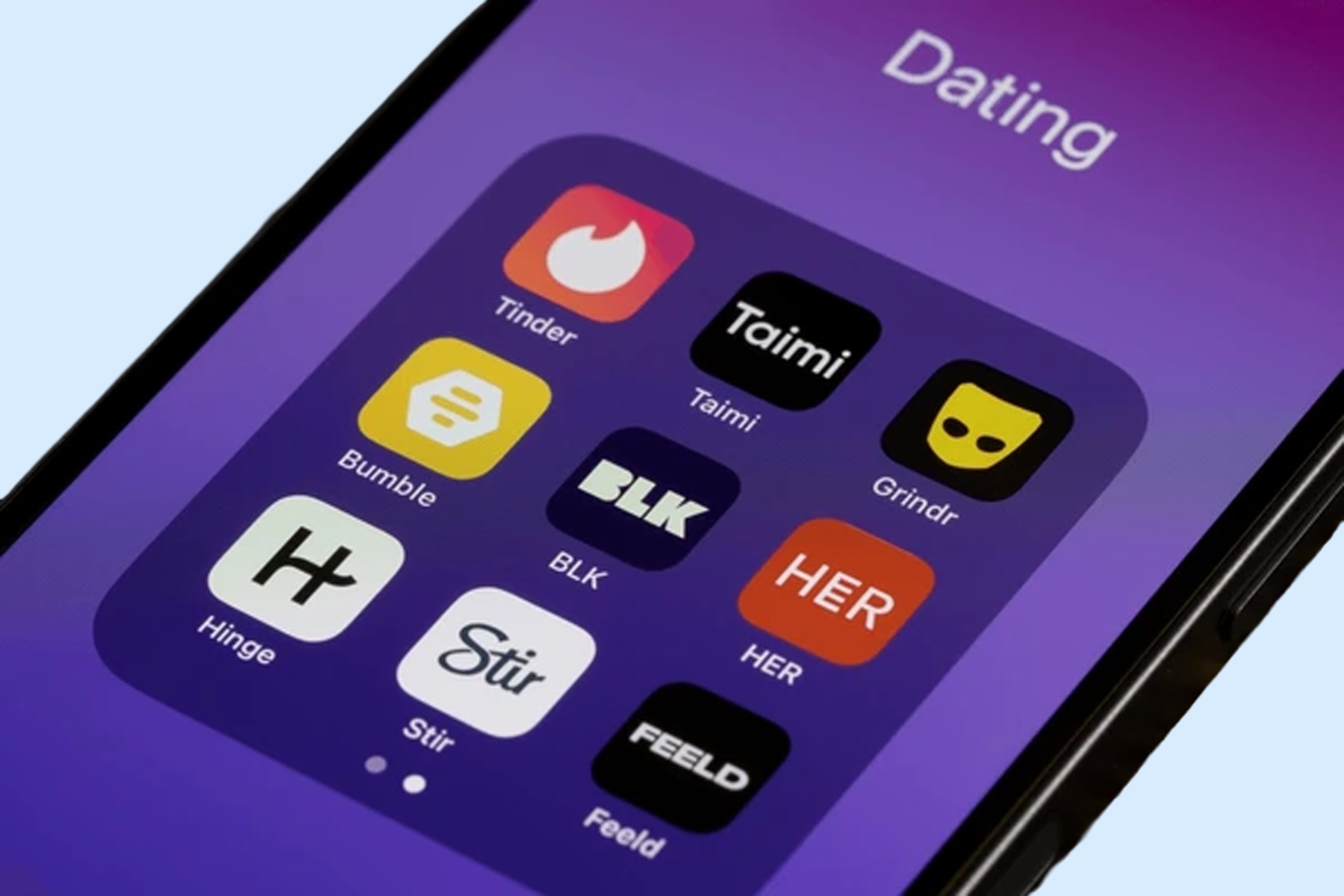
Dating apps, for example, are more than a convenient method for filtering potential romantic partners and simplifying the dating process. They are a microcosm for the digitalization of human contact and societal acceptance that technology deserves to command the way that we interact with one another.
If you’re in a committed romantic relationship, it’s more than likely that you met your partner through a dating app. A 2024 eHarmony survey found that approximately 20 per cent of Canadian relationships began on dating apps. This number is even higher for same-sex relationships, with a staggering 60 per cent having met through one of Cupid’s all-digital arrows.
I could go on and on about whether I believe that the popularity of dating apps is a net positive to society, but I’d just be repeating myself. Instead, I’d like to focus on what dating apps represent in terms of the larger picture — that is, a civilization so dependent on electronic communication that even the beginning stages of romance have gone digital.
It may seem strange to suggest that it’s dystopian for relationships to begin through social media considering the first modern dating site, kiss.com, launched three decades ago. Shouldn’t we all be used to it by now?
Questioning that acceptance, however, might reveal how strange dating apps really are, regardless of how long their ads have been plastered all over your favourite forums and social media pages. It goes without saying that humans are the only species in the animal kingdom who have normalized the requirement of an internet connection to begin searching for a partner. Even if these tools have been widespread for decades, is it not worth questioning why we’ve all come to accept them as the norm rather than something out of an episode of Black Mirror?
Of course, humans are far more neurologically advanced than any other species and therefore, it stands to reason that we would have different methods of completing basic tasks than other animals. However, there’s still something to be said about the gamification of romance, in which one scrolls through living, breathing human beings as if they’re videos on TikTok.
There is something strange about that, or at least something that should cause us to raise a communal eyebrow.
Just because a service has existed for a long time doesn’t mean we shouldn’t question it. The rise of generative A.I. is a fairly new societal obsession, and because it’s so fresh in our minds, many of us have questioned its benefits before it becomes more widespread. But even if generative A.I. becomes even more normalized over the next 20 years, that doesn’t change anything about its ethicality or risks to humanity. Even if fewer people are questioning something because of how long it has existed, that doesn’t mean it’s suddenly a better thing for us than it was 20 years prior.
To illustrate this point, look no further than 2wai, a new A.I.-based app created by former Disney Channel star Calum Worthy that has attracted major controversy. The app allows people to create A.I. replicas of loved ones to continue speaking for them after their real-life self passes away — a concept ripped straight out of the Black Mirror episode “Be Right Back.”
Hypothetically, if an app like 2wai normalized this concept in the distant future and everyone eventually speaks to A.I. recreations of their deceased relatives without batting an eye, would that make the idea any less harmful or disconcerting? Or, would it represent a world where people have simply been trained not to question the way that everyone engages with digital services?
I’d argue it’s the latter.
Seeking a partner is not the only primitive function that we turn to our phones for assistance with; acts as basic as finding food or shelter have become similarly gamified, with coupon codes across Uber Eats and Airbnb competing for our attention using bright colours and flashing timers. No matter what job you need done, you need not look further than the screen that’s in your pocket 24/7, ready to buzz with a notification in case you’ve dared go long enough without glancing at it.
There are varying statistics on how often the average person checks their phone every day, with surveys ranging from 58 daily glances all the way to 205. One thing that every statistic agrees on, though, is that smartphones have become a core facet of everyday life, and it doesn’t help that our reliance on our devices as our primary form of communication makes them pretty much inescapable.
Indeed, dating apps aren’t just a simple step toward convenience. They are a representation of the way even the simplest human necessities have become dictated by technology, and the way people are increasingly able to turn to their cell phone to solve any problem that they might be having.
With that said, I need to draw on an important point: none of this means that people who use dating apps — or any other app that has been mentioned so far — are “bad people.” I’ll be the first to admit that I used to have a pretty glaring addiction to Uber Eats and Amazon thanks to the unrivalled convenience offered by online delivery apps.
Simply put, there’s nothing intrinsically wrong with turning to your phone to help you solve problems or look for a romantic partner. In fact, it’s hard to blame anyone for heavy phone usage, especially as app developers work hard to make their products ever more convenient and appealing. It’s more so an interesting observation to wonder what has been lost in the process.
Even The Brock Press has fallen victim to the world’s preference of digital content. Over the COVID-19 pandemic, the Press abandoned its decades-old physical print in favour of becoming an all-digital publication. Yet, even as mandates started to lift and students started going back to school, our editors realized that remaining digital-first simply made the most sense in terms of reaching the highest number of people with our work, and despite the introduction of a bi-weekly limited print edition, we remain a primarily online publication to this day.
To suggest that anyone is at fault for taking advantage of online services would be undeniably hypocritical. Technology is the way of the future, and those who attempt to live a phone-free life will find that the world is simply not designed to fit that lifestyle. Restaurant menus are transforming into QR codes and some Airbnb doors can only be opened with a smartphone. There’s an expectation that if you hope to fully engage with the Western world, you’ll need a phone. There’s just no way around it.
The true culprit here is the variety of companies and business executives fighting to make the act of successfully existing increasingly dependent on technology. As we spend more and more time on our screens, they line their pockets thanks to the money we spend and the incessant advertisements they shove down our throats. The average person who uses these apps shouldn’t be held to blame for the digitalization of Western society; they’re simply adapting to a world that demands they conform to it.
Yet as our screen time increases, it’s hard to deny that we lose out on the face-to-face interaction and contact that is crucial to the longevity of any other species, and once defined the human experience too. Apps like FaceTime are incredibly convenient, sure; but it’s one less reason to leave your house and actually meet up with someone who’s special to you.
If you take away one thing from this article, let it be a personal challenge to meet up with someone close to you, not through a video call or headset, but in-person. Spend time speaking to that person without smartphones on the table. Lose yourself in conversation and remember what it’s like to genuinely spend a moment focusing on another person without a screen in sight.
It would be unfair to shame anyone who uses online programs to complete their day-to-day tasks. It is fair, however, to question why we are expected to rely on these services to flourish in the world we live in, and whether a digital-first world is really one that will benefit humanity the most — even if adapting to digital services has become completely expected of all of us.