

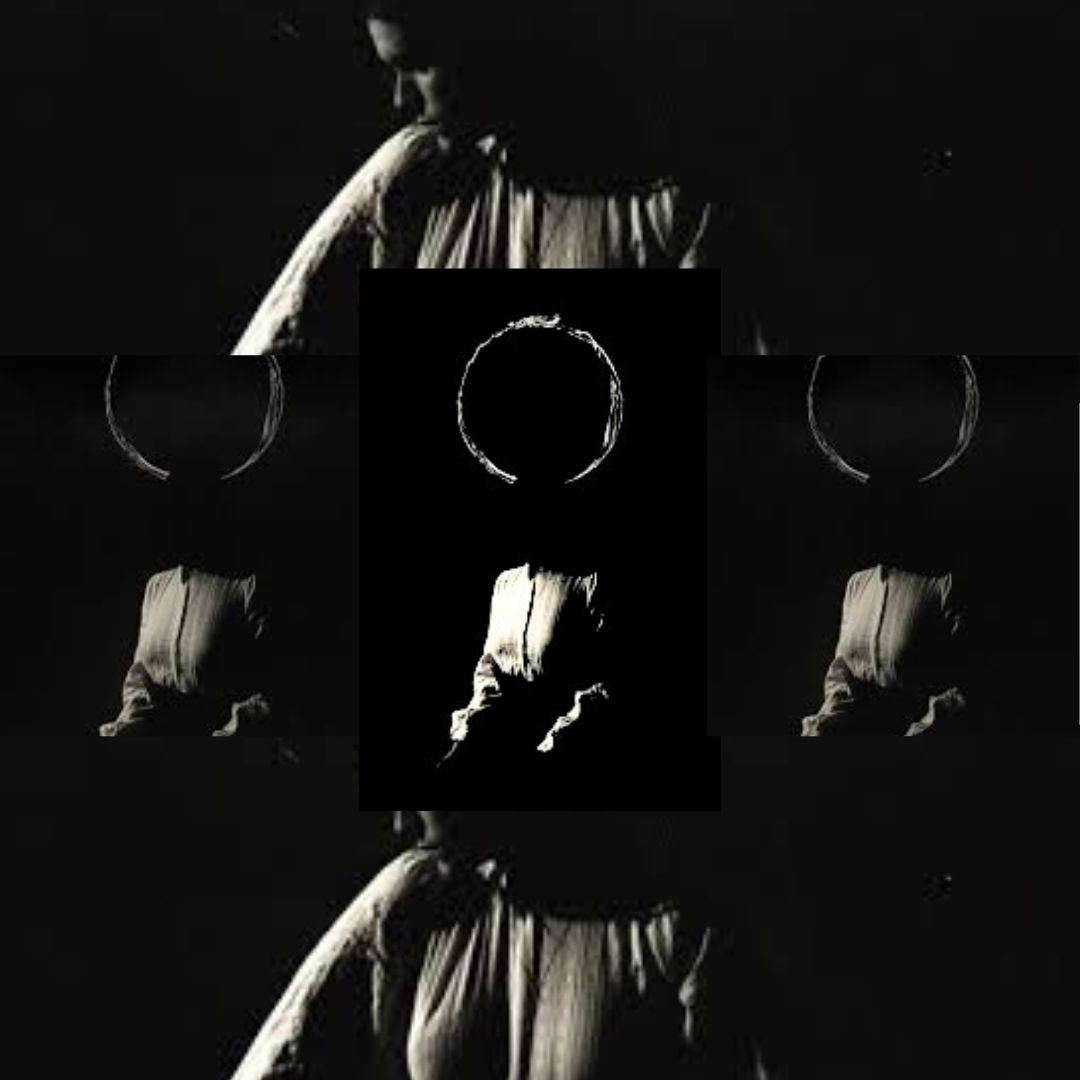
Florida-born singer-songwriter Hayden Silas Anhedönia, known by her stage name Ethel Cain, released the single “Punish” on Nov. 1 in promotion of her upcoming project Perverts, which is set to release in January.
Cain’s music is a fascinating intersection of American music genres and themes. She takes inspiration from slowcore bands like Duster and Midwest-emo bands like American Football, whom she paid tribute to on her cover of their song “For Sure”. She amalgamates her inspirations into something that feels both refreshing and familiar, with a complex storyline as a companion.
Numerous memes online have denoted her visual “aesthetic” and associations with traditional rural, religious American iconography as “very Ethical Caine Vinyl”.
Although this term may humorously apply to Cain’s visual artistry, which has helped define a new wave of Americana among Gen Z, her music hardly fits within such a meme-ified, narrow-minded perspective. Her debut album Preacher’s Daughter is a sprawling epic of a concept album that demands patience from its listener; the long, droning tracks are meant to be drowned in.
“Punish” asks the same thing from listeners as her previous work, though there are several qualities that show a shift towards new sonic ideas. Musically, it is distinctly more barren and cold than the occasional warmth felt in Preacher’s Daughter, but Cain’s narrative lyricism is still willing to explore religious themes.
The track opens with an eerie, wobbling synth that could be likened to a door creaking back and forth on rusty hinges. It has an uncanny vocal quality to it, creating a tense sense of questioning. Is this sound an instrument or a voice? What could cause a voice to make such a disturbing sound?
The melody introduces itself as a powerful piano chord, progressing into several other notes. Cain’s ghostly vocals introduce the narrator with the line, “Whatever’s wrong with me, I will take to bed.” The narrator feels something is wrong, or has perhaps committed wrongdoing, yet they will not live with the realization of this, preferring to swallow their guilt. It’s implied that their indignity comes from sexual perversion with the line, “Little death like lead, poisonous and heavy,” a translation of the Frencher metaphor “La petite mort.” The narrator’s source of pleasure hits them like a gunshot afterwards. Each moment of indulgence is followed by a rude awakening, yet this does not stop them from returning again and again.
The song’s chorus repeats the line, “I am punished by love.” Although the narrator’s perverse feelings are a cause for disgust and shame — a punishment — they still understand their desires to be a sign of love.
The nature of the narrator’s so-called “love” is confirmed by the line, “He was a natural Plauché, saying ‘You won’t forget this.’” This line is a direct reference to the case of Gary Plauché, a Louisiana man charged with murdering Jeffrey Doucet, who was responsible for kidnapping and molesting Plauché’s son. The narrator has rationalized their selfish lust as a symptom of love. The creaking, uneasy synth introduced in the opening raises its volume, its distorted cries more noticeable.
We’ve come to learn the narrator is not the hero of this story, they are despised for their heinous acts and are cast out by their community. Cain’s perspective explores the minds of wrongdoers, individuals swallowed by their own shame yet somehow still rationalizing their actions. Deep in their denial, the narrator thinks that “only God knows” their intentions and will judge them with what they believe to be fairness.
They assign themself the title of a “fallen angel,” cast out by heaven and unjustly treated, though in this rationalization, they inadvertently admit to their own devilish actions, coming to terms with the consequences. The song erupts into a distorted, droning guitar over the last chorus. The line of “being punished by love,” is perceived differently now. It is devoid of the gothic glamour of a tortured romance, mutated into a grotesque attempt at rationalization for the narrator’s vile acts. In a press release, Cain confirmed the track explores shame, and the limits people will go to avoid confronting it:
“I wonder how deep shame can run, and how unforgivable an act could be that I may still justify it in some bent way to make carrying it more bearable. Would I tell myself it’s not my fault and I couldn’t help myself? Would anyone truly believe that? Would I?”
Cain confirmed that Perverts is not a full-length narrative album akin to Preacher’s Daughter. Instead, it serves as an impressionistic exploration of the sounds that inspired Preacher’s Daughter. Cain has taken this approach before, slowly but intentionally presenting her ideas. She adopts a multimedia strategy on social media and her YouTube channel, uploading photos and videos to deepen the complexity of her artistic world.
Pensive and ghostly, “Punish” is a welcomed addition to Cain’s artistic chronicle. Every note feels intentional, not only to serve the song itself but to deepen Cain’s ethos and creative vision.