

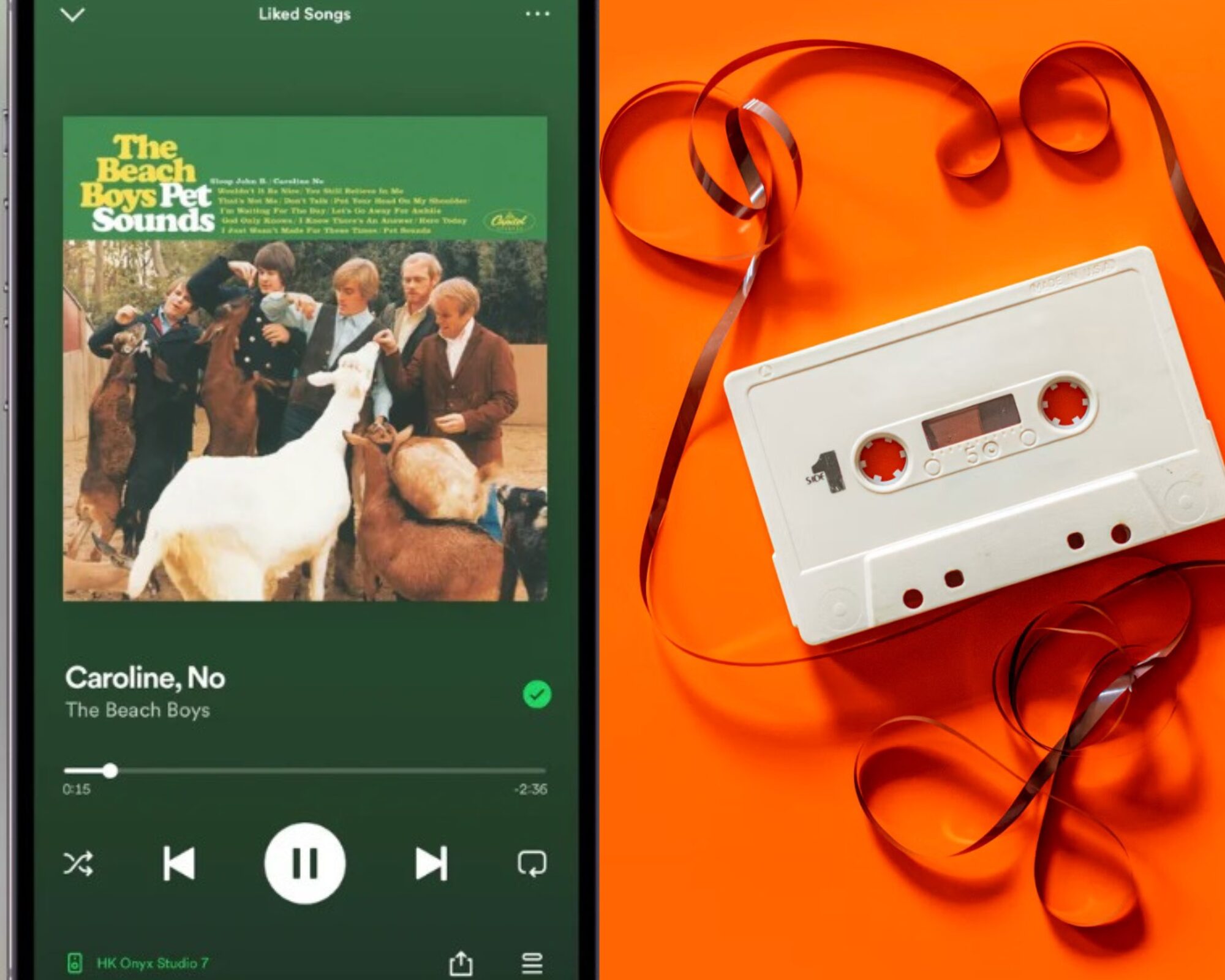
Picture this: You are sitting in a dimly lit room in 1971. The turntable needle drops onto the wax. For the next 23 minutes, you don’t touch your phone, you don’t check a notification and you don’t hit skip. Instead, you let Pink Floyd’s “Echoes” wash over you. You ride out the eerie, submarine-ping opening, drift through the quiet verses, survive a terrifying 15- minute storm of avant-garde noise and finally emerge on the other side.
It was a journey. And in the past, people actually took it.
Today, that kind of listening experience feels like an archaeological artifact. In an era dominated by TikTok snippets, playlist shuffling and the constant urge to drag the progress bar forward, the concept of a 10- minute rock epic sounds exhausting.
But the death of the “slow burn” isn’t just about changing music tastes. It is a mirror reflecting how our attention spans have been rewired, and how modern technology has trained us to demand instant gratification from art.
To understand what we lost, we must look back at the masters of the slow burn. Pink Floyd didn’t just write songs; they built sonic landscapes. Tracks like “Echoes,” “Shine On You Crazy Diamond” or “Dogs” were structured like symphonies or novels. They took their time. They gave instrumental passages minutes to breathe before a single word was sung.
When Pink Floyd released Dark Side of the Moon in 1973, they expected you to listen to it as a continuous piece. The songs bled into one another, demanding patience and focus. The reward wasn’t a quick three- minute dopamine hit; it was a deep, immersive emotional payoff. It was music that forced you to sit still and think.
Try telling a room full of college students today to sit through a 12-minute track with a four-minute instrumental intro. Chances are, half the room would pull out their phones before the vocals even started, wondering when the beat is going to drop or when the “good part” happens.
Why did we change?
Part of it is the evolution of the industry, but a much bigger part is the technology in our pockets.
Streaming services and short-form video platforms have fundamentally altered our brains. Algorithms reward efficiency. A modern pop or rock song has to grab your attention within the first five seconds — or risk being bypassed entirely by a thumb swipe.
Songs have gotten shorter over the last decade because artists know that shorter tracks mean more streams, and more streams mean survival in the algorithm.
In this ecosystem, a 10-minute progressive rock track is an economic and cognitive hazard. Why would a modern listener wait five minutes for a guitar solo when they can get a hook, a chorus and a drop in under two minutes?
We have traded patience for convenience. But in doing so, we have lost the art of the build-up.
A slow burn requires trust between the artist and the listener. When David Gilmour’s guitar finally cuts through the noise on Echoes, it feels earned because you sat through the dark, chaotic waters that came before it. It’s like reading a dense, complex novel; the climax only matters because you invested the time to understand the setup. When everything in our culture is fast, loud and compressed, we lose our tolerance for ambiguity, silence and patience.
This isn’t just about music either. It bleeds into how we consume news, how we study and how we talk to each other. If we can’t handle a 10-minute song, how are we supposed to sit through a complicated political debate, a heavy textbook chapter or a nuanced human problem that doesn’t fit into a tidy 20- second soundbite?
Wearing a vintage band shirt on campus is practically a uniform for Gen Z. We love the aesthetic of the 1970s counterculture — the cool artwork, the hazy mystique, the idea of being a rebel. But there is a quiet irony in streaming Comfortably Numb on shuffle while rapidly scrolling through a vertical feed of 30- second videos.
We love the clothes and the legacy, but we often lack the cultural patience that created the music in the first place.
We don’t need to throw away our smartphones or pretend that modern music has no value. But we do need to recognize what this constant rush is doing to our minds.
Next time you have a free evening, try an experiment. Put down your phone, turn off the notifications and put on a full side of a classic rock record.
Let the music take its time. Let it wander, get weird and test your patience. You might just remember what it feels like to slow down in a world that refuses to stop running.