

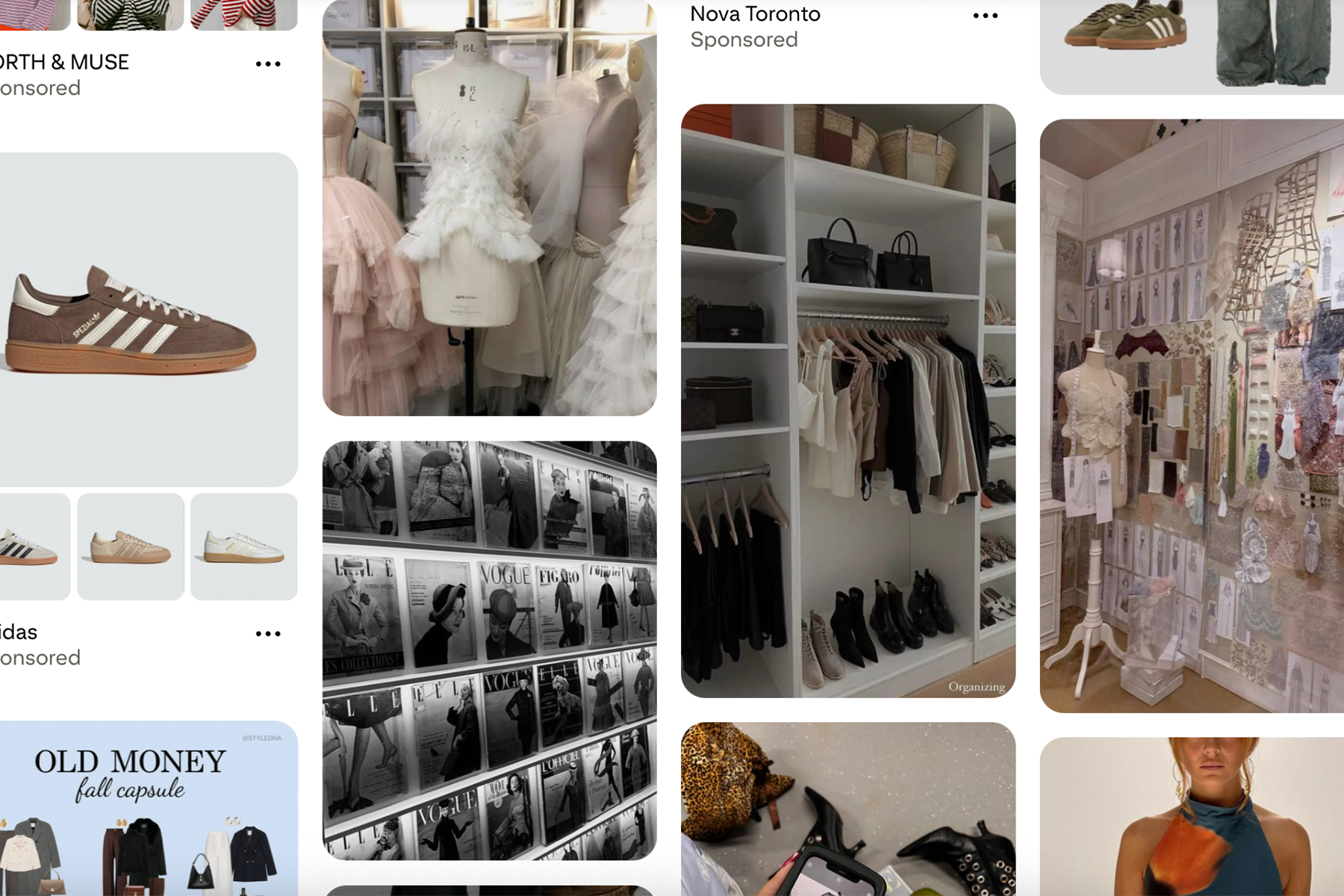
In the age of doomscrolling and rampant consumerism, identities are becoming increasingly centred around products and online aesthetics. Despite the fact that one’s identity can’t be boiled down to a “type,” your social media feed might try to convince you that, with the right products, you can try on pre-conceived identities until you find the right match.
Throughout life, our perceptions of ourselves develop and change as we move through different seasons. “Identity” is an abstract concept, as it can mean a variety of things for different individuals; it could be defined by someone’s interests, passions, disposition or career.
However, discussions surrounding identity online aren’t so abstract. In fact, social media has found a way to make one’s identity incredibly concrete, much to the benefit of advertisers across industries.
Every exam season, I notice that I have a sudden urge to “reinvent” myself — a habit that no doubt has deep roots in procrastination. It is appealing to know you could get a quick dopamine rush from changing your appearance, whether that be through a new hairstyle, piercing or wardrobe. But this urge doesn’t manifest out of the blue; in stressful times, I find myself more drawn to online content revolving around various visual aesthetics. Whether it is through the meticulous cultivation of a new Pinterest board, doomscrolling through a hashtag like “#hairtransformation” on TikTok or watching countless at-home hair colouring tutorials on YouTube, the internet is often where these pushes to reinvent oneself are born.
Judging from my social media feeds, I am not the only one who feels this urge, especially when procrastination hits.
From videos urging users that the TikTok coming across their page is their “sign” to conduct a big change to their appearance to ones poking fun at the impulsive habit to change one’s appearance the second they’re bored or stressed, self-reinvention content seems to be alive and well so long as creators are in need of a quick hit of anticipation and excitement.
As someone who used to change their appearance on a seemingly bi-monthly basis, I don’t think that this habit is entirely bad or destructive. Self-expression can come out in different forms, and how we present ourselves physically plays a major role in that.
However, these physical changes become problematic when online content categorizes various physical appearances with “types” of identities, laying out a selection of pre-packaged selves we can inhabit while they’re trendy and cool.
Take for example the “clean girl aesthetic.” Gaining popularity over the last few years, the “clean girl aesthetic” illustrates the image of a young woman often dressed in monochromatic outfits of white or beige, and sometimes pastel pink for fun. She is most often seen with long blonde hair, dressed in loungewear, seemingly wearing little makeup and engaging in a healthy activity. Whether she’s pre-yoga, journalling or hanging out in the produce section of a nice grocery store, every “clean girl” presents similar visual identity markers: she’s likely upper class, organized and a healthy lifestyle is her utmost priority.
The odd thing about online aesthetics like this one is the synthesis across her various representations and their lack of connection to the person she seems to be. For example, why are so many “clean girls” shown to be blonde and only dressed in light pastels, and what does having blonde hair and wearing pastel colours have anything to do with living a healthy lifestyle?
The “clean girl aesthetic” is just one of the many pre-packaged identities pushed in our faces online to deceive us into thinking that the way to accessing this peaceful, happy lifestyle is through consumption. All the “clean girl aesthetic” conveys to social media users is that if you want to become someone who has an organized, healthy life, you should direct all your focus to dying your hair blonde, shopping at Lululemon, resting in your Skims loungewear and going home to your apartment decorated with white and grey furniture.
Evidently, making these physical changes to your life won’t have a direct impact on your health, but they will line the pockets of the companies that you purchase these products from in the process, and impactfully so when looking at the costs of the items listed above.
When dissecting online aesthetics like the “clean girl,” their ridiculousness seems almost obvious, but they can be incredibly deceiving when they’re pushed into all our social media feeds constantly. Though I am sure that many social media users recognize that dying their hair won’t fundamentally change who they are as a person, it is undeniable that changing your outward appearance does alter how you’re perceived by others. Thus, adhering to the visual criteria outlined in the “clean girl aesthetic” may not inherently make you more organized, but the way it is advertised online conveys that people will perceive you as such.
Surface-level perceptions are the precise reason that manufactured identities thrive online. Nobody is perfect, aesthetically pleasing and at peace every second of their lives, but social media’s ability to concretize a single moment and give the illusion that it depicts a constant reality makes it seem like you can access the perfect identity through products and appearances.
However, the surface-level nature of these online aesthetics will ensure that your individuality will shine through eventually, and that should be something we embrace.
Amidst self-reinvention content and identity “types” endlessly swirling around online spheres, it is a good time to ask yourself who you are outside of products and visuals. When creativity is the task at hand, and not consumption, what are you drawn to?
We’re all human, and that can’t be condensed into product iconography. All the things that make up your selfhood don’t need to be bought; your identity is already available to you by virtue of your existence. Despite the fact that our identities are always changing, you know yourself far better than your social media feed does.