

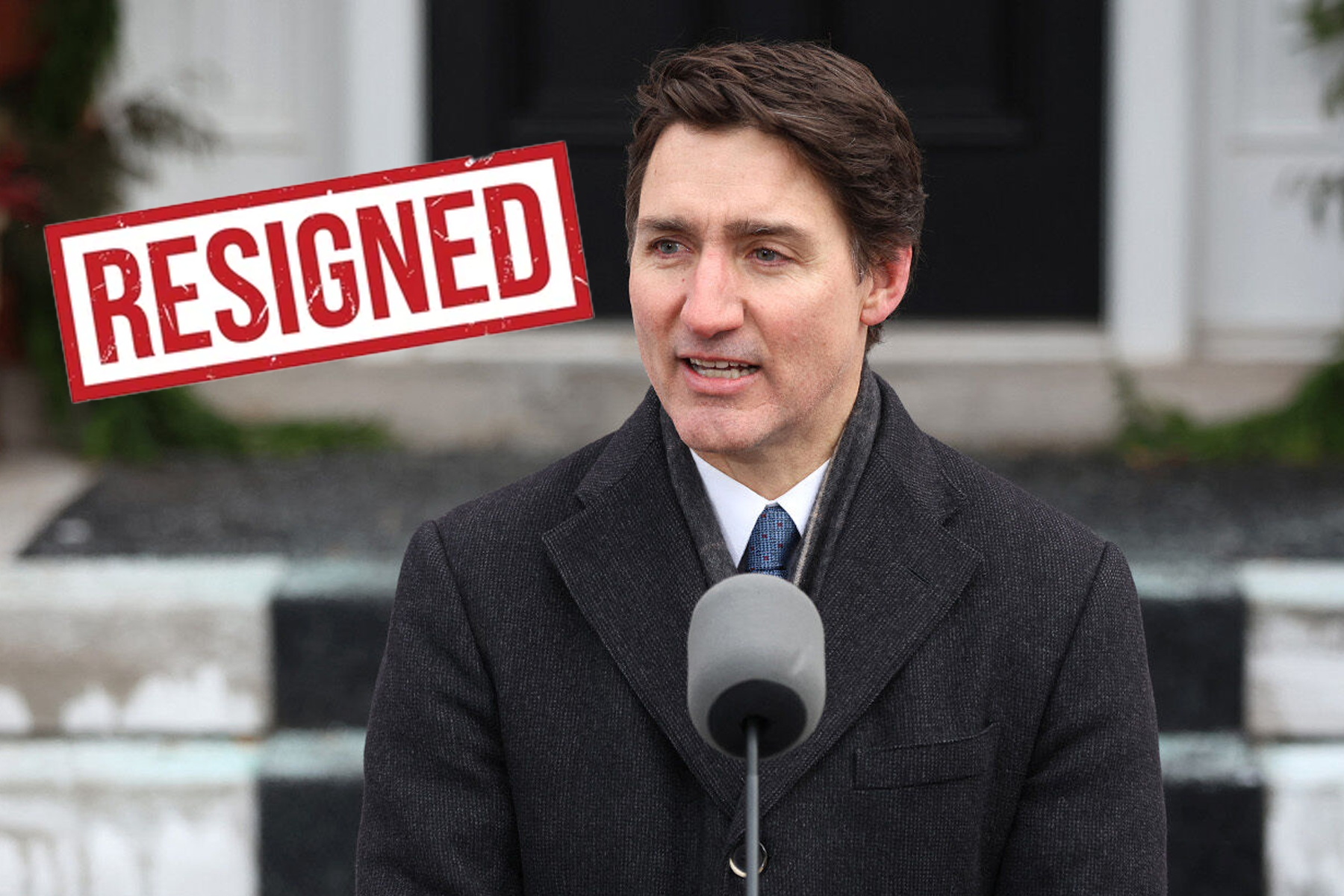
Trudeau’s plan to resign has left Parliament in a prorogation period while the Liberal Party searches for a new leader in advance of this year’s election, which may come as early as this spring.
On Jan. 6, Prime Minister Justin Trudeau held a news conference in Ottawa to announce his intention to resign as leader of the Liberal Party and Canada’s prime minister.
Trudeau began his conference by reflecting on the Liberal Party’s accomplishments during their rule of Parliament over the past nine years, referencing efforts to fight for the middle class, support Canadians through the COVID-19 pandemic, work towards reconciliation, strengthen free trade, stand alongside Ukraine, protect the environment from climate change and solidify the economy.
Trudeau went on to explain that Parliament “has been paralyzed for months,” calling for a new session of Parliament after Canada’s longest session in a minority government.
With this justification, Governor General Mary Simon approved Trudeau’s decision to begin a prorogation of Parliament until March 24, meaning that Parliament’s current session will be terminated and will essentially remain paused until the new session begins.
Alongside his decision to prorogue Parliament, Trudeau said that his reflection led him to the conclusion that he “cannot be the one to carry the Liberal standard into the next election” as he promised to resign as both leader of the Liberal Party and Prime Minister once his replacement is chosen.
During the question portion of the news conference, Trudeau said that another Liberal leader will be “absolutely” capable of succeeding over opposing politician Pierre Poilievre of the Conservative Party of Canada.
“We need an ambitious, optimistic view of the future, and Pierre Poilievre is not offering that, and I look forward to the fight as progressives across this country stand up for the kind of vision for a better country that Canadians have always carried,” said Trudeau.
Since Parliament cannot progress while prorogued, the end of March is the earliest an election can be held. Although Canada’s election is not supposed to occur until October, the opposition parties have asserted their respective plans to call for an early election while sharing their thoughts on Trudeau’s decision.
Poilievre posted a video on social media following Trudeau’s conference alleging that members of the Liberal Party are only attempting to oust Trudeau because “he is no longer popular enough to win an election and keep them in power” and called for an election as soon as possible.
New Democratic Party leader Jagmeet Singh also shared opinions on Trudeau’s resignation at a news conference following Trudeau’s announcement. Singh said that both Trudeau and Poilievre are threats to Canadians and called Trudeau’s decision to prorogue Parliament “completely wrong.”
Although the search for a new Liberal leader has just begun, many have begun to speculate about which candidates will run for the title. At the time of writing, economist and former Bank of Canada Governor Mark Carney, Nova Scotia MP Jaime Battiste, Ottawa MP Chandra Arya and Montreal MP Frank Baylis confirmed their intent to run.
The $350,000 entrance fee and short campaigning time discouraged several other contenders from running, according to CTV News.
However, those who do intend to run must declare so by Jan. 23 to provide ample time to campaign before the vote occurs on March 9.
Trudeau’s full news conference can be found on the CPAC website.