
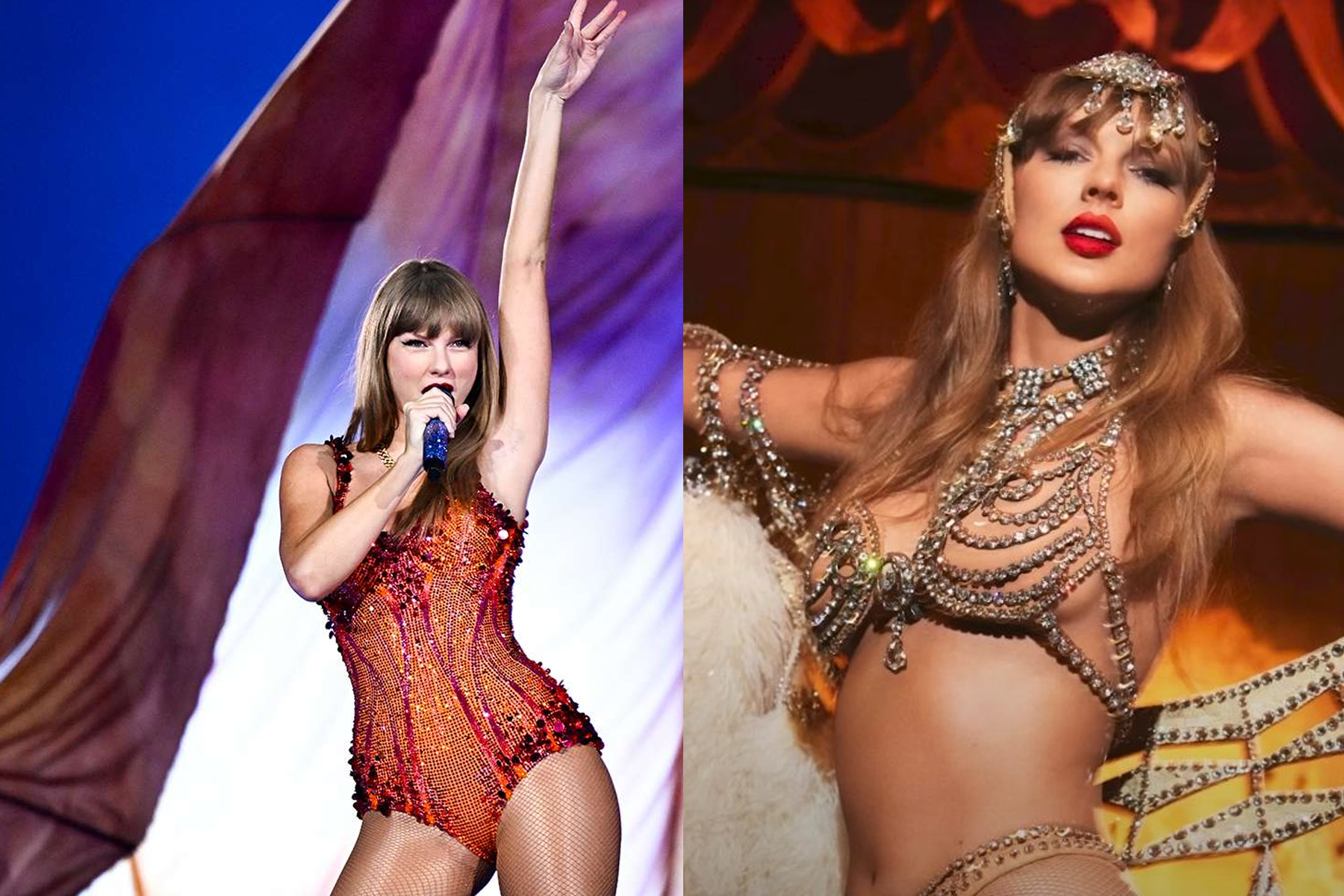
Taylor Swift is once again promoting huge amounts of consumerism with the release of the various vinyl and CD variants of her album The Life of a Showgirl.
Like all the other Swifties in the world, I was very excited about the release of Taylor Swift’s newest record on Oct. 3. Unfortunately, I have since lost respect for the singer following her non-stop release of merchandise.
Prior to the album’s release, the billionaire dropped eight varying vinyl record colours of The Life of a Showgirl. Although this is arguably an unnecessarily large variety, it is a tactic that is not entirely unusual for artists these days. With the release of a new record, certain musicians have created a trend that involves dropping a handful of “limited edition” vinyl. While there is nothing truly limited about these items as they are sold in mass-produced quantities, this language has created an over-consumption culture amongst fans who are fearful of missing out. Buyers feel that by not purchasing the vinyl, which they have been told will only be around for a short while, they are missing out on something large and important. While Taylor Swift may not have been the first person to do this, her contribution to this trend has become the most ostentatious.
My problem with it began when the singer released her tenth album, Midnights. Alongside the regular release of merchandise, Swift dropped four different coloured vinyl variants of the album. While fans initially didn’t think much of this, it was the vinyl’s packaging that caused mass sales. On the back of the record’s cover, there was a section of a clock. If one had each of the four variants, they could create the entire clock, and with the help of some shelving that could also be purchased on Swift’s website, fans could display the clock on their wall. Fans of the singer didn’t want to miss out on this opportunity and each variant from the initial drop sold out incredibly quickly. While each of these variants was labelled as “limited edition,” they are still for sale on Swift’s website now, more than three years later. This felt incredibly gimmicky to me then and the feeling has only gotten worse since.
Following the release of vinyl came the release of CDs, each with one new acoustic version of a song from the album. The CDs, just like the vinyl, were labelled as limited edition, causing a wave of mass consumerism as fans clamoured to get each CD variant so they could hear the special version of their favourite tracks before they sold out. Overall, 18 different versions of The Life of a Showgirl CDs have been released, contributing greatly to the over 5.5 million album units sold in the first week of the record being dropped.
In total, 27 different physical iterations have been released, including the 18 CDs, eight vinyl LPs and one cassette. This doesn’t include the seven download variants that have also dropped.
When it came to The Life of a Showgirl, I initially agreed that the drops, which felt near constant, were a little bit of overkill. With some work, I was able to remedy my concerns by convincing myself that the release of such a large amount of vinyl and CDs was to make sure every Swift fan had the opportunity to get a physical copy of the record. I have since changed my mind.
With Swift, it feels like non-stop consumerism. There are many things I love about the singer, but it is clear that she didn’t become a billionaire by accident. She acts surprised by the overwhelming number of album sales, but it seems to me that the release of multiple CD and vinyl variants was a very calculated decision to get her to the top. It feels manipulative and uncomfortable coming from someone who claims to only think of her fans’ best interests.
While there is no denying that I love Taylor Swift, this recent move has caused me to put some distance between me and the para-social relationship I share with her. In a world where mass consumption is a massive issue, Swift is leading a trend that will end in her being consumerism’s final boss. It is a terrible sight, indeed.